


























Hungarian oil group MOL said on 22nd April 2026 that Ukraine had informed it that deliveries of Russian crude had resumed through the Druzhba pipeline. According to sources, pumping operations restarted at 5:35 a.m. ET.
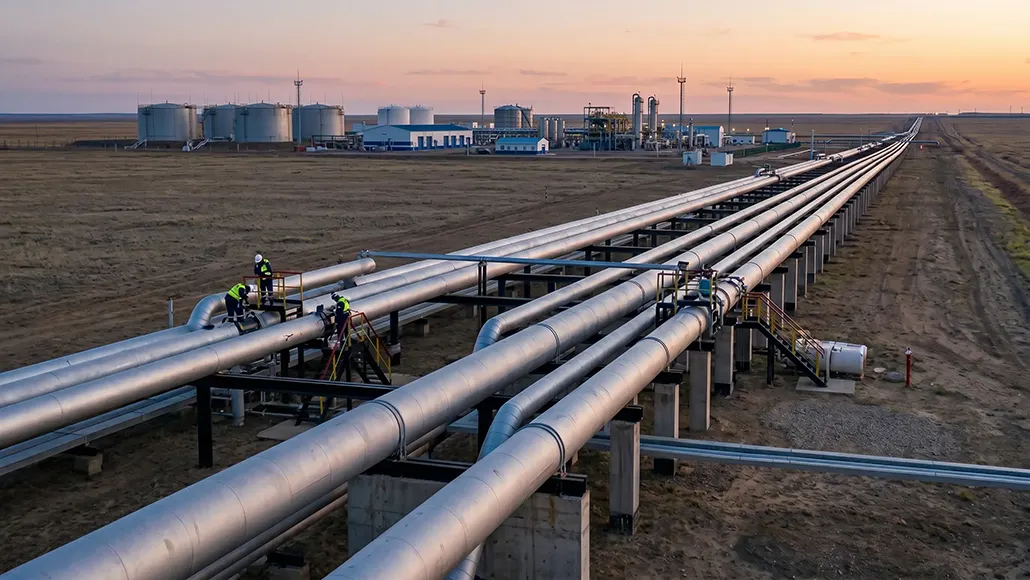
The Druzhba pipeline has emerged as one of Europe’s most politically sensitive energy corridors following a Russian drone strike that damaged infrastructure in western Ukraine, halting Russian oil supplies to Hungary and Slovakia. The disruption underscored the strategic importance of the Druzhba pipeline for regional energy security.
Developments around the Druzhba pipeline coincided with political progress in Brussels, where EU ambassadors approved a financial package intended to support Ukraine. The EU had agreed to the loan last year to maintain Ukraine’s liquidity through 2026 and 2027, but approval had been delayed after Hungary’s Prime Minister Viktor Orban and the Slovak government blocked it. Both governments accused Ukraine of slowing repairs to the pipeline, an allegation Kyiv denied. Hungary and Slovakia remain heavily dependent on Russian oil, and Orban has consistently shown support for Russia, making the Druzhba pipeline a focal point in broader geopolitical tensions.
The situation shifted after Hungary’s parliamentary election on 12th April 2026, when Viktor Orban lost power. The leader of the winning party, Peter Magyar, has said he will no longer block the EU funds for Kyiv, though he is only expected to take power next month. Meanwhile, the Druzhba pipeline retains significant capacity, ranging from 1.2 million to 1.4 million barrels of oil a day, with potential to increase to 2 million barrels. However, actual flows have dropped sharply due to Western sanctions and repeated disruptions linked to drone attacks, limiting its operational output.
Separately, Germany confirmed that no Kazakh crude would be delivered to its PCK Schwedt refinery from May 2026. This follows reports from industry sources that Russia was preparing to halt Kazakhstan’s oil exports via the Druzhba pipeline, adding another layer of uncertainty to an already strained supply route. The developments highlight the continuing volatility surrounding the Druzhba pipeline and its role in Europe’s evolving energy landscape.
