









The landscape of energy logistics is undergoing a profound transformation as global volatility and shifting trade patterns redefine the requirements for operational continuity. For decades, the oil and gas industry prioritized cost optimization and just-in-time delivery models. However, the events of recent years have shifted the focus toward a more durable and flexible approach. Oil & Gas Advancement observes that companies are no longer asking how they can find the cheapest supplier, but how they can ensure that critical components arrive at the wellhead or refinery regardless of geopolitical tension or environmental disruptions.
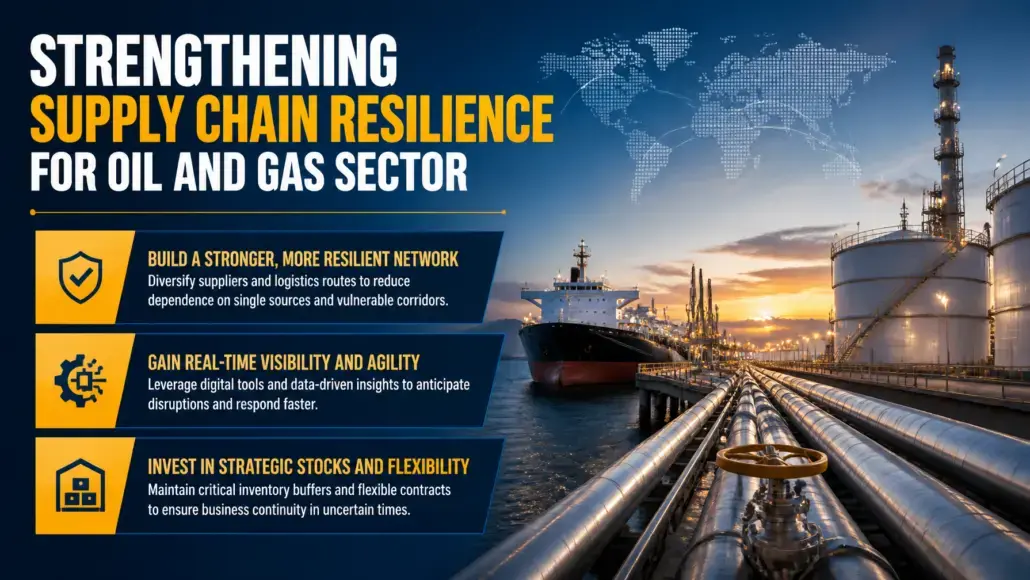
Building true oil and gas supply chain resilience requires a move away from rigid, linear structures toward dynamic ecosystems. This shift is particularly evident in the way operators are diversifying their supplier bases. By spreading risk across multiple geographies and providers, companies can avoid the catastrophic bottlenecks that occur when a single region experiences a crisis. This strategy is not just about geography. It also involves diversifying the types of suppliers, including smaller, more agile firms that can pivot faster than traditional giants.
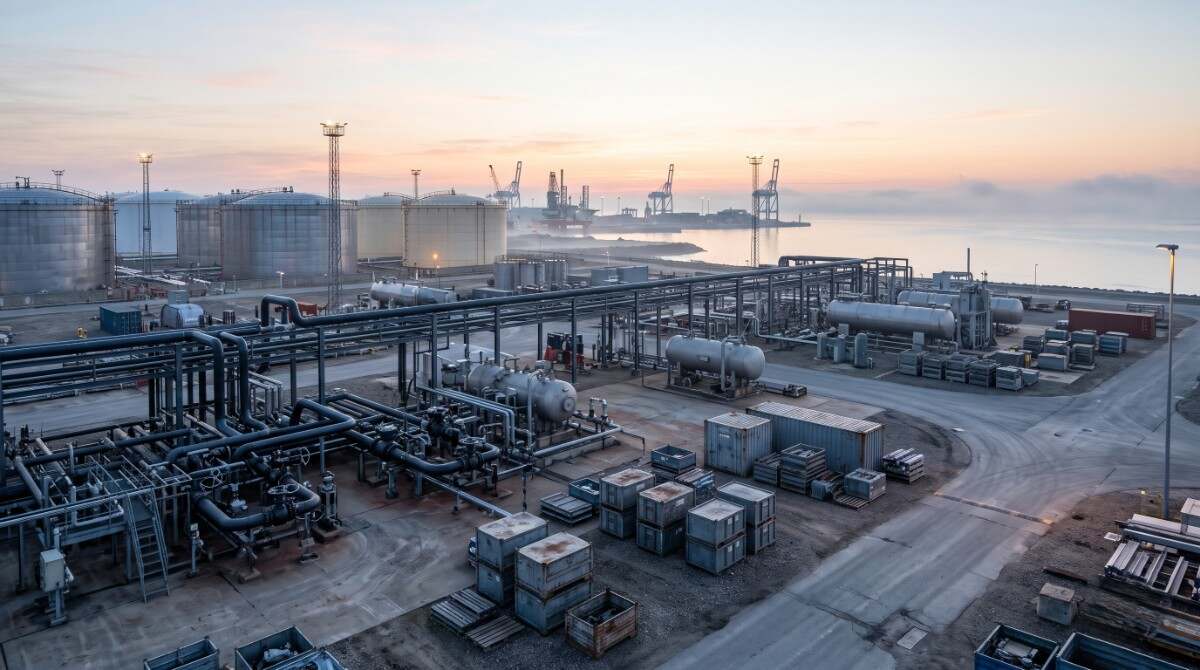
The role of regional hubs has gained significant prominence in the current scenario of supply chain resilience. Instead of relying on a handful of global manufacturing centers, many companies are establishing localized supply centers closer to their primary areas of operation. This trend is clearly visible in the Middle East, where major national oil companies are investing heavily in local industrial ecosystems. These programs are designed to reduce lead times and create a buffer against international shipping delays that have plagued the industry in the recent past.
The Impact of Shifting Market Dynamics
Recent data from the International Energy Agency indicates that global oil demand is expected to fluctuate significantly through 2026. In its March 2026 report, the agency noted that while demand remains substantial, the pressure to maintain lean and responsive operations has never been higher. This market uncertainty forces companies to adopt resilience strategies that can scale up or down quickly. The volatility is not limited to demand alone. Supply chains are also being stressed by the rapid expansion of renewable energy projects, which often compete for the same raw materials and logistical assets as traditional oil and gas operations.
One of the most effective ways to manage this uncertainty is through better visibility:
- Supply chain mapping: Operators use advanced analytics to gain full visibility across primary, secondary, and tertiary suppliers.
- Early failure detection: Deep visibility allows procurement teams to spot potential disruptions before they impact operations.
- Rapid contingency response: If a low-tier supplier experiences delays, operators immediately trace the ripple effect and deploy alternative sources.
- Shift to proactive logistics: Real-time disruption tracking is replacing traditional, reactive logistics models.
Strategic stockpiling is also making a comeback, though in a more intelligent form:
- Shift from broad inventory: Companies prioritize critical, long-lead components over large volumes of general stock.
- Targeting single points of failure: Focus centers on parts whose absence would trigger severe operational downtime.
- Strategic buffer reserves: Stockpiling essential components protects ongoing production during short-term supply disruptions.
- Capital efficiency with resilience: The strategy prevents costly downtime while minimizing working capital tied up in excess inventory.
Digital Integration and Real-Time Monitoring
The integration of digital tools is a cornerstone of modern resilience. Major technology firms like SLB and Baker Hughes have reported significant growth in their digital and automation sectors, with combined revenues in these areas exceeding four billion dollars recently. This investment is being channeled into platforms that provide real-time tracking of assets across the globe. When a shipment is delayed at a port or a manufacturing facility, the system automatically alerts the relevant teams, allowing for immediate intervention.
SLB OneSubsea has demonstrated the power of integrated digital strategies through its recent project wins. In March 2026, the company secured a major engineering, procurement, and construction contract for a deep-water project offshore Malaysia for PTTEP. This project highlights the importance of having a robust supply chain capable of delivering complex equipment to remote locations. The ability to manage such a diverse and geographically spread operation requires a high degree of digital coordination and a resilient network of partners.
As companies look to the future, the focus is increasingly on the digital twin of the supply chain. This is a virtual model that allows planners to run various what-if scenarios. They can simulate the impact of a closed shipping lane, a sudden surge in material costs, or a strike at a major port. By testing their resilience in a virtual environment, companies can develop more robust contingency plans that are ready for immediate implementation when a real crisis arrives.
Strengthening Regional Partnerships and Localization
The push for localization is perhaps the most visible strategy in the current era. National oil companies are leading the way by requiring their international partners to manufacture more components within the countries where they operate. Saudi Aramco has been a frontrunner in this regard with its In-Kingdom Total Value Add program. By the start of 2025, the program reached a significant milestone of seventy percent local content. This initiative has not only strengthened the domestic industrial base but has also created a more resilient supply chain that is less dependent on global logistics.
Similarly, ADNOC in the United Arab Emirates continues to expand its In-Country Value program. The company is hosting major forums in late 2026 to further encourage local manufacturing and procurement. These initiatives are creating a new model for the industry where global expertise is combined with local production. For an operator, this means that critical equipment like drilling tools or subsea valves can be serviced or replaced much faster than if they had to be shipped from another continent.
This localized approach also addresses the growing importance of sustainability in the supply chain resilience. Shorter transport distances lead to lower carbon emissions, aligning with the broader industry goal of reaching net-zero operations. By sourcing locally, companies are simultaneously improving their resilience and their environmental performance. This dual benefit is making localization a top priority for boards and executive teams across the sector.
Collaborative Risk Management Frameworks
The complexity of modern oil and gas projects means that no single company can be resilient in isolation. There is a growing trend toward collaborative risk management, where operators and suppliers share data and insights to build a stronger collective system. This transparency helps to build trust and ensures that all parties are aligned on the potential risks and the strategies to mitigate them. Joint ventures and strategic partnerships are becoming more common as a way to share the burden of maintaining a resilient infrastructure.
BP recently awarded SLB OneSubsea a contract for subsea boosting equipment for the Tiber Project in the Gulf of Mexico in late 2025. This type of deep-water development requires a high level of technical collaboration and a supply chain that can handle extreme conditions. By working closely with a technology partner that has a globally resilient footprint, BP can ensure that its critical subsea assets are delivered and maintained regardless of market conditions.
Digital procurement platforms are also playing a vital role in connecting these collaborative networks. These platforms allow for a more efficient exchange of information between buyers and sellers, reducing the friction that often leads to delays. By streamlining the sourcing process, companies can respond more quickly to changes in the market. To understand how these systems are evolving, one should look at how digital procurement platforms transforming oilfield equipment sourcing are creating a more transparent and competitive marketplace.
The future of the oil and gas supply chain resilience lies in the balance between global reach and local depth. Companies that can successfully integrate advanced digital tools with a localized and diversified supplier base will be best positioned to navigate the challenges of the coming years. Resilience is no longer an optional add-on. It is a fundamental requirement for success in a world where the only constant is change. As the industry continues to evolve, Oil & Gas Advancement believes that the strategies developed today will form the foundation of a more stable and sustainable energy future.
References
- “Oil Market Report – March 2026” – IEA
- “Digital Oilfield Market Size And Share Report, 2026-2033” – Grand View Research
- “SLB OneSubsea wins PTTEP Sabah Oil EPC contract in Malaysia” – SLB
- “SLB OneSubsea Awarded Subsea Boosting Contract for bp’s Tiber Project” – SLB
- “iktva – In-Kingdom Total Value Add” – Saudi Aramco
- “ADNOC ICV Program Expands Growth Opportunities in UAE” – ADNOC
