









Evaluating volatility in Middle East petroleum markets has become a mandatory discipline for global energy firms, as the region continues to serve as the world’s most critical, yet frequently unstable, energy corridor. In 2026, the traditional drivers of market behavior, OPEC production quotas and regional geopolitical tensions, are being joined by new complexities, including the rapid maturation of Gulf energy trends toward economic diversification and the digitalization of physical oil trading. For market participants, achieving price stability requires more than just a passing knowledge of Brent or WTI. It demands a deep, real-time understanding of the micro-movements within the Gulf Cooperation Council (GCC) and the strategic maneuvers of the broader OPEC+ alliance. Oil & Gas Advancement notes that the ability to successfully manage risk in this environment is the cornerstone of operational longevity for any organization with significant exposure to the Middle Eastern oil flow.
The Paradox of Regional Stability and Global Uncertainty
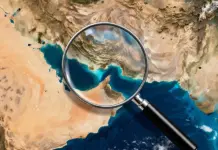
The current state of Middle Eastern petroleum markets is defined by a striking paradox: while regional governments are investing trillions of dollars into internal stability and economic transformation through initiatives like Saudi Arabia’s Vision 2030, the external environment remains fraught with uncertainty. Ongoing regional conflicts, the threat of maritime disruptions in the Strait of Hormuz, and the persistent shadow of international sanctions continue to trigger sudden oil price fluctuations that can catch even the most seasoned traders off guard. Navigating volatility in Middle East petroleum markets thus requires a strategy that balances the long-term structural resilience of the Gulf economies against the short-term shocks generated by geopolitical events.
This paradox is further complicated by the global shift toward decarbonization, which has forced Middle Eastern producers to rethink their market positioning. Instead of simply being the lender of last resort for global oil, nations in the region are increasingly acting as sophisticated market participants, launching their own trading hubs and benchmarks, such as the Murban crude futures on the ICE Futures Abu Dhabi (IFAD). This shift has increased the granularity of regional price shifts, providing traders with more opportunities for arbitrage but also requiring a much higher level of data intelligence to navigate successfully.
Deciphering the OPEC Impact on Market Equilibrium
The influence of OPEC, and by extension the OPEC+ alliance, remains the single most important factor in determining global oil price stability. As we move through 2026, the alliance’s strategy has shifted from emergency production cuts to a more nuanced market management approach, where supply is carefully modulated to match the evolving demand from emerging economies. The OPEC impact is felt not just in the headline production numbers, but in the psychological signaling that the group provides to the market. Traders must be able to read between the lines of ministerial statements and technical committee reports to anticipate the next shift in the group’s collective posture.
Effective navigation of this landscape involves monitoring the compliance levels of individual member states and the internal dynamics between the major producers, particularly Saudi Arabia, the UAE, and Russia. Any sign of discord within the alliance can lead to immediate market resilience being tested, as the fear of a return to uncoordinated production levels causes prices to plummet. Conversely, a strong show of unity can provide a floor for the market, offering a degree of predictability that is essential for long-term project planning and investment. Understanding these political nuances is as critical as understanding the geological constraints of the oilfields themselves.
Production Quotas and the Strategic Unwinding of Cuts
One of the primary challenges for traders in 2026 is predicting the timing and scale of the unwinding of production cuts. As the alliance seeks to regain market share from non-OPEC producers, the gradual reintroduction of millions of barrels per day into the global system must be managed with extreme precision to avoid a supply glut. Navigating volatility in Middle East petroleum markets requires a keen eye on the tapering schedules and the triggers that might cause the alliance to accelerate or pause its return to full capacity. This balance between market share and price support is a delicate tightrope walk that defines the current era of Gulf energy trends.
Furthermore, the rise of spare capacity within the Middle East acts as a critical buffer for the global energy system. The ability of Saudi Arabia and the UAE to ramp up production in response to a sudden outage elsewhere provides a degree of protection against extreme price spikes. However, the cost of maintaining this spare capacity is significant, and its management is a key tool in the OPEC impact arsenal. Risk managers must account for this invisible supply when constructing their hedging models, as the mere threat of a production surge can be enough to dampen speculative rallies and maintain a semblance of market order.
Strengthening Market Resilience Through Diversified Trading
In response to the persistent volatility of the Middle Eastern markets, firms are adopting more resilient trading strategies that move beyond simple directional bets on the price of crude. The use of multi-layered hedging programs, incorporating both financial derivatives and physical supply chain optimizations, allows organizations to protect their margins even in the face of sudden regional price shifts. For example, a trader might use a combination of ICE Brent futures, regional swaps, and freight derivatives to insulate themselves from a localized disruption in the Persian Gulf. This holistic approach to risk ensures that the firm’s capital is protected regardless of which way the wind blows in the Middle East.
Market resilience is also being bolstered by the growth of sophisticated energy trading ecosystems within the Middle East itself. The establishment of world-class trading houses in Dubai, Abu Dhabi, and Riyadh has brought a new level of liquidity and transparency to the regional markets. These hubs allow for the development of bespoke risk management solutions that are tailored to the unique characteristics of Middle Eastern crudes, such as their specific sulfur content and geographic proximity to Asian refining centers. By participating in these local markets, global firms can gain a deeper understanding of the physical flows that drive global prices, improving their overall ability to navigate volatility in Middle East petroleum markets.
Developing Robust Hedging and Risk Mitigation Frameworks
A robust hedging framework for Middle Eastern petroleum must account for the specific risks inherent in the region’s infrastructure and political climate. This includes basis risk, or the difference in price between the global benchmark and the specific grade of crude being traded. In the Middle East, these spreads can widen significantly during times of crisis, as buyers scramble to secure reliable supply from specific terminals. Trading strategies must incorporate regional basis swaps and location-specific options to protect against these localized price dislocations. By diversifying their exposure across different delivery points, firms can minimize the impact of a disruption at any single port or pipeline.
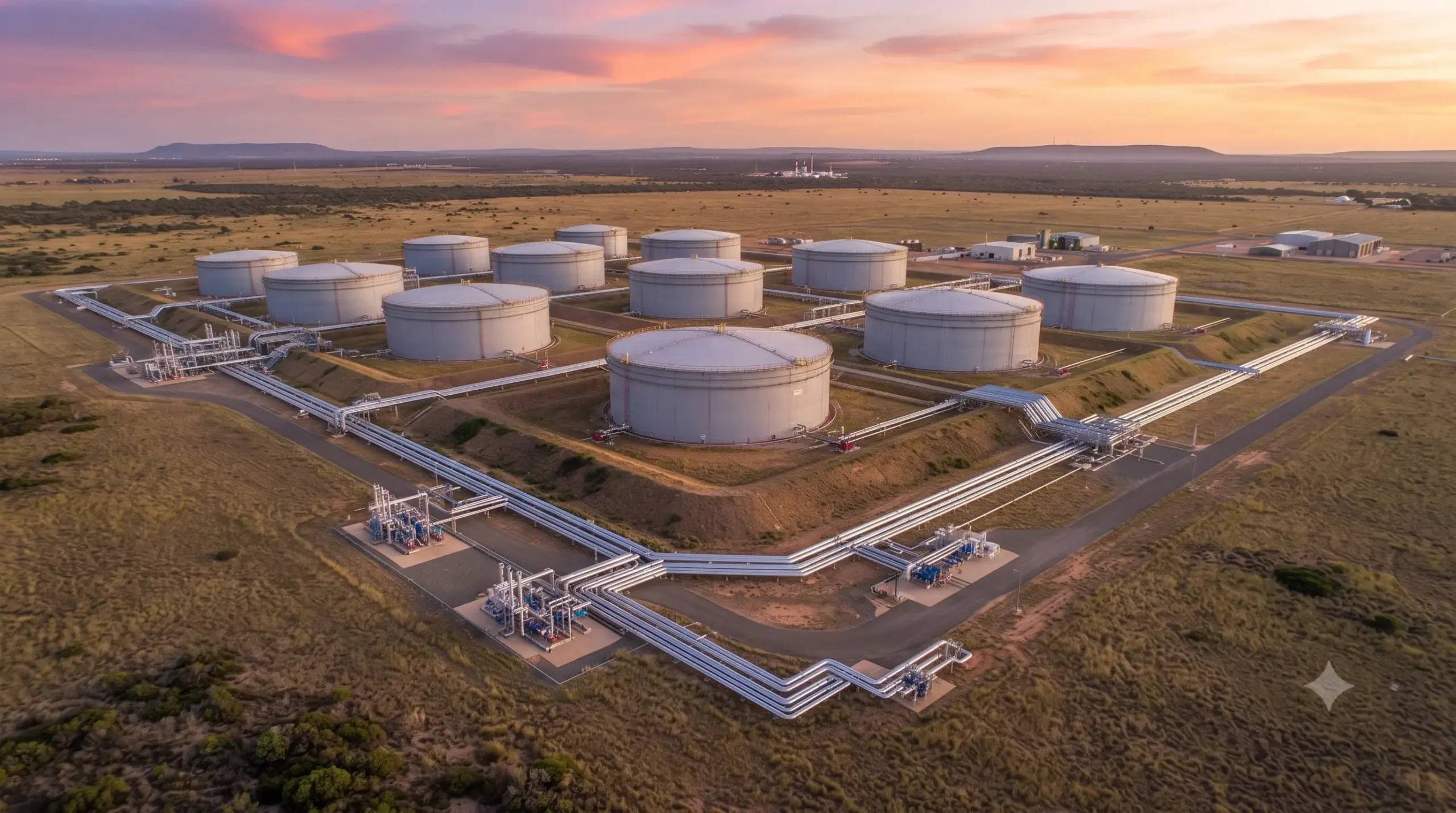
Furthermore, the integration of real-time intelligence into the risk management workflow is essential for staying ahead of market movements. This involves using advanced satellite imagery to monitor tanker traffic at key choke points like the Bab el-Mandeb and the Strait of Hormuz, as well as tracking the progress of major infrastructure projects throughout the region. By combining these physical observations with sophisticated financial modeling, risk managers can identify emerging threats before they are fully priced into the market. This proactive approach to navigating volatility in Middle East petroleum markets is what separates the leaders from the laggards in the competitive energy sector.
The Role of Real-Time Intelligence in Price Stability
Price stability is no longer a given in the energy markets; it is something that must be actively monitored and defended. Real-time intelligence platforms that aggregate news, social media, and physical data streams provide the early warning system that traders need to react to sudden developments. For instance, a report of a minor security incident at a regional refinery might seem insignificant in isolation, but when viewed through the lens of historical Gulf energy trends, it could be a signal of a larger, coordinated effort to disrupt supply. Having the tools to analyze these signals in real-time allows firms to adjust their positions and protect their assets before the broader market reacts.
Moreover, the use of predictive analytics allows for a more scientific approach to forecasting oil price fluctuations. By analyzing decades of historical data alongside current market conditions, these tools can assign probabilities to various outcomes, such as the likelihood of an OPEC production change or the potential duration of a regional conflict. While no model can predict the future with 100% accuracy, this data-driven approach provides a much more solid foundation for decision-making than mere intuition or gut feel. In the high-stakes world of Middle Eastern oil, the firm with the best information almost always wins.
Conclusion: Adapting to the New Reality of Middle East Energy
In conclusion, navigating volatility in Middle East petroleum markets requires a sophisticated blend of geopolitical insight, technical expertise, and technological prowess. As the region continues to evolve, the firms that succeed will be those that can adapt to the shifting dynamics of the OPEC impact, the maturation of Gulf energy trends, and the increasing digitalization of the trade. By investing in robust hedging strategies and real-time intelligence, organizations can not only survive the periodic shocks of the Middle Eastern market but can use that volatility as a source of competitive advantage. The future of global energy remains inextricably linked to the sands of the Middle East, and those who master the art of navigating its turbulence will be the architects of the next era of energy prosperity.
The road ahead will undoubtedly be characterized by new challenges, from the complexities of the energy transition to the emergence of new regional competitors. However, the fundamental importance of the Middle East in the global petroleum landscape ensures that it will remain the center of the trading world for decades to come. Oil & Gas Advancement believes that by maintaining a focus on market resilience and strategic diversification, firms can ensure that they are well-positioned to capitalize on the opportunities that arise in this dynamic and vital region. Navigating volatility in Middle East petroleum markets is not just a challenge to be overcome. It is the very essence of the modern energy trade.
