











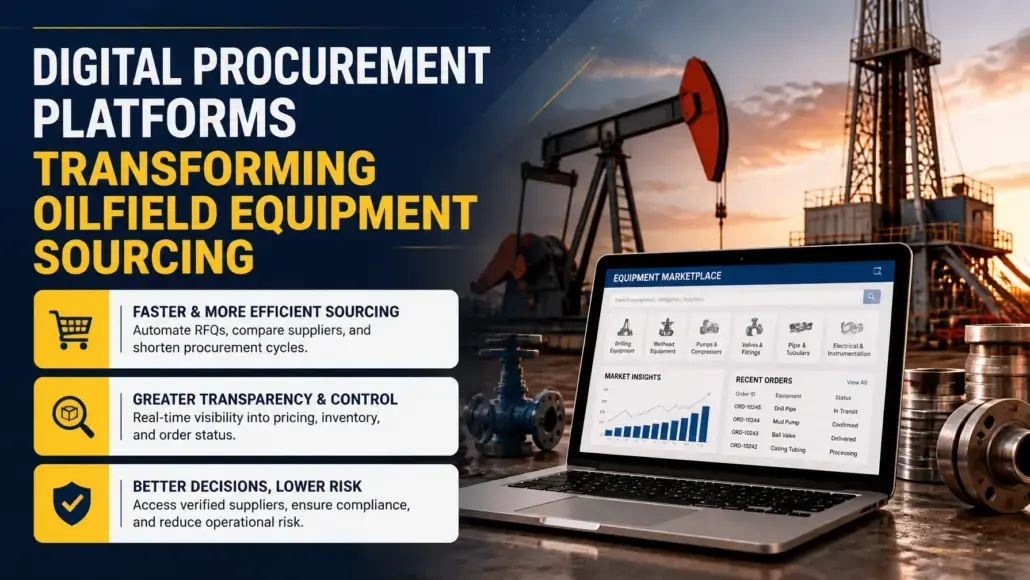
The modernization of oilfield operations is no longer confined to the drill bit or the offshore platform. It is increasingly happening within the digital interfaces where billions of dollars in equipment and services are traded every year. For decades, procurement in the energy sector was a manual, fragmented process characterized by vast spreadsheets and lengthy phone calls. Today, the industry is witnessing a shift toward sophisticated digital procurement platforms that offer unprecedented visibility and efficiency. Oil & Gas Advancement notes that this transition is essential as companies face tighter margins and the need for greater transparency in their sourcing activities.
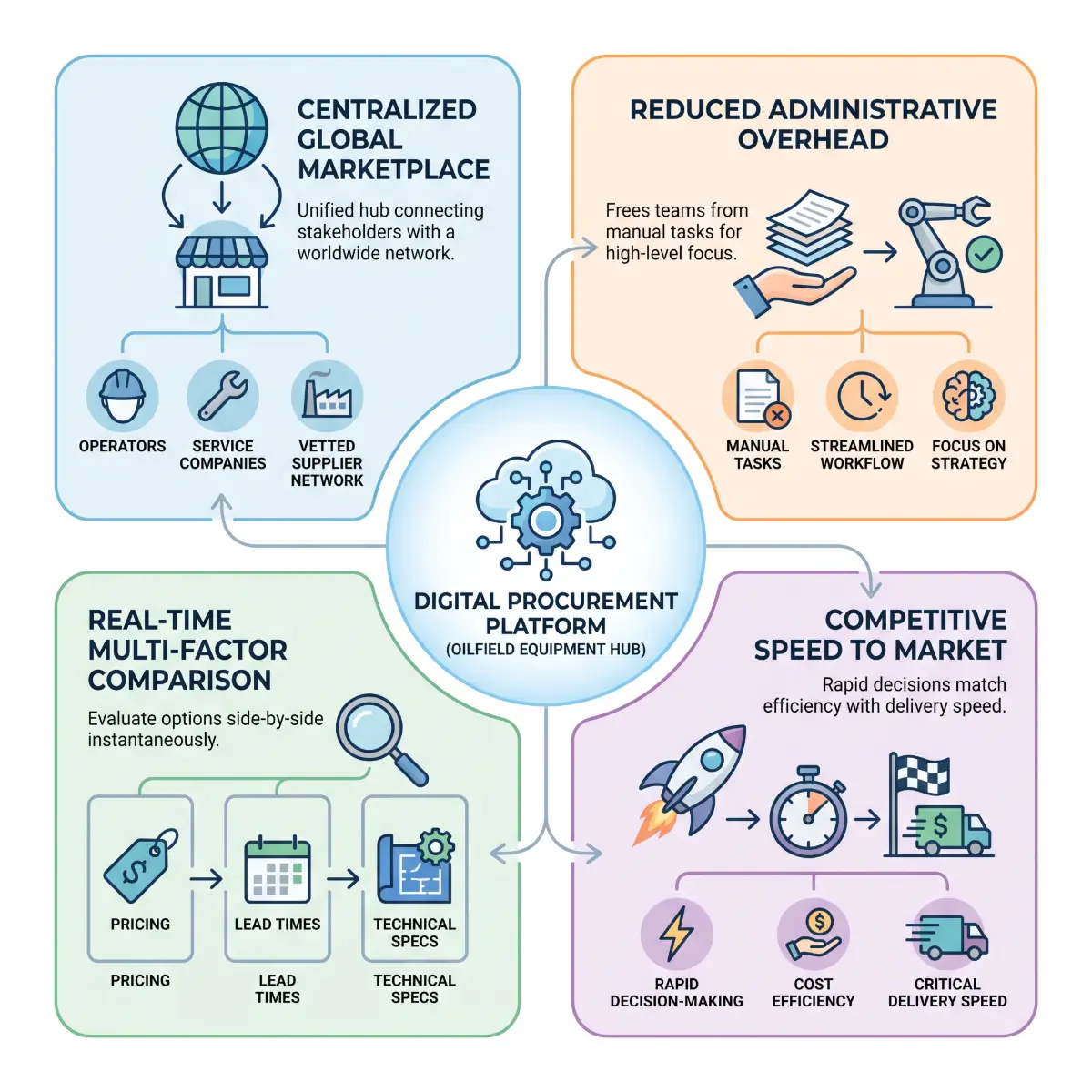
Digital procurement platforms for oilfield equipment are central to this evolution:
- Centralized global marketplace: Platforms provide a unified hub connecting operators and service companies with a vetted worldwide supplier network.
- Reduced administrative overhead: Streamlining the sourcing workflow frees procurement teams from manual tasks so they can focus on high-level strategy.
- Real-time multi-factor comparison: Teams can evaluate pricing, lead times, and technical specifications side by side instantaneously.
- Competitive speed to market: Rapid decision-making capabilities match cost efficiency with critical delivery speed.
The surge in digital investment is reflected in the financial performance of major industry players. SLB, Halliburton, and Baker Hughes have all reported a massive uptick in revenue from their digital and automation divisions. In 2024, these companies collectively booked over four billion dollars in digital-related revenue, a trend that has accelerated through 2025 and into 2026. This capital is being used to build and refine the very platforms that are now becoming the standard for oilfield sourcing. For many operators, adopting these tools is no longer a luxury but a fundamental requirement for remaining competitive.
Enhancing Transparency and Compliance in Sourcing
One of the primary drivers behind the adoption of digital platforms is the need for enhanced transparency. In a traditional procurement model, it was often difficult to track the origin of a component or verify the compliance credentials of a distant supplier. Digital systems solve this by creating a permanent, auditable record of every transaction. This level of traceability is vital for meeting the stringent environmental and safety regulations that now govern the oil and gas industry.
Recent advancements in these platforms allow for the integration of sustainability metrics directly into the sourcing process. Procurement managers can now evaluate suppliers based on their carbon footprint, waste management practices, and social responsibility scores. This shift is particularly important as investors and regulators put more pressure on energy companies to demonstrate a commitment to ESG principles. By using digital platforms, companies can easily identify and prioritize suppliers that align with their corporate sustainability goals.
The automation of compliance checks is another significant benefit. These platforms can automatically verify that a supplier holds the necessary certifications and insurance before they are allowed to bid on a contract. This reduces the risk of human error and ensures that only qualified partners are involved in critical projects. For a global operator managing thousands of suppliers across multiple jurisdictions, this automated gatekeeping is a game changer for risk management and operational integrity.
Real-Time Market Intelligence and Predictive Sourcing
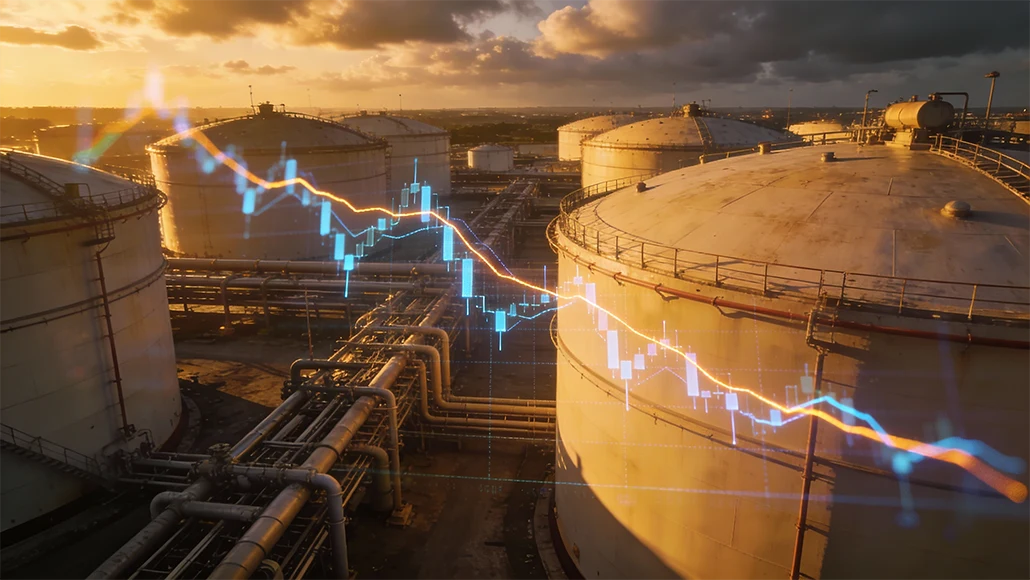
Modern digital procurement platforms do more than just facilitate transactions. They also provide valuable market intelligence that helps companies anticipate price fluctuations and supply shortages. By analyzing vast amounts of historical data, these systems can identify trends and provide recommendations on the best time to purchase specific items. This predictive capability is transforming procurement from a reactive function into a strategic asset.
The use of artificial intelligence is becoming increasingly common within these digital ecosystems. AI algorithms can scan the global market for potential disruptions, such as port closures or material shortages, and alert procurement teams in real time. This allow companies to adjust their sourcing strategies before a crisis impacts their operations. For example, if the price of specialized steel is expected to rise, a platform might suggest securing long-term contracts for tubular goods to lock in current rates.
Strategic collaboration is also being simplified through these digital tools. Operators and major service providers are using shared platforms to manage complex multi-year projects. In late 2025, BP awarded SLB OneSubsea a contract for subsea boosting equipment for the Tiber Project in the Gulf of Mexico. Managing the procurement for such a complex development requires a seamless flow of information between all stakeholders. Digital platforms ensure that everyone is working from the same data, reducing the likelihood of costly misunderstandings or delays in equipment delivery.
Streamlining the Order-to-Pay Lifecycle
The efficiency gains from digital procurement extend throughout the entire order-to-pay lifecycle. By automating routine tasks like purchase order generation, invoice matching, and payment processing, companies can significantly reduce the time and cost associated with procurement. This automation also minimizes the friction that often exists between buyers and sellers, leading to stronger and more collaborative relationships.
Standardization is a key element of this streamlined approach. Many platforms are encouraging the use of standardized parts and service descriptions, which makes it easier for buyers to compare offers and for suppliers to manage their inventory. This move toward standardization is helping to reduce the overall complexity of the oilfield supply chain. When everyone uses the same terminology and specifications, the sourcing process becomes faster and more reliable for all parties involved.
The integration of logistics tracking is also a major feature of modern platforms. Once an order is placed, the buyer can track its progress from the factory floor to the final delivery point. This level of visibility is particularly important for remote or offshore operations where a missing component can cause expensive downtime. By knowing exactly when a piece of equipment will arrive, site managers can plan their activities more effectively and avoid unnecessary delays.
Adapting to a Changing Workforce and Industry Culture
The shift toward digital procurement is also being driven by a change in the industry’s workforce. A new generation of professionals is entering the oil and gas sector, and they expect to use the same types of intuitive, digital tools that they use in their personal lives. These professionals are less likely to tolerate the slow, manual processes of the past. Companies that fail to provide modern digital interfaces will struggle to attract and retain the best talent.

Cultural shifts within organizations are also playing a role. There is a growing recognition that digital transformation is as much about people and processes as it is about technology. Many companies are investing in training programs to help their procurement teams transition to new ways of working. This investment is paying off in the form of more agile and data-driven departments that can respond quickly to the challenges of a volatile energy market.
Digital platforms are also enabling a more diverse and inclusive supply chain. By lowering the barriers to entry for smaller, specialized suppliers, these tools are fostering a more competitive and innovative marketplace. Operators can easily discover new providers that offer niche technologies or localized services that were previously difficult to find. This diversification is a key part of building a more resilient and sustainable industry. To manage these new inputs, companies are increasingly turning to predictive inventory management for oil and gas spare parts to ensure that they always have the right components in stock without overinvesting in surplus goods.
The journey toward fully digital procurement is still ongoing, but the direction is clear. Oil & Gas Advancement observes that the oil and gas industry is embracing a future where data-driven insights and automated workflows are the norm. Those who lead the way in adopting these platforms will gain a significant advantage in efficiency, transparency, and resilience. As the global energy landscape continues to evolve, the ability to source equipment and services effectively will remain a cornerstone of operational success and long-term profitability.
References
- “Digital Oilfield Market Size And Share Report, 2026-2033” – Grand View Research
- “SLB OneSubsea Awarded Subsea Boosting Contract for bp’s Tiber Project” – SLB
- “McKinsey Technology Trends Outlook 2026” – McKinsey
- “Halliburton Strategy and Business Model” – Umbrex
- “SLB OneSubsea wins PTTEP Sabah Oil EPC contract in Malaysia” – SLB
