
















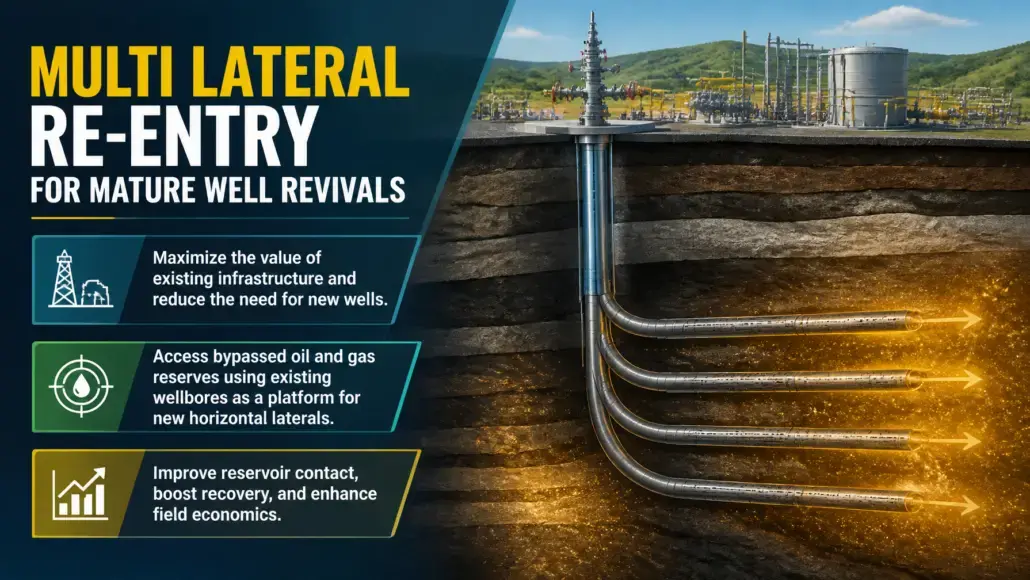
The economics of mature field development are increasingly focused on maximizing the utility of existing infrastructure. As primary production declines, operators are moving away from the high cost and risk of drilling new wells from the surface. Instead, multi lateral re-entry for mature wells is becoming a preferred strategy for accessing bypassed oil and gas reserves. By using existing wellbores as a platform for new horizontal laterals, companies can significantly improve their reservoir contact while reducing their environmental footprint.
The primary advantage of multi lateral re-entry is the reduction in capital expenditure. Re-using an existing wellbore eliminates the need for a new surface location, conductor pipe, and the upper sections of the well. This can save millions of dollars per well, making it feasible to develop reserves that would be uneconomical with traditional drilling methods.
Technological Drivers in Re-entry Operations
Success in multi-lateral re-entry depends on the ability to accurately exit the mother wellbore and navigate the new lateral.
Sidetracking technology has evolved from simple whipstocks to advanced milling systems that can create a clean window in hardened steel casing in a single trip. Once the window is established, the new lateral is drilled using sophisticated bottom-hole assemblies that provide real-time data on the rock properties and fluid content.
- SLB’s RapidX Junction Systems: SLB‘s multi-lateral junction technology creating multiple branches from a single wellbore with high structural integrity and hydraulic isolation, proven in 2025–2026 deployments to drain complex, compartmentalized reservoirs while ensuring long-term production stability.
- Halliburton’s SPECTRUM e-MLT System: A real-time coiled tubing technology delivering downhole visibility and live parameter adjustments during multi-lateral drilling and intervention, significantly mitigating the risks of water-zone breakthrough and borehole loss in mature field redevelopments.
Managing Operational Risks and Well Integrity
Multi lateral re-entry in old well carries inherent risks that must be carefully managed. The integrity of the original casing and cement must be verified before any milling or drilling can begin. Years of exposure to corrosive fluids or thermal cycling can weaken the well structure, making it susceptible to failure during the high-stress operations of a re-entry project.
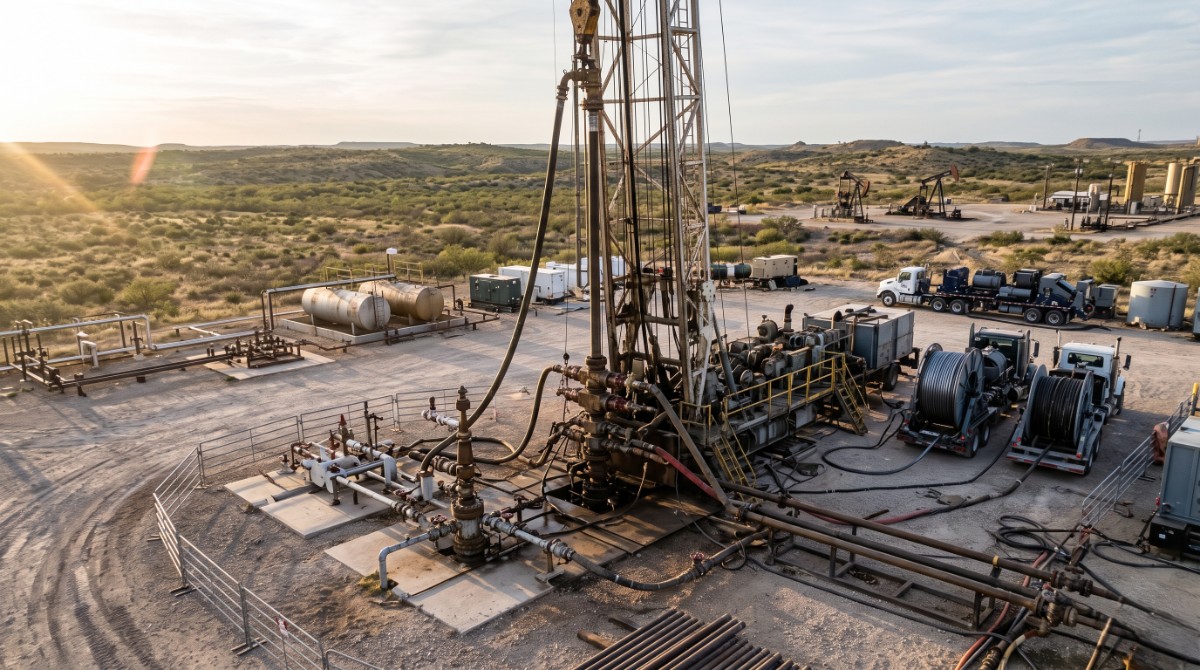
Advanced logging tools are now used to provide a detailed map of the casing wall thickness and cement quality. If deficiencies are found, they must be repaired using squeeze cementing or specialized casing patches. This pre-work is a critical part of the project planning phase and can determine the ultimate success of the revival.
Strategic Commercial Considerations for 2026
The commercial landscape for well revivals is being shaped by the need for quick returns and low carbon intensity. Re-entry projects typically have a much shorter time-to-market than new-field developments. In 2026, where market volatility remains a concern, the ability to bring new production online in weeks rather than years is a significant competitive advantage.
Furthermore, these projects align well with the environmental goals of many major oil companies. By maximizing the use of existing surface infrastructure, operators can minimize their land use and reduce the emissions associated with logistics and construction. This makes multi-lateral re-entry an attractive option for companies looking to meet their production targets while lowering their overall carbon intensity.
TotalEnergies highlighted this strategy in their 2025 Factbook, noting a preference for high-return, low-risk brownfield projects. Their investments in mature basins in the United States and West Africa include a significant component of well intervention and re-entry work. These projects provide a steady stream of cash flow that can be used to fund the company’s broader transition to renewable energy.
The Role of Digital Integration in Well Revivals
Digital tools are playing an increasingly important role in the execution of multi lateral re-entry projects. Drilling simulators allow engineers to practice the sidetracking process in a virtual environment before any equipment is sent to the rig. This reduces the risk of human error and helps to optimize the drilling parameters for specific formation types.
During the drilling process, cloud-based data platforms allow experts located around the world to monitor the progress of the well. This collaborative approach ensures that the best technical expertise is available to solve any problems that arise. It also allows for the real-time updating of the reservoir model based on the data gathered by the new laterals.
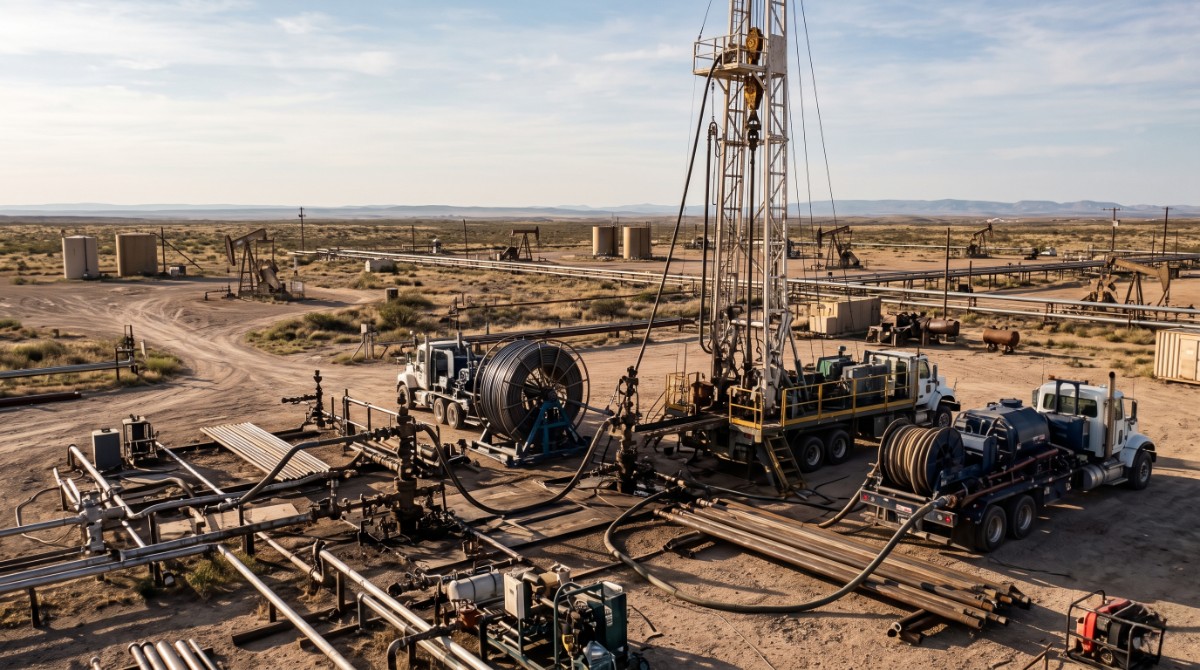
The ability to share this data with joint venture partners and regulators also improves the transparency of the drilling operation. By providing a clear record of the well trajectory and the formation properties encountered, operators can more easily demonstrate compliance with safety and environmental standards. This digital record becomes a valuable asset for the remainder of the well’s productive life.
As we move through 2026, the use of automated drilling systems is also becoming more common in re-entry operations. These systems can maintain a precise weight-on-bit and steering direction with much higher accuracy than a human operator. This level of precision is essential for navigating the narrow windows and tight tolerances of a mature wellbore. Oil and Gas Advancement believes that as the industry introduces more technologies, like CO2 injection to bring old reservoirs back into use, the oil and gas industry will become more sustainable.
References
- Factbook 2025″ – TotalEnergies
- “Multilateral Junction Systems” – SLB”SPECTRUM e-MLT Coiled Tubing” – Halliburton
- “Oil Market Report – March 2026” – International Energy Agency
- “Global Seismic Survey Market Size 2025” – Spherical Insights
