







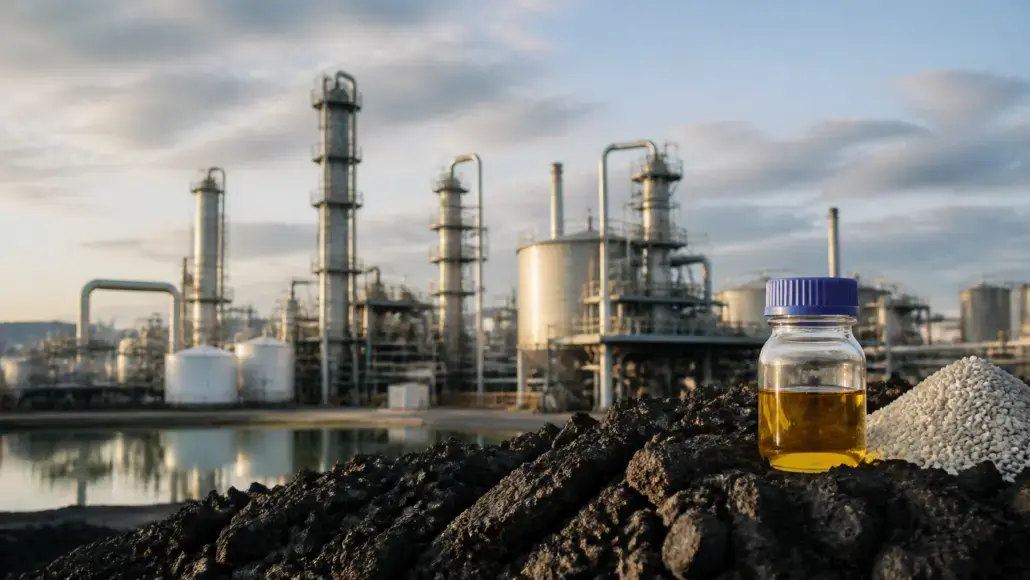
In the contemporary energy landscape of 2026, the traditional distinction between product and waste is rapidly dissolving. As the oil and gas industry strives for greater sustainability and economic resilience, byproduct valorization has emerged as a cornerstone of circular economy strategies. Oil & Gas Advancement notes that by identifying and capturing the value inherent in industrial byproducts that were previously flared, vented, or landfilled, companies are not only reducing their environmental impact but also discovering significant new revenue streams. This shift represents a fundamental evolution in how the industry manages its material flows and defines operational success.
The Strategic Importance of Byproduct Valorization
Historically, the focus of the oil and gas sector was exclusively on the primary outputs: fuels and lubricants. Secondary streams, such as sulfur, refinery gases, and various petrochemical intermediates, were often treated as necessary evils or disposal problems. However, in a world where resource scarcity and environmental compliance are paramount, this waste-blind approach is no longer tenable. Byproduct valorization in Oil and Gas involves the application of advanced chemical and mechanical processes to upgrade these low-value streams into high-demand commercial products.
The strategic rationale for valorization is twofold. First, it directly contributes to the circular economy by ensuring that the maximum amount of utility is extracted from every barrel of crude oil or cubic meter of natural gas. Second, it provides a hedge against the volatility of primary energy markets. By diversifying their product portfolios to include a wide range of specialty chemicals, industrial gases, and construction materials, energy companies can create a more stable and resilient financial base. Valorization is, therefore, an exercise in both environmental stewardship and strategic risk management.
Turning Sulfur and Nitrogen into Industrial Assets
One of the most mature examples of byproduct valorization in Oil and Gas is the recovery of sulfur from crude oil and natural gas processing. As environmental regulations have mandated lower sulfur content in fuels, the industry has developed sophisticated hydro-desulfurization and Claus processes to capture this element. Rather than being a waste product, recovered sulfur is a vital feedstock for the global fertilizer industry, as well as for the production of sulfuric acid, which is used in countless industrial applications.
Similarly, nitrogen compounds recovered during refining are being valorized into urea and other nitrogen-based fertilizers. By integrating petrochemical and agricultural supply chains, oil and gas companies are playing a crucial role in supporting global food security while finding a profitable home for their byproducts. In 2026, the focus is shifting toward even higher-value sulfur applications, such as the development of sulfur-based polymers and advanced battery materials. This progression from simple recovery to high-tech valorization illustrates the ongoing innovative capacity of the sector.
Valorizing Refinery Gases and Carbon Dioxide
Refinery fuel gas and tail gases, which were traditionally flared or burned for process heat, are now being subjected to intense valorization efforts. Through advanced membrane separation and cryogenic distillation, companies are extracting high-purity hydrogen, helium, and light hydrocarbons from these streams. Hydrogen, in particular, is a high-value byproduct that can be used within the refinery for hydrocracking or sold to the growing market for clean transport fuel and industrial hydrogen.
The most transformative frontier of byproduct valorization in Oil and Gas is the utilization of captured carbon dioxide. Rather than treating CO2 as an atmospheric liability, circular refineries are beginning to use it as a feedstock for the production of synthetic fuels, carbonated beverages, and building materials. Carbon mineralization, where CO2 is reacted with industrial waste like slag or fly ash to create stable carbonates, is providing a way to turn carbon emissions into concrete aggregates. This not only sequesters the carbon but also creates a valuable product for the construction industry, exemplifying the circular ideal of turning a problem into a solution.
Converting Refinery Sludge and Spent Catalysts
The management of refinery sludge—a complex mixture of water, oil, and solids—has long been a major environmental challenge. Modern valorization techniques involve the use of thermal desorption and solvent extraction to recover the high-quality oil trapped within the sludge. The remaining solid residue can often be repurposed as a raw material for brick making or as a fuel in cement kilns. This approach eliminates the need for hazardous waste landfilling while recovering valuable energy and material resources.
Spent catalysts, which contain precious and transition metals, represent another high-value valorization opportunity. Through hydrometallurgical recovery, metals like nickel, cobalt, and molybdenum are extracted and reused in the production of new catalysts or sold into the global metals market. As the demand for these metals grows for use in electric vehicle batteries and other green technologies, the role of byproduct valorization in Oil and Gas as a source of recycled minerals is becoming increasingly important. The industry is thus becoming a significant player in the circular supply chain for critical raw materials.
Overcoming Economic and Logistical Hurdles
While the technical potential for byproduct valorization in Oil and Gas is enormous, the economic realization of these projects can be challenging. Many valorization processes require significant capital investment in specialized equipment and can have high operational costs. To be viable, these projects must be supported by robust markets for the resulting byproducts. This requires energy companies to build new commercial capabilities and establish partnerships with diverse industries, from agriculture to high-tech manufacturing.
Logistics also pose a significant hurdle. Byproducts are often produced in locations that are far from potential end-users. Building the necessary infrastructure—such as pipelines, storage tanks, and transportation networks—to move these materials efficiently and safely is a major undertaking. In 2026, we are seeing the emergence of industrial symbiosis parks, where different industries are co-located to facilitate the exchange of energy, water, and byproducts. This geographical clustering reduces logistical costs and enhances the overall efficiency of the circular system.
The Role of Innovation and Digitalization in Valorization
The future of byproduct valorization in Oil and Gas is being shaped by continuous innovation in chemical engineering and material science. Researchers are developing new catalysts and separation technologies that can handle more complex and contaminated byproduct streams with higher efficiency. At the same time, digitalization is providing the tools needed to manage these complex circular flows. AI-driven systems can monitor the composition of byproduct streams in real-time and automatically adjust processing conditions to maximize product quality and yield.
Digital twins of the entire valorization process allow companies to simulate different scenarios and optimize their operations for both sustainability and profitability. By integrating data from across the value chain, companies can better match their byproduct supply with market demand, ensuring that no resource goes to waste. The combination of advanced chemistry and digital intelligence is unlocking the full potential of circularity in the oil and gas sector.
Future Outlook: A New Industrial Logic
As we move toward a more sustainable future, byproduct valorization in Oil and Gas will become an increasingly central part of the industry’s identity. The traditional linear model of production is being replaced by a new industrial logic that prioritizes resource recovery and waste elimination at every stage. This shift will require ongoing investment, collaboration, and a willingness to challenge established norms.
Oil & Gas Advancement believes that the success of valorization efforts will be measured not just by their financial returns, but by their contribution to a more circular and resilient global economy. By turning its byproducts into assets, the oil and gas industry is demonstrating its ability to adapt and thrive in a rapidly changing world. The journey from waste to value is well underway, and it is set to redefine the future of energy production for decades to come.
