


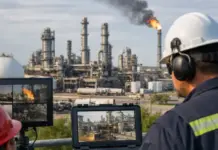







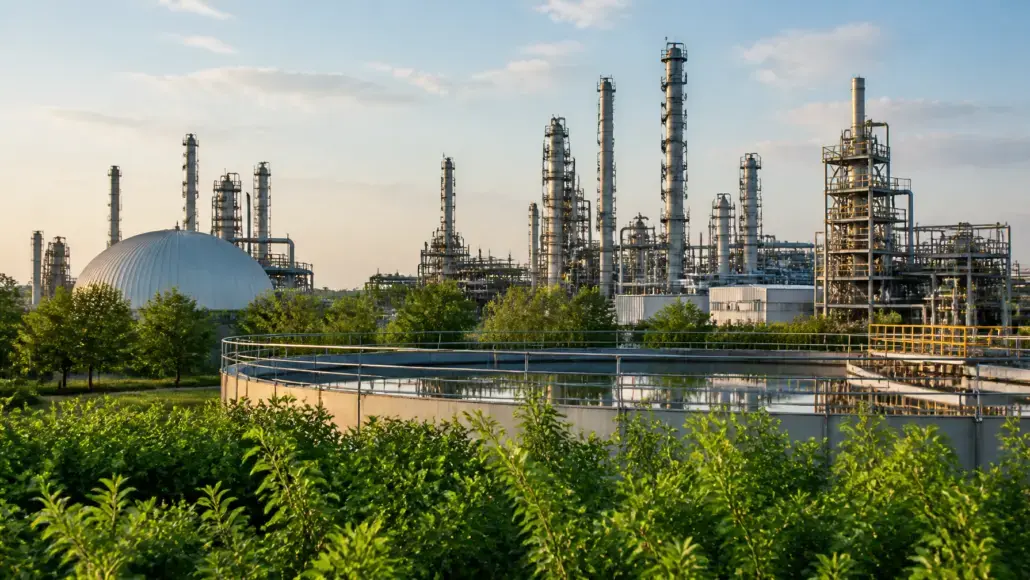
The traditional image of an oil refinery—a complex maze of steel pipes and flaring stacks—is undergoing a radical transformation as the industry embraces the principles of sustainability and resource efficiency. In 2026, the concept of circular refineries has moved to the forefront of the energy transition, representing a new generation of industrial facilities designed to minimize environmental impact while maximizing the value of every molecule processed. Oil & Gas Advancement notes that this shift is driven by a combination of stringent environmental regulations, the need for cost optimization, and a growing corporate commitment to achieving net-zero emissions.
Rethinking Waste as a Resource in Modern Refining
For decades, refineries have generated significant volumes of waste streams, including oily sludge, spent catalysts, and contaminated process water. In a traditional linear model, these materials were often treated as liabilities, requiring expensive disposal or specialized treatment. However, circular refineries operate on the premise that there is no such thing as waste, only resources in the wrong place. By implementing advanced separation and recovery technologies, next-generation refineries are turning these traditional waste streams into valuable feedstocks or commercial products.
Oily sludge, for example, is now frequently processed using high-speed centrifuges and thermal desorption units to recover trapped hydrocarbons, which can then be fed back into the primary distillation process. Similarly, the metals found in spent catalysts—such as platinum, palladium, and molybdenum—are being recovered through sophisticated hydrometallurgical processes. This not only reduces the environmental burden of landfilling hazardous materials but also provides a secure, circular supply of critical minerals for the industry. The transformation of a refinery into a circular system requires a fundamental change in mindset, moving from disposal to valorization.
Advanced Water Management and Closed-Loop Systems
Water is an essential component of refining operations, used for cooling, steam generation, and various chemical processes. In many regions, the high water intensity of refining has led to conflicts with local communities and ecosystems. Circular refineries address this challenge by implementing comprehensive water reuse and desalination strategies. By treating and recycling process water multiple times within the facility, these advanced refineries can reduce their freshwater withdrawal by up to 90%.
The integration of Zero Liquid Discharge (ZLD) technologies is a hallmark of the most advanced circular refineries. ZLD systems involve a series of treatment steps, including membrane filtration and evaporation, that recover pure water from wastewater while concentrating the remaining salts and solids into a dry cake that can often be repurposed for industrial applications. This closed-loop approach not only protects local water resources but also insulates the refinery from the risks of water scarcity and increasing water costs. As climate change impacts water availability globally, the adoption of circular water management is becoming a critical component of operational resilience.
Integrating Bio-Feedstocks and Recycled Materials
The evolution of circular refineries is also characterized by the diversification of feedstocks. While traditional refineries were designed solely for crude oil, next-generation facilities are being retrofitted to process a variety of renewable and recycled materials. This includes the co-processing of vegetable oils, animal fats, and pyrolysis oil derived from waste plastics. By integrating these circular feedstocks into existing refining units, companies can produce lower-carbon fuels and chemicals that meet the growing demand for sustainable products.
This transition is supported by advancements in catalyst technology and process engineering, which allow refineries to handle the different chemical profiles of bio-based and recycled materials. The goal is to create a flexible refining platform that can seamlessly switch between different feedstocks depending on availability and market demand. This flexibility is essential for the long-term viability of the refining sector in a world where the role of traditional fossil fuels is gradually declining. Circular refineries are thus becoming the backbone of a new, more integrated energy system that bridges the gap between the fossil fuel era and the bio-economy.
Energy Efficiency and the Role of Digitalization
A truly circular system must also be highly energy-efficient. Circular refineries utilize advanced heat integration and energy recovery systems to capture and reuse waste heat throughout the facility. This includes the use of organic Rankine cycle (ORC) turbines to generate electricity from low-grade heat and the implementation of high-efficiency furnaces and boilers. By minimizing energy losses, refineries can significantly reduce their operational costs and carbon footprint.
Digitalization plays a pivotal role in enabling these efficiencies. AI-driven optimization tools and digital twins allow refinery operators to monitor and control complex processes in real-time, ensuring that every unit is operating at its peak performance. Predictive maintenance algorithms can identify potential equipment failures before they occur, reducing downtime and preventing the waste associated with emergency repairs. In 2026, the data-driven refinery is the ultimate expression of the circular ideal, where information is used to maximize the utility of physical assets and resources.
Economic Viability and Regulatory Drivers
The transition to circular refineries is being accelerated by a supportive regulatory environment. Carbon pricing mechanisms, waste disposal taxes, and mandates for renewable fuel blending are all providing strong financial incentives for companies to invest in circular technologies. Furthermore, the growing focus on ESG (Environmental, Social, and Governance) performance by investors is making it easier for refineries to secure capital for sustainability-focused projects.
Economically, the benefits of circularity are becoming increasingly apparent. By recovering valuable materials from waste and reducing energy and water consumption, circular refineries can achieve significant cost savings over the long term. Additionally, the ability to produce high-value, sustainable products allows refiners to capture a premium in the market and future-proof their operations against shifting consumer preferences. The transformation is not just an environmental necessity. It is a strategic imperative for survival in the modern energy market.
The Future of Refining: A Global Shift
As we look toward the future, the adoption of circular refineries is expected to become a global standard. Leading oil and gas companies are already announcing ambitious plans to convert their existing assets into circular hubs, and new refineries are being designed with these principles at their core. This shift represents a major milestone in the industry’s journey toward sustainability, demonstrating that even the most complex and resource-intensive industrial processes can be reimagined for a circular world.
Oil & Gas Advancement believes that the success of circular refineries will depend on continued innovation in technology, as well as the development of new business models that encourage collaboration across the value chain. By working with waste management companies, technology providers, and end-users, the refining industry can play a central role in building a more resilient and sustainable global economy. The era of the circular refinery has arrived, and it is set to redefine the future of energy production for generations to come.
