















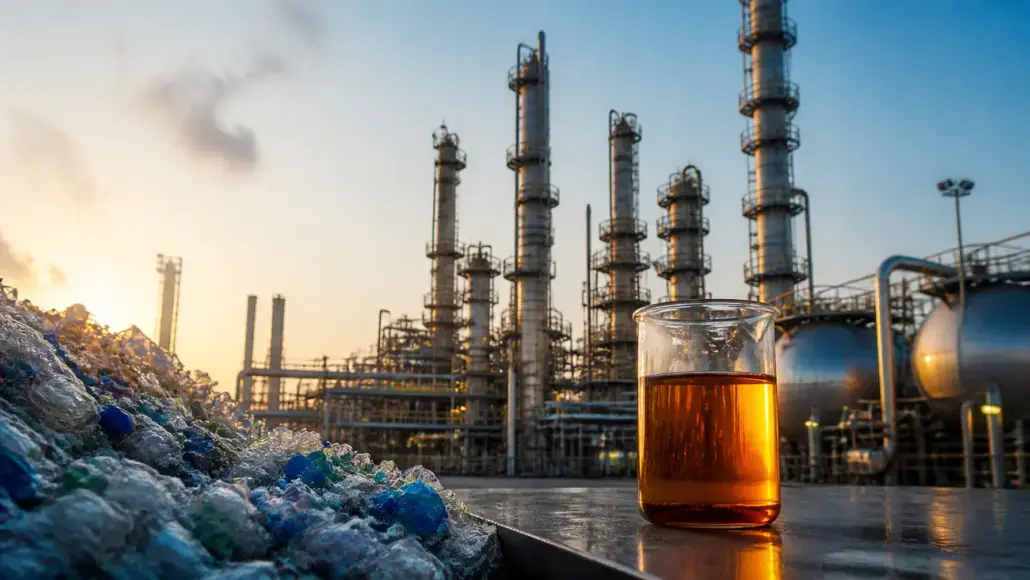
The global challenge of plastic waste management has reached a critical juncture, prompting the energy and petrochemical sectors to look toward innovative solutions that align with circular economy principles. As of 2026, waste plastic to oil technologies, particularly advanced pyrolysis, have emerged as a frontrunner in the quest to transform non-recyclable plastics into high-value refinery feedstocks. Oil & Gas Advancement notes that this transition represents a significant shift from mechanical recycling to chemical recycling, offering a way to process complex, contaminated plastic streams that were previously destined for landfills or incineration.
Understanding the Pyrolysis Process in Chemical Recycling
At its core, pyrolysis involves the thermal degradation of plastic polymers in the absence of oxygen. By subjecting waste plastic to high temperatures, the long-chain molecules are broken down into shorter-chain hydrocarbons, resulting in a synthetic crude oil often referred to as pyrolysis oil. The efficacy of waste plastic to oil technologies depends heavily on the quality of the incoming feedstock and the precision of the temperature control during the reaction. Unlike mechanical recycling, which can degrade the quality of the plastic over time, chemical recycling via pyrolysis allows for the creation of virgin-quality polymers from waste.
The resulting oil can be integrated into existing refinery infrastructure, serving as a substitute for traditional fossil-based crude. This not only reduces the demand for virgin oil extraction but also provides a sustainable end-of-life solution for plastics that cannot be easily sorted or cleaned. As technology matures, the ability to handle mixed plastics—including polyethylene, polypropylene, and polystyrene—is making waste plastic to oil technologies an increasingly attractive option for large-scale refinery operations.
Integration Challenges within Existing Refinery Infrastructure
While the potential of waste plastic to oil technologies is vast, their integration into traditional refineries is not without significant technical hurdles. Pyrolysis oil often contains impurities such as chlorine, nitrogen, and various metals derived from plastic additives and contaminants. These impurities can be detrimental to refinery catalysts and equipment, leading to corrosion or reduced efficiency. Therefore, pre-treatment and post-pyrolysis upgrading are essential steps to ensure the oil meets the stringent specifications required for refinery units like the Fluid Catalytic Cracker (FCC) or the steam cracker.
Refiners are currently exploring two primary pathways for integration: co-processing and dedicated units. Co-processing involves blending a small percentage of pyrolysis oil with traditional crude oil, allowing for a gradual transition without major capital expenditures. Alternatively, dedicated upgrading units can be built to refine 100% pyrolysis oil into high-quality naphtha or diesel. The choice between these methods depends on the volume of plastic waste available and the specific configuration of the refinery. As waste plastic to oil technologies continue to scale, the industry is seeing a move toward more integrated circular parks where waste sorting, pyrolysis, and refining occur in close proximity.
Economic Viability and Market Drivers for Waste-to-Oil
The economic landscape for waste plastic to oil technologies is rapidly evolving, driven by both regulatory mandates and consumer demand for sustainable products. In many jurisdictions, carbon taxes and plastic waste levies are making traditional disposal methods more expensive, thereby improving the cost-competitiveness of chemical recycling. Furthermore, brand owners in the packaging, automotive, and consumer goods sectors are setting ambitious targets for recycled content, creating a robust market for polymers produced from pyrolysis oil.
However, the capital intensity of building large-scale pyrolysis plants remains a challenge. To achieve mainstream status, waste plastic to oil technologies must demonstrate consistent performance at high volumes. Partnerships between waste management companies, technology providers, and oil majors are proving crucial in securing the necessary feedstock and financial backing. By sharing the risks and rewards of these ventures, the industry is slowly building the infrastructure required to make pyrolysis oil a staple of the global refinery diet.
Environmental Impact and the Circular Economy Narrative
The environmental credentials of waste plastic to oil technologies are a subject of intense scrutiny and ongoing research. Life cycle assessments (LCAs) generally indicate that pyrolysis offers a lower carbon footprint compared to incineration or landfilling, especially when the resulting oil replaces virgin crude. However, the energy required to heat the pyrolysis reactors must be considered. In 2026, leading facilities are beginning to power their operations with renewable energy or by using the non-condensable gases produced during the pyrolysis process itself, further enhancing the sustainability of the operation.
By closing the loop on plastic waste, waste plastic to oil technologies play a vital role in the broader circular economy. They ensure that the energy and carbon embedded in plastics are recovered and reused, rather than lost to the environment. This narrative is essential for maintaining the industry’s social license to operate in an era where environmental stewardship is paramount. As public awareness of plastic pollution grows, the ability to demonstrate a clear path from waste to new product is a powerful tool for the petrochemical industry.
Digitalization and Process Optimization in Chemical Recycling
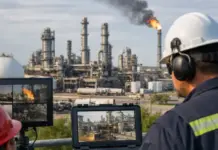
Digital technologies are increasingly becoming central to improving the reliability and efficiency of chemical recycling facilities. Advanced process-control systems can continuously monitor reactor temperatures, feedstock composition and product yields, enabling operators to make rapid adjustments as the characteristics of incoming plastic waste change. This is particularly important because mixed and contaminated feedstocks can behave differently during thermal conversion, affecting the consistency of pyrolysis oil.
Artificial intelligence and machine learning can also support predictive maintenance by identifying unusual equipment behavior before it results in an unplanned shutdown. At the same time, digital twins can help operators simulate process conditions and evaluate potential improvements without interrupting live production. These technologies can help reduce energy consumption, improve throughput and optimize the quality of recovered hydrocarbons. For refinery operators, stronger digital integration could therefore become a key factor in determining which waste plastic to oil technologies can achieve reliable commercial-scale performance.
The Future Outlook: Scaling Up for Mainstream Adoption
As we look toward the end of the decade, the question is no longer whether waste plastic to oil technologies are viable, but how quickly they can be scaled. Oil & Gas Advancement believes that the transition to a mainstream refinery feedstock will require significant advancements in automated sorting, catalyst development, and international trade standards for pyrolysis oil. We are likely to see the emergence of global supply chains for plastic waste, with regional hubs dedicated to chemical recycling.
Government support through subsidies for circular infrastructure and clear definitions of recycled content will be instrumental in de-risking these investments. If the current trajectory continues, pyrolysis oil could account for a meaningful percentage of refinery inputs by 2030, marking a true turning point in how the world views and manages plastic waste. The journey of waste plastic to oil technologies from a niche innovation to a mainstream industrial process is a testament to the power of technological ingenuity in addressing some of our most pressing environmental challenges.
