







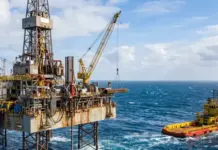
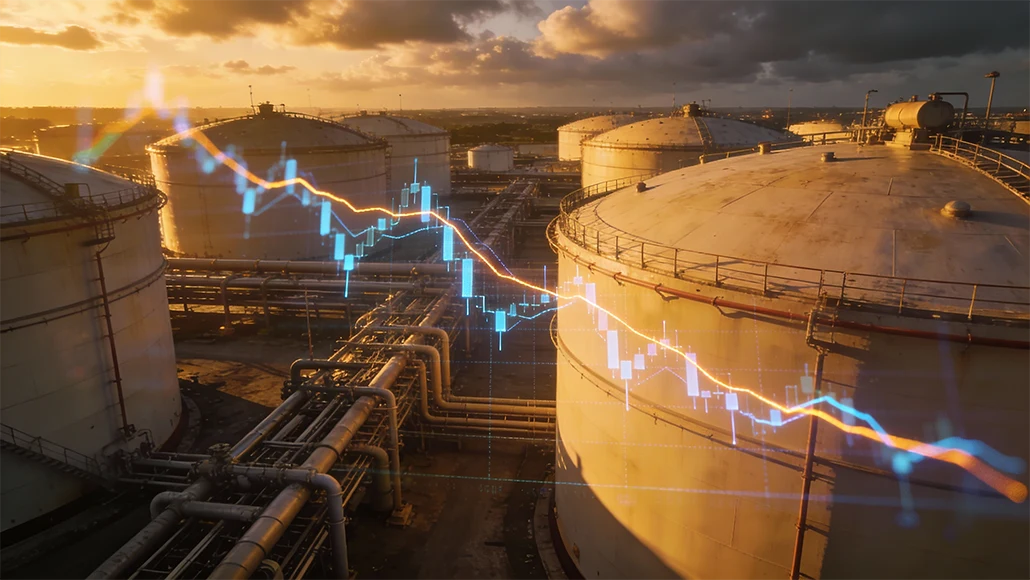
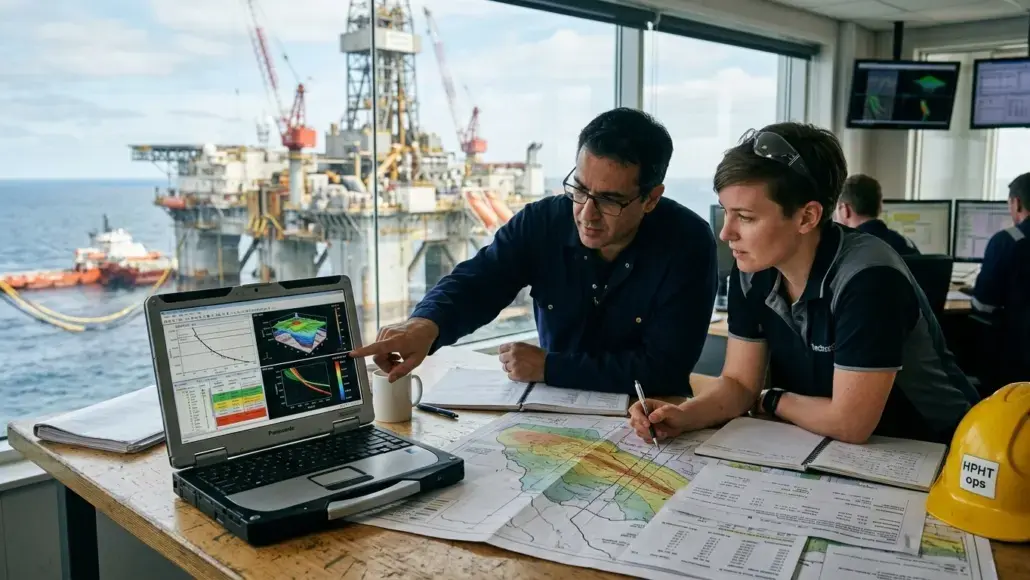
The exploration of High-Pressure High-Temperature (HPHT) reservoirs represents one of the most significant technical frontiers in the upstream oil and gas industry. These environments, often defined by pressures exceeding 15,000 psi and temperatures above 300°F, push the physical limits of drilling equipment, completion tools, and downhole fluids. Historically, HPHT projects were characterized by high costs, long development cycles, and significant operational risks. However, the advent of Digital Well Planning for HPHT Reservoirs has fundamentally changed the landscape. By utilizing advanced computational models, virtual simulations, and data-driven insights, engineers can now design wells with a level of precision and confidence that was previously impossible. Oil & Gas Advancement notes that this digital approach allows for the identification of potential failures before the first foot of hole is drilled, transforming HPHT development from a high-stakes gamble into a disciplined, engineering-led process.
The Technical Complexity of HPHT Exploration
Drilling into an HPHT reservoir is akin to operating in a hostile, extraterrestrial environment. The extreme heat can degrade the chemical properties of drilling fluids, leading to unpredictable rheology and compromised wellbore stability. Simultaneously, the immense pressure requires casing designs and wellhead equipment that can withstand forces far beyond those encountered in conventional wells. Conventional planning methods, which often rely on simplified models and broad safety factors, are inadequate for the nuances of HPHT. Digital Well Planning for HPHT Reservoirs addresses these complexities by integrating diverse datasets—geophysical, geomechanical, and thermal—into a single, high-fidelity model. This holistic view enables engineers to predict how the wellbore and the surrounding rock will react throughout the drilling and production phases, ensuring that every component is specified to survive and thrive in extreme conditions.
Advanced Thermodynamic Modeling for Fluid Stability
A critical component of this digital approach is thermodynamic modeling. In HPHT environments, the behavior of gases and fluids becomes highly non-linear. The solubility of gases in the drilling mud can change rapidly with temperature, potentially leading to rapid expansion and “kick” scenarios that are difficult to manage. Digital Well Planning for HPHT Reservoirs employs sophisticated algorithms to simulate the chemical and physical changes that occur within the wellbore. This allows mud engineers to design “smart” fluid systems that maintain stability even at the bottom of the hole. By simulating the impact of thermal expansion and compressibility, the digital plan provides a roadmap for pressure management, ensuring that the equivalent circulating density (ECD) stays within the safe operating window. This level of foresight is essential for preventing lost circulation and maintaining the primary barrier against the reservoir.
Strategic Metallurgy and Material Selection in Well Design
In an HPHT well, the selection of materials is not just a matter of strength; it is a matter of chemistry. The combination of high temperatures and corrosive gases like H2S and CO2 can lead to rapid embrittlement and stress corrosion cracking in standard steel alloys. Digital well planning platforms now include extensive databases of material performance under extreme conditions. Engineers can use these tools to perform virtual “stress tests” on different casing and tubing configurations. By simulating the life-cycle loads—including thermal cycling during production—the digital plan identifies the most cost-effective metallurgy that meets the safety requirements. This prevents over-engineering, which can add millions to the project cost, while ensuring that the well remains integral for its entire design life. The ability to virtually validate material choices reduces the need for expensive physical testing and accelerates the overall project timeline.
Simulation-Driven Risk Mitigation and Safety Engineering
Safety is the paramount concern in any HPHT operation. The potential for a high-pressure blowout or a structural failure requires a rigorous approach to risk management. Digital Well Planning for HPHT Reservoirs excels in this area by enabling “Monte Carlo” simulations—running thousands of different scenarios to identify the most likely outcomes and the worst-case possibilities. This probabilistic approach allows engineers to design robust well control procedures and specify secondary barriers with greater accuracy. For example, simulations can determine the optimal placement of casing shoes to maximize the kick tolerance of the well. By visualizing the impact of a potential influx in a virtual environment, the rig crew can be trained on the specific responses needed for that particular well’s geometry and pressure profile. This simulation-driven engineering creates a culture of preparedness that is essential for safe offshore operations.
Integrating Digital Twins for Life-of-Well Performance
The value of digital well planning extends far beyond the initial construction phase. By creating a “Digital Twin” of the HPHT well, operators can continue to optimize performance throughout the production life-cycle. The digital twin is a living model that is updated with real-time data from downhole sensors. If the well starts to experience unexpected pressure changes or temperature spikes, the twin can be used to diagnose the issue and test potential interventions. In HPHT reservoirs, where interventions are notoriously expensive and risky, the ability to “try before you buy” in a virtual environment is a massive competitive advantage. Furthermore, the digital twin can predict the onset of scale formation or paraffin deposition, allowing for proactive chemical treatments. This integrated approach ensures that the HPHT asset delivers maximum value while minimizing the environmental and operational risks associated with long-term production.
Future Trends in Autonomous HPHT Well Construction
As we look to the future, the role of Digital Well Planning for HPHT Reservoirs will increasingly intersect with automation and artificial intelligence. The next generation of planning tools will not only recommend designs but will actively communicate with automated drilling rigs to execute them. In the extreme conditions of HPHT, where the margin for error is measured in seconds, the speed of machine-led decision-making will be a critical safety feature. AI algorithms will be able to analyze real-time drilling data against the digital plan, making instantaneous adjustments to avoid hazards that a human operator might miss. This shift toward autonomous construction will be underpinned by the data-rich environments created during the digital planning phase. As the industry continues to push the boundaries of energy exploration, the synergy between digital engineering and robotic execution will be the foundation of a new era of HPHT success.
Digital Well Planning for HPHT Reservoirs is more than just a software tool; it is a fundamental shift in how the industry approaches complexity. By embracing the power of simulation, thermodynamic modeling, and material science, operators can unlock the vast energy potential of the world’s most challenging reservoirs. The ability to virtually construct and test a well before the first physical action is taken is the ultimate safeguard for people, assets, and the environment. As technology continues to evolve, the insights generated during the digital planning phase will continue to drive innovation, efficiency, and safety across the entire upstream sector. In the pursuit of global energy security, Oil & Gas Advancement believes the digital path is the only way forward for the high-pressure, high-temperature frontier.
