





















BP has announced significant plans to restructure its operations into two distinct business segments, a change set to take effect from 1st July 2026. This strategic move is designed to simplify the company’s organizational framework, ultimately aiming to bolster performance and enhance shareholder value.
The energy giant will transition from its current three-segment model to a new structure comprising upstream and Downstream operations. This approach consolidates businesses that span the oil, gas, refining, and marketing value chains under a more streamlined operating model.
Gordon Birrell has been appointed as the executive vice president for the upstream segment. Concurrently, Richard Harding will assume the role of interim executive vice president for the downstream segment, with a formal recruitment process underway to secure a permanent leader for this division. The reorganization into upstream and downstream operations marks a pivotal shift in the company’s operational strategy.
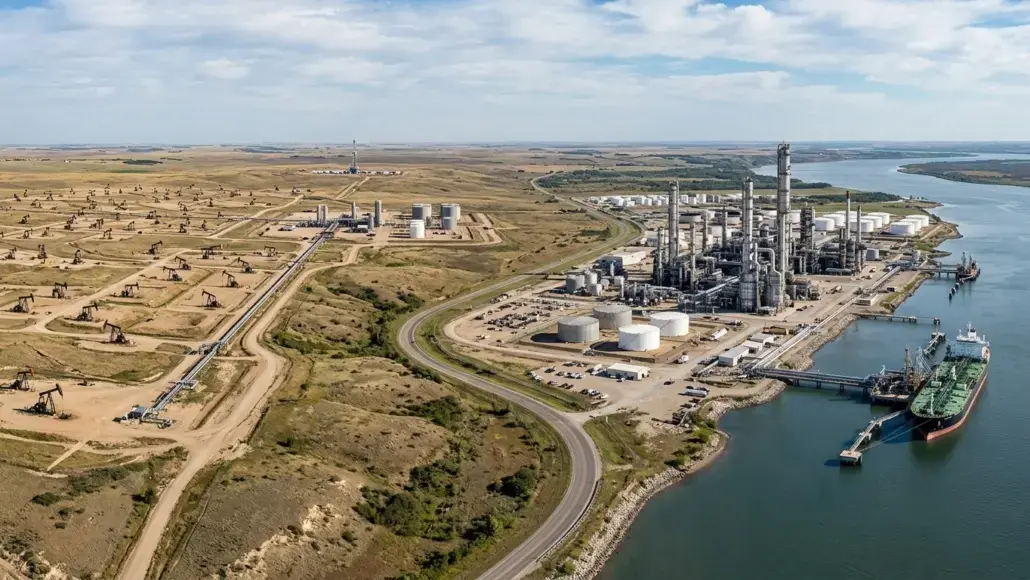
The upstream segment will encompass BP’s global oil and gas regions, including all exploration, development, and production activities. It will also integrate upstream joint ventures, renewable natural gas initiatives, and carbon capture and storage operations. The downstream segment, on the other hand, will house refining operations, terminals, pipelines, mobility and convenience services, biofuels, aviation, hydrogen, and the Castrol brand.
Supply, Trading & Shipping operations are slated to continue functioning across both segments. Meanwhile, renewable energy ventures, such as solar and offshore wind projects, will be positioned within the Technology function. This decision aligns with BP’s pursuit of a capital-light strategy in these growth areas.
Chief Executive Meg O’Neill said, “Focusing BP around two distinct segments is an important step in accelerating delivery. It will reduce complexity and strengthen execution.”
The company indicated that the new corporate structure of upstream and downstream operations is intended to foster greater clarity in accountability and facilitate faster decision-making processes. This initiative complements ongoing efforts to streamline the company’s portfolio, reduce costs, maintain capital discipline, and reinforce its balance sheet.
For the purpose of financial reporting, BP will continue to adhere to its existing segment reporting structure, which includes production and operations, gas and low carbon energy, and customers and products, through the end of 2026. The transition to the new reporting structure is anticipated to commence on January 1, 2027.
