




The Israeli government has officially commenced its fifth competitive process to identify more natural gas within the nation’s territorial waters. Israel’s Energy Minister Eli Cohen announced the move, emphasizing the strategic goal of strengthening domestic gas reserves while simultaneously facilitating a rise in energy exports to regional partners.
Strategic Expansion of Mediterranean Gas Resources
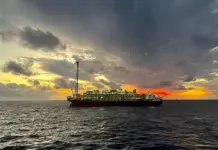
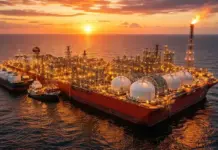
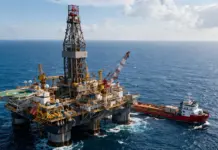
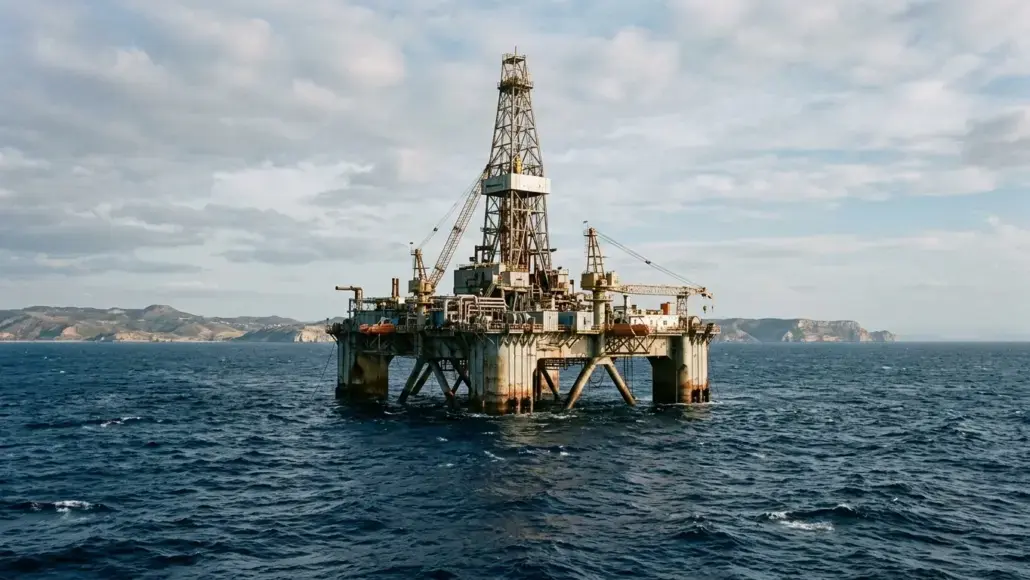
Currently, the energy requirements of the country are primarily met by several offshore gas fields located along the coast, with the Tamar site serving as a primary source for internal use. Meanwhile, the Leviathan site, situated approximately 130 kilometers offshore, handles the majority of the nation’s energy exports, which are largely directed toward Egypt and Jordan.
The newly announced Mediterranean natural gas exploration initiative will be executed in three distinct phases and is expected to span approximately one year. Chevron, the current operator of the major existing fields, has been granted permission to participate in this process as part of a joint consortium.
Production Requirements and Future Export Potential
Israeli law mandates a specific distribution for any new discoveries made during natural gas exploration activities. The first 50 billion cubic meters (bcm) of gas identified must be reserved exclusively for local consumption. Any volumes discovered beyond that threshold will be divided between domestic needs and international markets. Current estimates from the Petroleum Commissioner Chen Bar Yoseph suggest that up to 400 bcm of gas may still be undiscovered in these offshore gas fields, which could significantly alter the current production landscape.
At present, the nation consumes 14 bcm annually and exports an equivalent amount. While there is notable interest in Mediterranean natural gas from European markets, the lack of a direct pipeline remains a logistical hurdle. However, officials suggest that if the latest search results in substantial new gas reserves, the possibility of establishing infrastructure for European supply could be revisited. This follows previous licensing successes where companies such as BP, Socar, and NewMed Energy were granted rights to explore the region’s maritime wealth.
