




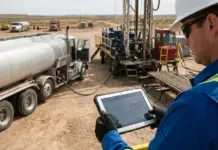











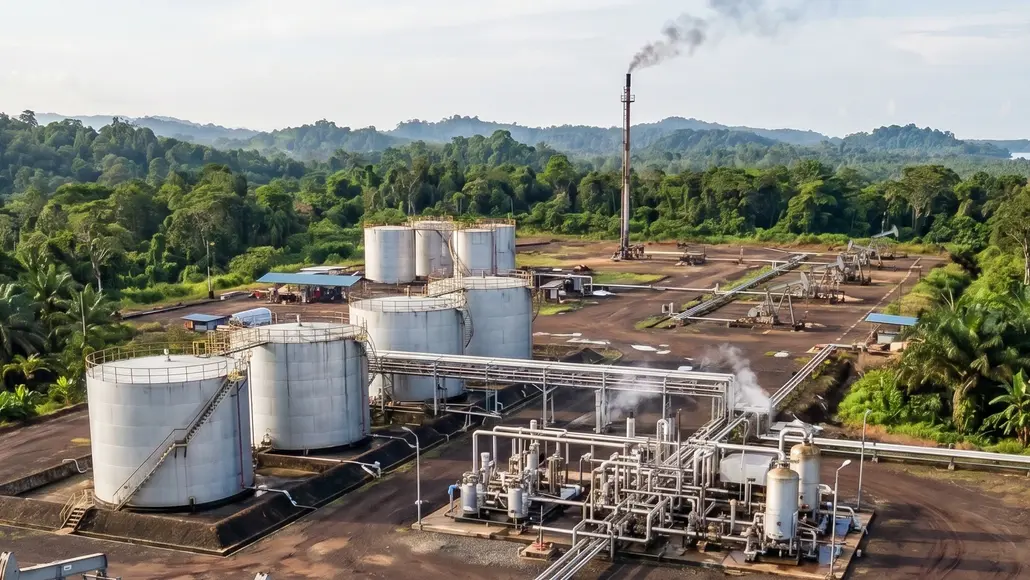
Indonesia is pushing for an oil output boost from community-operated oil wells, targeting production of at least 2,000 barrels per day (bpd) by July 2026 as part of broader efforts to strengthen domestic energy supply, lower reliance on imports and increase local involvement in the oil industry. According to Djoko Siswanto, head of upstream oil and gas regulator SKK Migas, production from “people’s oil wells” or ‘sumur rakyat’ has already climbed to around 1,500 bpd and is expected to continue increasing in the weeks ahead.
Speaking after a parliamentary hearing on 3rd June 2026, Djoko said, “By July, production must increase to 2,000 barrels per day at a minimum.”
At present, nine entities, including cooperatives, regional government-owned enterprises and small businesses, are operating these wells under a government-supported framework intended to formalize and broaden community participation in the sector. The planned oil output boost is seen as a key element of Indonesia’s strategy to increase domestic production.
The initiative is being implemented under Energy and Mineral Resources Ministerial Regulation No. 14/2025, which authorizes regional state-owned enterprises, cooperatives and micro, small and medium-sized enterprises (MSMEs) to legally manage community oil wells and market their production to state energy company Pertamina or oil and gas contractors. The regulation also allows crude from these wells to be sold at 80% of the Indonesian Crude Price (ICP), creating an official sales channel for output that previously existed largely outside the mainstream oil industry. In December, state oil and gas company Pertamina completed its first-ever purchase of crude oil produced from community-managed wells in Jambi. Djoko said the longer-term potential of these wells could reach 20,000 bpd, highlighting the scale of the anticipated oil output boost if development continues successfully.
Energy Minister Bahlil Lahadalia said President Prabowo Subianto wants communities to have a greater role in the oil and gas industry instead of the sector being dominated by major corporations. To support that objective, the government plans to legalize about 45,000 community-managed oil wells across the country. According to Bahlil, the policy is intended to increase oil production while also supporting local economies and generating employment opportunities. The government considers the optimization of community wells one of several measures required to help meet the oil production target of 610,000 bpd established in the 2026 state budget.
As of 31st May 2026, combined production of crude oil, condensate and natural gas liquids (NGLs) totaled 576,200 barrels of oil equivalent per day. That figure included 491,300 bpd of crude oil, 55,800 bpd of condensate and 29,100 bpd of NGLs.
Indonesia has faced a persistent production deficit for years, with domestic demand exceeding 1.6 million barrels per day, significantly above current output levels. This imbalance has increased dependence on imported crude oil and refined fuels. Last year, Indonesia’s oil lifting averaged 605,300 bpd, while gas lifting reached 951,800 barrels of oil equivalent per day. Authorities hope that an oil output boost from community-managed wells, together with new exploration activities and enhanced recovery projects, will contribute to higher domestic production and improved energy security.
