






The United Arab Emirates’ decision to exit Organization of the Petroleum Exporting Countries (OPEC) and the wider OPEC+ alliance from May 2026 marks one of the most consequential shifts in global oil market dynamics in decades, removing millions of barrels of production capacity from the cartel’s quota system at a time of heightened geopolitical instability. Driven by the accelerated expansion strategy of the Abu Dhabi National Oil Company (ADNOC) , the supply disruptions linked to the Iran war and Hormuz crisis, and Abu Dhabi’s desire to maximise revenues amid uncertain long-term oil demand, the move significantly weakens OPEC’s internal cohesion and pricing authority. The exit also intensifies competition between the UAE and Saudi Arabia for influence in key Asian export markets, while creating broader implications for global crude pricing, supply coordination, and market share opportunities for non-OPEC producers.
The Immediate Aftermath: A Production Surge and Price Volatility
The most immediate and visceral impact of a UAE exit from OPEC would be felt in the price of crude oil. Freed from the constraints of the cartel’s production quotas, ADNOC would be incentivized to unleash its full production capacity to maximize revenue and capture market share. With a current capacity of over 4 million barrels per day (bpd) and a clear strategy to reach 5 million bpd by 2027, the UAE could single-handedly introduce a tidal wave of new supply into the global market.
This scenario would likely trigger a dramatic price war, reminiscent of the brief but brutal clash between Saudi Arabia and Russia in early 2020. The market’s delicate supply-demand balance, already precarious, would be shattered.
- Price Collapse: The influx of several hundred thousand, and potentially over a million, additional barrels per day would create a significant supply glut, driving Brent and WTI crude prices sharply downward.
- Increased Volatility: The breakdown of coordinated action would inject unprecedented uncertainty into the market. Traders and investors would grapple with a new paradigm where major producers act purely on national interest, leading to wild price swings.
- Pressure on High-Cost Producers: A sustained period of low prices would squeeze the margins of higher-cost producers, particularly in US shale basins, Canadian oil sands, and deepwater offshore projects. This could lead to a wave of bankruptcies, consolidation, and shelved investment plans.
The strategic rationale for the UAE is clear: its low cost of production (among the lowest in the world) means it can remain profitable even at price points that would cripple other nations. The fallout from the UAE’s exit from OPEC would, therefore, create a clear schism between low-cost Gulf producers and the rest of the world.
Reshaping Alliances: The New Geopolitical Landscape of Oil
Beyond the numbers, the UAE exit from OPEC would fundamentally alter the geopolitical architecture of the energy world. OPEC’s power has never just been economic. It has been a vehicle for projecting the collective political influence of its members, with Saudi Arabia firmly in the driver’s seat. The departure of the cartel’s third-largest producer would critically undermine this structure.
The weakening of OPEC would be the primary consequence. The loss of the UAE’s production capacity and moderating influence would diminish the organization’s ability to effectively manage the market. This could render the OPEC+ alliance, which includes Russia and other non-OPEC partners, largely ineffective. Russia might see an opportunity to forge new, more flexible arrangements, potentially even with an independent UAE.
This move would simultaneously elevate the UAE’s individual standing on the global stage. No longer bound by collective decision-making, Abu Dhabi could pursue an entirely independent energy foreign policy, building bilateral relationships with key consumer nations like China, India, and Japan. It could offer them long-term supply contracts with stable, predictable volumes, positioning itself as a more reliable partner than a politically-driven cartel. The consequences of the UAE’s exit from OPEC would thus extend deep into diplomatic corridors, forcing nations to recalibrate their relationships across the Middle East.
Ripple Effects Across the Energy Value Chain
The shockwaves from a UAE exit from OPEC would not be contained to upstream producers and national treasuries. They would ripple through every segment of the oil and gas industry, creating distinct sets of winners and losers.
- Upstream: As mentioned, high-cost exploration and production (E&P) companies would face an existential threat. Capital expenditure would be slashed, and long-term project sanctions would become far more difficult to justify in a world of lower, more volatile prices.
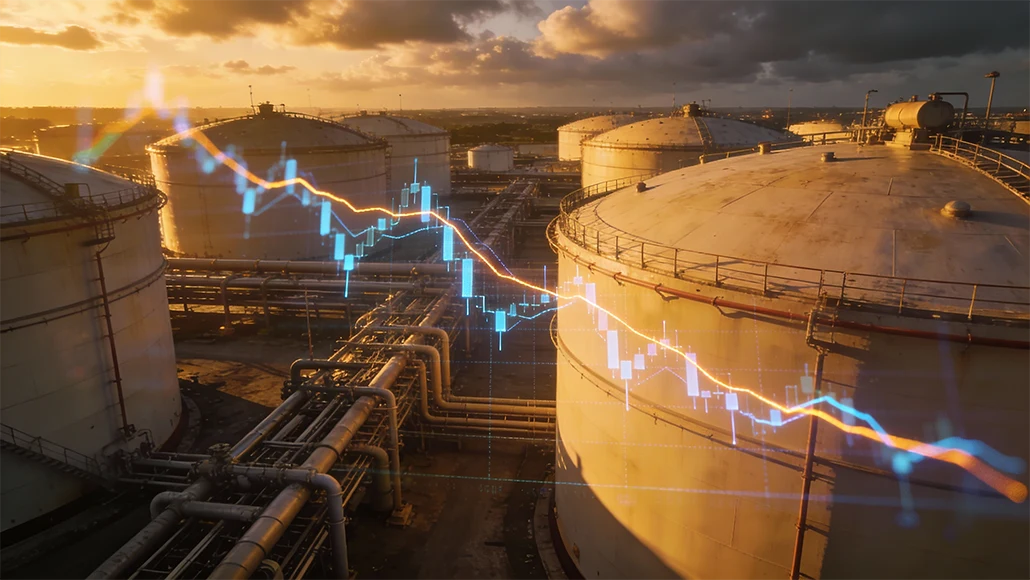
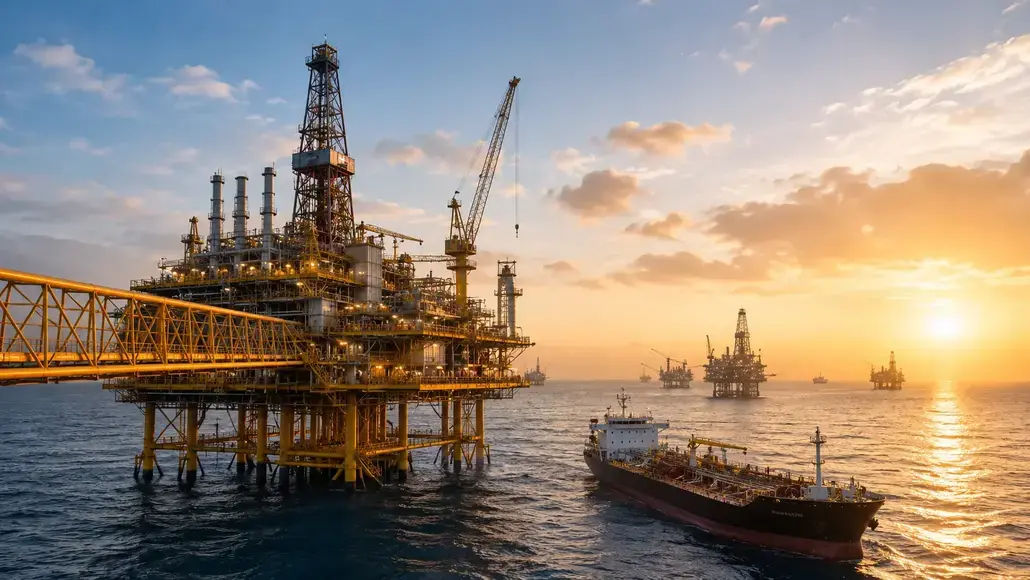
- Midstream: This sector could experience a boom. An all-out production push would create immense demand for storage facilities as a supply glut builds. Similarly, the tanker market would benefit from the need to move millions of extra barrels from the Persian Gulf to consumers in Asia, Europe, and the Americas. Pipelines in consuming regions would also see higher, more consistent throughput.
- Downstream & Petrochemicals: This segment would be a clear winner. Refiners would see their primary feedstock, crude oil, become significantly cheaper, leading to a dramatic expansion in gross refining margins. The same logic applies to the petrochemical industry, which uses oil and gas derivatives like naphtha as feedstock. Lower input costs would boost profitability and could spur investment in new crackers and derivative plants.
This internal industry disruption highlights how a strategic decision at the cartel level can fundamentally re-engineer the economics of the entire supply chain.
A Catalyst for the Energy Transition
Perhaps the most complex and debated consequence of a UAE exit would be its impact on the global energy transition. The outcome is paradoxical, with compelling arguments on both sides.
On one hand, a prolonged period of low and volatile oil prices could accelerate the transition. The extreme uncertainty would make multi-billion dollar, decade-long investments in new fossil fuel projects appear far riskier. Capital may instead flow towards the perceived safety and predictable returns of renewable energy projects like wind and solar, which are insulated from commodity price swings. Major international oil companies (IOCs), facing diminished returns from their core business, might be forced to pivot more aggressively into low-carbon energy.
Conversely, an era of cheap oil could decelerate the transition. Inexpensive gasoline and diesel would reduce the economic incentive for consumers and businesses to switch to electric vehicles or invest in energy efficiency. For developing nations in Asia and Africa, cheap and abundant crude oil would be a powerful engine for economic growth, pushing decarbonization goals further down the priority list. A thorough analysis of the UAE’s exit from OPEC must therefore acknowledge this double-edged sword: it could either cripple the financing of future oil projects or entrench global fossil fuel dependency for another generation.
Conclusion
The departure of the United Arab Emirates from OPEC would be far more than a simple exit from an organization. It would be the end of an era. It would shatter the decades-old paradigm of collective supply management and usher in a new, more competitive, and unpredictable age of every producer for themselves. The immediate consequences, a price war, heightened volatility, and immense pressure on high-cost producers, are clear. But the deeper implications, from the reconfiguration of global alliances to the re-engineering of the industry’s value chain and the uncertain impact on the energy transition, are even more profound. While the UAE remains a member for now, the mere plausibility of this scenario serves as a stark reminder that the foundations of the global oil market are not as stable as they appear. Industry leaders must begin planning for a future where old alliances crumble and new, independent powers rise.
