






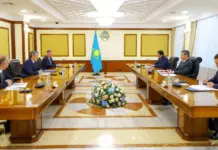
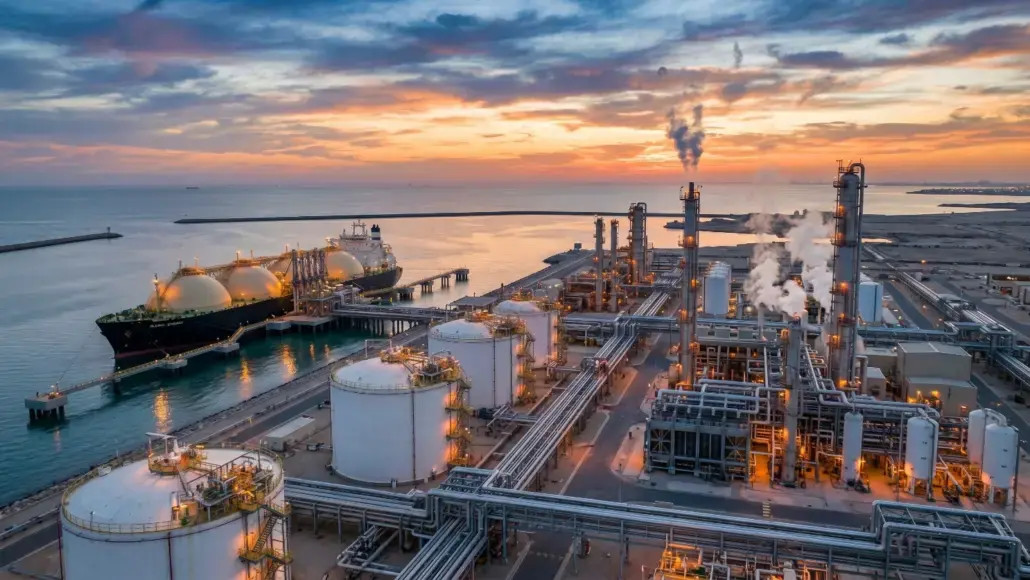
The Ministry of Oil in Kuwait convened a virtual panel discussion on 24th May 2026, titled “Key Developments in Liquefied Natural Gas and Hydrogen,” in collaboration with the Arab Energy Organization. The session delved into prevailing global energy trends and the escalating significance of alternative energy sources such as LNG and hydrogen within the international energy landscape. This discussion underscored Kuwait’s proactive approach to managing its energy future.
Sheikha Tamadher Khaled Al-Ahmad Al-Jaber Al-Sabah, Director of Public Relations and Petroleum Media at the Ministry of Oil, highlighted Kuwait’s increasing commitment to expanding the utilization of natural gas in electricity generation. This strategic initiative aims to improve energy efficiency, enhance environmental performance, and optimize overall fuel consumption across the nation. A central component of this strategy involves the development of robust infrastructure.
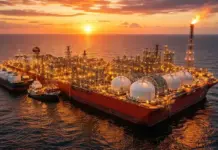
Key infrastructure projects, notably the liquefied natural gas (LNG) import facilities in the Al-Zour area, were recognized as a critical element in supporting the country’s power and water generation needs. These facilities are designed to strengthen the resilience and sustainability of Kuwait’s energy system, aligning with the growing domestic demand for electricity and energy. Such developments are crucial for aligning with global transformations in the energy sector and fostering a more efficient and sustainable energy mix.
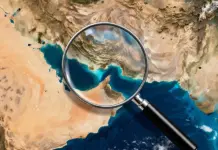
The panel also addressed the dynamic global energy market. Wael Abdel-Moaty, a gas industry expert at the Arab Energy Organization, noted significant structural shifts in the global energy market during the first quarter of 2026. These shifts were partly attributed to disruptions in liquefied natural gas shipments navigating the Strait of Hormuz. This period also saw a surge in investment and contracting activity, driven by heightened international concerns regarding supply security and the imperative for energy diversification.
The United States solidified its position as the leading global natural gas exporter, capturing approximately 29 percent of the market share, largely benefiting from the disruptions affecting exports through the Strait of Hormuz. Abdel-Moaty emphasized the sensitivity of LNG trade to strategic maritime routes, stating that interruptions to navigation through the Strait impacted nearly 19 percent of global LNG trade. This underscored the vital role of maritime security in maintaining market stability.
In contrast, Arab countries experienced a decline in LNG exports exceeding 24 percent during the first quarter of 2026. This reduced the region’s market share to below 20 percent, a notable decrease from its previous standing of around 25 percent, following recent geopolitical developments. These shifts highlight the complex interplay of global events on energy trade flows.
Gas-importing nations implemented various strategies to navigate supply fluctuations. Countries like India prioritized essential gas-consuming sectors, including residential use and transportation. Meanwhile, Japan and South Korea eased restrictions on alternative energy sources, such as coal, to alleviate pressure on their gas consumption. The European Commission advised a cautious approach to managing stockpiling efforts to prevent additional price pressures.
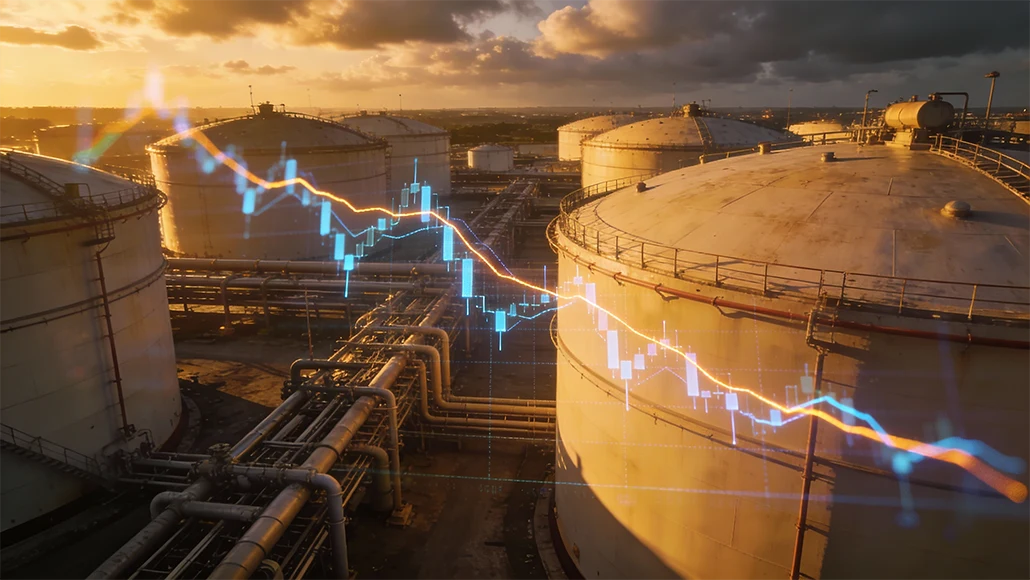
Despite these measures, the spot market for LNG experienced a significant surge. Prices climbed by over 60 percent in March 2026 compared to February, reaching $18 per million British thermal units (MMBtu). The Arab Energy Organization forecasts that global LNG supplies will reach approximately 435 million tons in 2026, representing a modest growth of only 1 percent compared to earlier projections of 8 percent. This downward revision is attributed to concerns over supply shortages and the risks associated with strategic shipping routes.
The discussion also turned to hydrogen, a critical component of the global energy transition. Abdel-Moaty reported that global political momentum continues to accelerate, with around 65 countries now having adopted national hydrogen strategies. These strategies represent a significant portion of the global economy, approximately 85 percent, and account for about 80 percent of global carbon dioxide emissions.
The session was attended by representatives from the Ministry of Electricity, Water and Renewable Energy, the Environment Public Authority, the Arab Energy Organization, and students from Kuwait University’s College of Engineering and Petroleum, signifying a broad engagement with these critical energy topics.
