



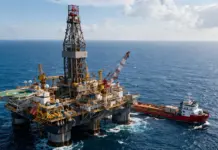




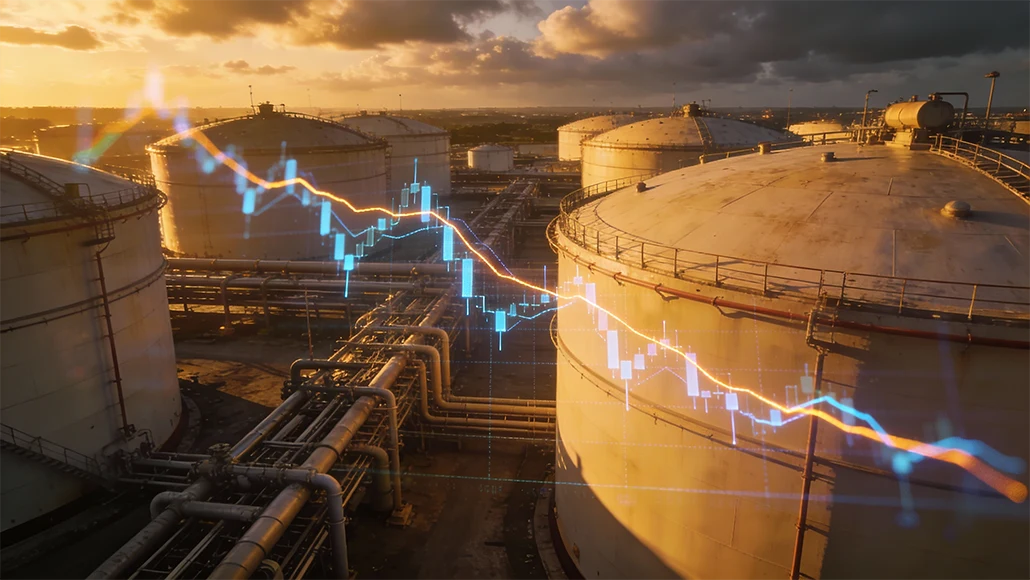
Plummeting oil prices will cause cash flow for the global integrated oil & gas industry to contract by 20% or more for 2015, with only a modest recovery expected in 2016, say Moody’s Investors Service.
This reflects the rating agency’s expectation of continued revenue declines and a negative free cash flow profile for the industry in 2015. Moody’s outlook for the global integrated oil and gas industry will remain negative into 2016.
Global crude oil prices have fallen by more than 50% since mid-2014, putting a major squeeze on the industry’s earnings. While companies like Shell, Total and BP have responded by cutting capital spending cuts and reducing costs, Moody’s still expects the industry to face a negative free cash flow position of nearly $80 billion for the rest of 2015, compared with $26 billion in 2014.
Moody’s report, entitled “Integrated Oil & Gas Industry – Global Negative Free Cash Flow Pressures Integrated Oil Credit Profiles†is available on www.moodys.com.
“We have revised our oil price outlook down several times since late 2014 and expect oil and gas prices to stay near recent low levels well into 2016, which will aggravate the industry’s negative free cash flow profileâ€, says Thomas Coleman, a Moody’s Senior Vice President and author of the report.
Moody’s expects the industry to further reduce capital spending despite cuts already taken, with sharper reductions likely to take place in 2016.
Companies continue to re-phase, defer and cancel high cost projects as prospects dim for price recovery in 2016.
Inflationary pressures and high industry costs are starting to adjust to lower oil and gas prices, with operating costs and margins expected to normalise by mid-to-late 2016. The integrated oil companies are focused on operating costs and staff reductions and have pricing power in an oversupplied market to capture lower rig day rates and supply chain and other efficiencies to bring down costs.
Moody’s expects that the industry’s total debt load will increase, with cash balances declining as companies sell assets to cover dividends and capital spending, although most companies have resisted dividend cuts so far. While some companies such as Shell, Chevron and Statoil face sizeable debt increases, most players are well positioned to absorb a rise in leverage. Many are also pursuing sizeable asset sales to cover the cash flow gap and enhance capital discipline.