






















In the high-stakes world of upstream oil and gas, the interval between a discovery and the delivery of the first barrel of oil is the most critical phase for any project’s economic viability. This period, often fraught with logistical hurdles and supply chain bottlenecks, determines the net present value of the asset. One of the most significant yet often overlooked strategies to compress this timeline is the strategic utilization of existing resources. Specifically, a surplus tubular supply accelerates first oil by eliminating the lengthy lead times associated with traditional mill orders. When operators can bypass the months of manufacturing and international shipping typically required for casing and tubing, they unlock a level of operational speed that transforms the project’s financial outlook and secures early production milestones.
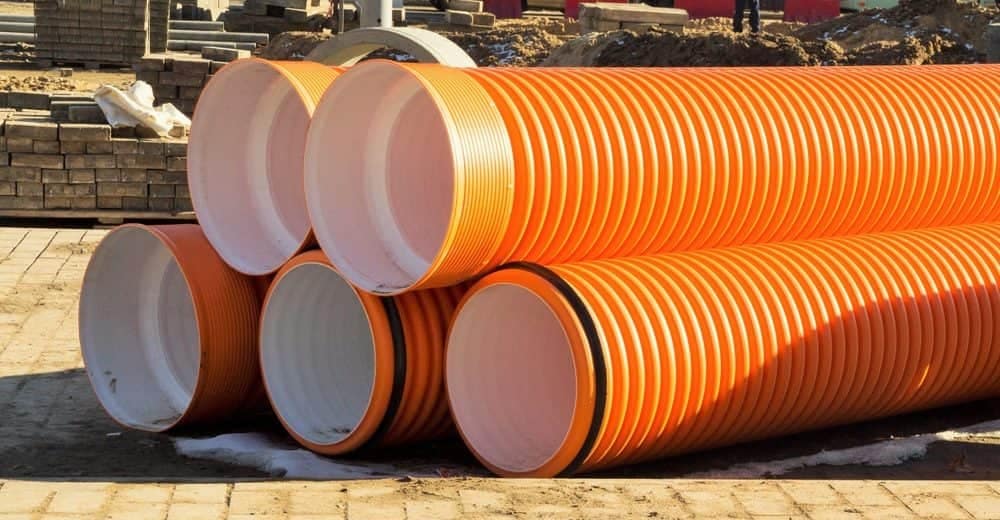
Reflecting on my fifteen years in the energy sector, I have seen numerous projects stalled not by a lack of sub-surface potential, but by the rigidities of the surface supply chain. The traditional procurement model for Oil Country Tubular Goods (OCTG) relies heavily on forecasting and mill capacity, which can be highly volatile. In contrast, the availability of surplus tubulars provides an immediate solution. These materials are already manufactured, often sitting in regional yards, ready for inspection and deployment. By integrating these high-quality, pre-existing assets into their drilling programs, operators can move from planning to spudding in a fraction of the time. This shift from a “wait-for-mill” to a “ready-to-drill” mindset is essential for modern operators who face increasing pressure to deliver results in shorter cycles.
The Strategic Advantage of Immediate Procurement
The most immediate impact of utilizing surplus inventory is the dramatic reduction in procurement lead times. In a standard cycle, ordering specialized casing from a mill can take anywhere from six to twelve months, depending on global demand and raw material availability. Such delays are often incompatible with the fast-paced nature of modern unconventional plays or the urgent need to maintain leasehold commitments. By sourcing through a surplus tubular supply, an operator can secure the necessary inventory in a matter of days or weeks. This speed allows for a much more responsive drilling schedule, enabling teams to capitalize on favorable market conditions or rig availability without the threat of material shortages.
This acceleration is not merely about convenience; it is a fundamental shift in risk management. Long lead times force operators to make procurement decisions based on forecasts that may be months old. If the well design changes or market prices fluctuate, the operator may be stuck with expensive inventory that no longer fits their needs. Sourcing surplus materials allows for “just-in-time” procurement that is much more closely aligned with actual field requirements. This agility reduces the capital tied up in long-term inventory and minimizes the risk of obsolescence, creating a leaner and more efficient upstream organization that is primed for rapid execution.
Enhancing Logistics and Upstream Workflow
Beyond the initial purchase, the logistics of moving materials to the wellsite are significantly streamlined when using surplus supply. Because these tubulars are typically located in domestic or regional hubs, the transportation distance is drastically reduced compared to shipments coming from overseas mills. This proximity allows for better coordination between the supply chain and the drilling team. Logistics providers can manage smaller, more frequent deliveries that match the rig’s daily consumption, reducing the need for large, cluttered staging areas at the wellsite. This organized flow of materials is a key component of a high-performing upstream operation, as it reduces the likelihood of handling damage and improves overall safety on the rig floor.
Furthermore, the shorter transit times associated with regional surplus stock mean that the entire supply chain is less vulnerable to global shipping disruptions. We have all seen how port congestion or geopolitical events can derail even the best-laid plans. By sourcing surplus tubular supply, operators insulate their projects from these external shocks. This stability is crucial for maintaining the momentum of a multi-well drilling program, where any delay in material delivery can cause a ripple effect that shuts down rigs and displaces crews. A reliable and localized supply of tubulars ensures that the drilling machine keeps moving, pushing the project toward its first oil delivery with relentless consistency.
Quality Assurance and Regulatory Compliance
A critical aspect of using surplus materials is ensuring they meet the same rigorous standards as mill-fresh products. It is a common misconception that surplus implies “used” or “inferior.” In the professional OCTG market, surplus tubulars are often unused materials from cancelled projects or overstock that have been kept in climate-controlled environments. To ensure integrity, these materials undergo a comprehensive suite of inspections, including full-body ultrasonic testing and thread gauging. Every joint is accompanied by its original Material Test Report (MTR), providing a complete history of its manufacture and properties. This level of transparency ensures that the use of surplus inventory does not compromise well integrity or regulatory compliance.
From an engineering perspective, the ability to select from a diverse range of existing surplus inventory allows for greater flexibility in well design. Instead of being constrained by what a mill can produce in the next six months, engineers can search the global surplus market for the exact specifications needed for a particular wellbore environment. This “matching” process often results in a more optimized well design, as engineers can access high-performance alloys or specialized connections that might otherwise be unavailable due to production backlogs. This technical excellence, combined with the speed of procurement, is why surplus tubular supply is becoming a preferred choice for leading upstream operators.
Economic Impact and Project NPV
The financial benefits of accelerating first oil delivery are profound. In the oil and gas industry, time is quite literally money. Every month that production is moved forward increases the Net Present Value (NPV) of the project by improving the timing of cash inflows. By using surplus tubulars to shave six months off a project timeline, an operator can significantly improve the internal rate of return (IRR) for their investors. This is particularly important in high-cost environments or for offshore projects where the daily burn rate of equipment is astronomical. The cost savings from reduced rig standby time alone can often offset the entire cost of the tubulars.
Moreover, the use of surplus inventory allows for more efficient capital allocation. Instead of tying up millions of dollars in down payments for mill orders that won’t arrive for a year, companies can use that capital for other value-generating activities, such as further exploration or infrastructure development. This flexibility is a hallmark of a mature and sophisticated financial strategy. By treating the supply chain as a lever for financial performance, operators can achieve a competitive advantage that goes beyond their technical capabilities in the field. The strategic integration of surplus tubular supply is, therefore, an essential tool for maximizing shareholder value in a volatile market.
Sustainability and the Circular Economy
Finally, the use of surplus tubulars aligns with the growing industry focus on sustainability and environmental, social, and governance (ESG) goals. Utilizing existing materials is a form of industrial recycling that reduces the demand for new steel production, which is one of the most carbon-intensive manufacturing processes in the world. By extending the lifecycle of already-manufactured goods, the oil and gas industry can reduce its overall environmental footprint. This “circular economy” approach is increasingly valued by investors and regulators alike, as it demonstrates a commitment to resource efficiency and responsible management.
In my view, the future of the upstream supply chain lies in this integration of speed, technical precision, and environmental stewardship. The companies that will thrive in the coming decades are those that can think creatively about their resource needs and leverage every available tool to optimize their operations. Surplus tubular supply is more than just a backup plan; it is a strategic asset that, when managed correctly, accelerates first oil and sets the stage for long-term project success. As we continue to push the boundaries of what is possible in the energy sector, the lessons of supply chain agility will remain at the forefront of our collective progress.
