





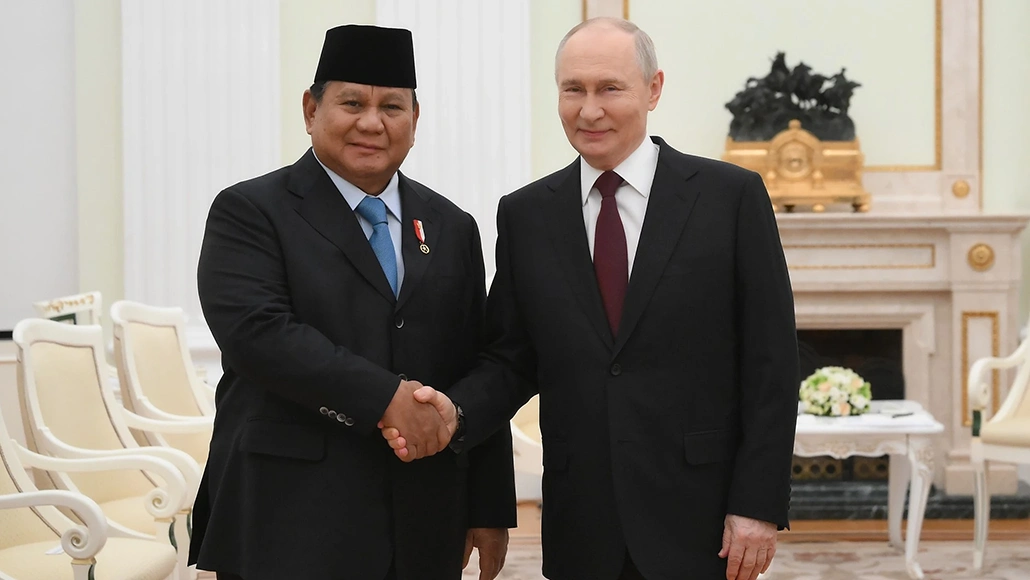
Indonesia is stepping up its energy cooperation with Russia as part of efforts to safeguard domestic supply stability, according to a government statement released on 14th April 2026. The move follows a meeting between Indonesian President Prabowo Subianto and Russian President Vladimir Putin in Moscow, where discussions centered on strengthening bilateral ties. This renewed energy cooperation comes at a time when Indonesia is seeking to diversify supply sources amid disruptions linked to ongoing geopolitical tensions.
The country has been actively pursuing alternative energy procurement channels after shipments from the Middle East were affected by US and Israeli attacks on Iran, which led to the effective closure of the Strait of Hormuz, an essential route for much of Asia’s energy trade. As Southeast Asia’s largest economy, Indonesia relies heavily on imports, with approximately 60 percent of its fuel requirements sourced externally. Around 20 percent of its imported oil and LPG originates from the Middle East, highlighting the urgency behind expanding energy cooperation with other partners.
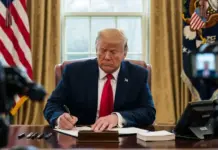
During the Moscow meeting, Prabowo and Putin explored opportunities to deepen economic and energy cooperation while addressing uncertainties arising from the war on Iran. In addition to energy-related discussions, both sides agreed to advance collaboration in technology research and agriculture, alongside exploring further investment prospects in Indonesia’s industrial sector. Indonesia’s Energy and Mineral Resources Minister Bahlil Lahadalia emphasized that Prabowo’s visit formed part of Indonesia’s actions to bolster energy diplomacy to stabilize domestic supplies amid global supply disruptions.
Despite rising fuel prices across several Asian markets as a result of the Middle East conflict, Indonesia has managed to maintain price stability for its consumers. As part of broader preventive measures to manage the global supply crisis, the government has introduced a policy designating Fridays as a remote workday for civil servants starting this month. At the same time, Indonesia has diversified its import sources, securing fuel supplies from countries including Nigeria, Angola and Brazil since the onset of the war on Iran.
The broader geopolitical backdrop also shaped the discussions, with Prabowo consulting Putin on the “global geopolitical situation” during the visit. These engagements reflect Indonesia’s strategic approach to navigating global uncertainties while reinforcing energy cooperation and ensuring the resilience of its domestic energy system.
