





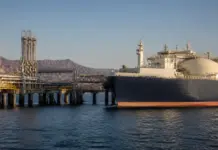













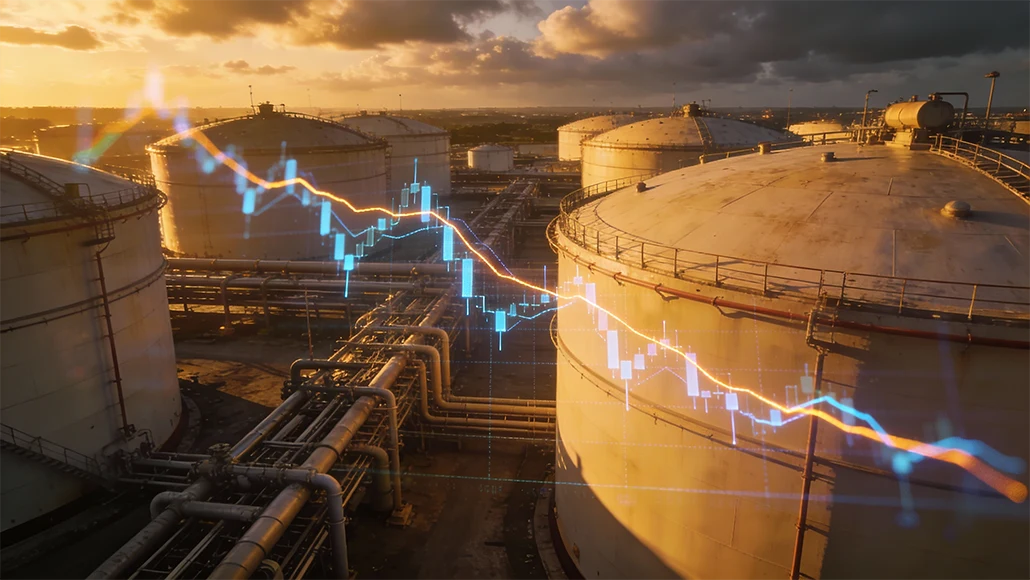
The South Riding Point crude oil storage and transshipment terminal, also known as the Bahamas terminal, is situated at Grand Bahama Island. South Riding Point operates the terminal.
Initially, South Riding Point Terminal (SRPTL) leased the terminal from the Bahamian government agency Bahamas Agricultural & Industrial Corporation.
In 1989, Canada’s World Point Terminal (WPT) acquired the terminal facility for storage of crude oil bound for North America and as a break-bulk point for transshipment operations.
However, the company agreed to sell the terminal, along with a 50% interest in Freepoint Tug and Towing Services, to StatoilHydro for $263.2m in July 2009. StatoilHydro plans to upgrade the terminal’s facilities to blend all kinds of crude oils.
Sale agreement with StatoilHydro
The transaction is expected to be complete by October 2009.
“StatoilHydro plans to upgrade the terminal’s facilities to blend all kinds of crude oils.”
In case of failure to complete by the scheduled time, the agreement will be considered terminated unless the deadline is extended.
However, completion of the agreement depends on factors including an extension of the lease with the Bahamian Government, due diligence investigation, approval from several Bahamian government agencies, and corporate restructuring being completed to WPT’s satisfaction.
Storage and transshipment
SRPTL is one of the closest storage and transshipment facilities providers to the US and has a total storage capacity of around 5.25 million barrels.
Apart from storage and transshipment of crude oil, the terminal’s revenue sources include tug operations, fees collected at terminals and marine service charges.
Transshipment operations allow crude oil to be transferred from large and ultra large crude carriers to smaller shuttle size vessels. Vessel-to-vessel transshipment can also be carried out between berths.
The crude oil is finally delivered through smaller shuttle-size vessels as the US, Gulf and East Coast ports have comparatively shallow water access.
Infrastructure
The terminal houses a crude oil tank farm onshore. Two 36in submarine pipelines connect the onshore tank farm to the Sea Island offshore docking facility.
The onshore facility comprises ten large crude oil storage tanks with a capacity for 6.75 million barrels. The offshore facility, Sea Island, facilitates the safe berthing of different sized oil tankers ranging between ships over 500,000t at water depths of 105ft and 30,000 to 150,000 deadweight tons in water depths of 85ft.
“SRPTL has a total storage capacity of around 5.25 million barrels.”
The crude oil is transferred between the storage tanks and vessels at hourly flow rates of up to 100,000 barrels from the sea island command centre.
The construction of two new tanks, each with 750,000 barrels capacity, was completed in 2008. Repair work to an offshore jetty that was damaged by hurricanes in 2004 and 2005 was completed in 2008.
Environmental impact/pollution control
The South Riding Point terminal has on-site capability for launches and tugs that are fitted with beach clean-up equipment, dispersant spraying equipment and containment booms. The company employs an anti-pollution mechanism to monitor and take suitable action against pollution calls that are brought to its notice.
South Riding Point Terminal, Bahamas
AI Summary