






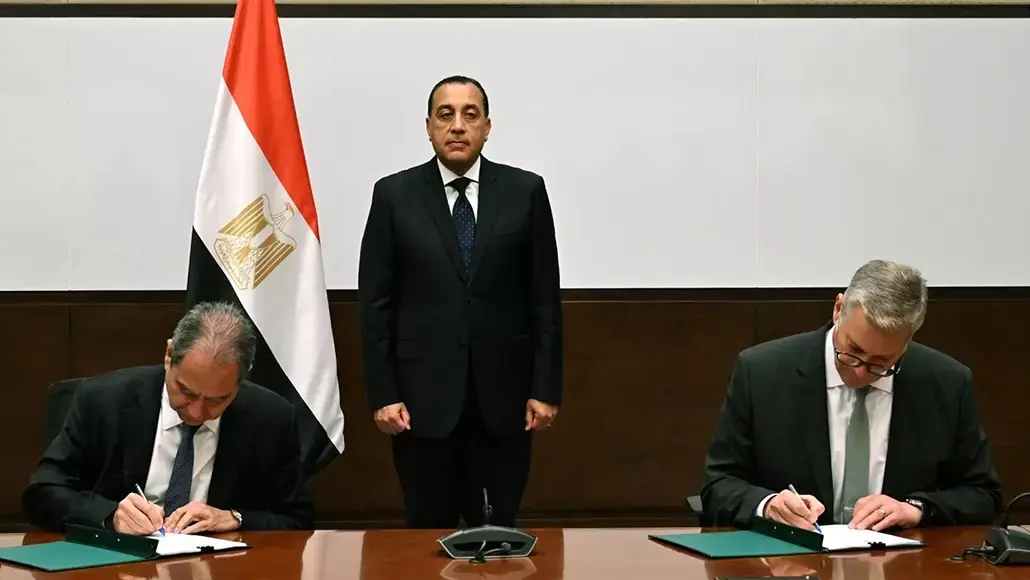
Egypt and Lebanon have formalized a significant energy cooperation agreement, with Cairo pledging to support the rehabilitation of Lebanon’s gas pipelines and associated infrastructure. This accord signifies a renewed commitment to bolstering Lebanon’s energy sector, which has faced considerable challenges. The signing ceremony, attended by Prime Minister Mostafa Madbouly on 6th April 2026, at the government headquarters in Egypt’s New Administrative Capital, saw the Egyptian Petroleum Minister Karim Badawi and Lebanese Energy Minister Joe Saddi affix their signatures to the pact.
Prime Minister Madbouly highlighted that this gas infrastructure agreement is a direct outcome of his visit to Beirut in December, emphasizing Egypt’s dedication to assisting Lebanon in overcoming its energy-related hurdles and securing dependable energy provisions. The discussions also encompassed expanding bilateral cooperation within the broader energy sector. Minister Badawi characterized the gas infrastructure revival deal as a crucial stride in fortifying collaboration in the oil and natural gas domains, contributing positively to regional energy security.
This development follows closely on the heels of another regional energy initiative. Just days prior, Jordan, Syria, and Lebanon announced a collaborative plan to revitalize the Arab Gas Pipeline. This established energy artery connects Egyptian gas supplies to the Levant. Under this trilateral arrangement, Jordan is set to leverage its infrastructure to import liquefied natural gas, process it into natural gas, and then transmit it to Syria and Lebanon via the pipeline.
The Arab Gas Pipeline, a substantial undertaking stretching over 1,200 kilometers, was originally conceived to channel Egyptian natural gas to countries across the Levant, with aspirations for further distribution to Europe. The pipeline’s operations experienced significant disruptions post-2011, influenced by the prevailing circumstances in Syria and international sanctions. The lifting of these restrictions paved the way for renewed regional energy infrastructure projects. The deal to revitalize Lebanon’s gas infrastructure is a testament to the ongoing efforts to revitalize these vital energy pathways and enhance the overall energy infrastructure in the region. This focus on energy infrastructure is paramount for the sustained growth of the energy sector.
