








AI Summary
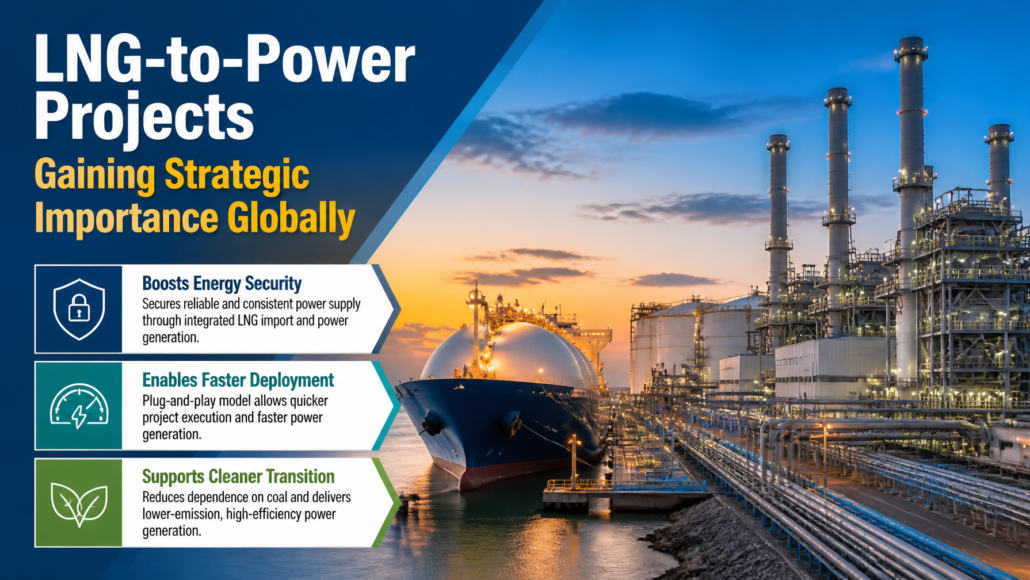
The global energy landscape is increasingly defined by the rise of integrated LNG-to-power projects, a trend that is transforming how emerging and developed economies alike approach electricity generation. By combining liquefied natural gas import terminals with high-efficiency gas-fired power plants, these projects provide a plug-and-play solution for nations looking to rapidly enhance their energy security and reduce their reliance on carbon-intensive coal. This integrated model eliminates the logistical complexities and investment risks associated with developing separate gas and power infrastructures, offering a streamlined pathway to industrialization and decarbonization. As the global demand for reliable, flexible, and lower-carbon electricity continues to grow, the strategic importance of these projects has moved to the center of international energy policy.
Operational Synergies and Environmental Advantages
At the heart of the LNG-to-power model is the synergy between the regasification terminal and the power generation facility. The terminal provides a consistent and secure supply of natural gas, while the power plant offers a stable and predictable demand for the fuel. This vertical integration allows for greater operational efficiency and better risk management across the entire value chain.
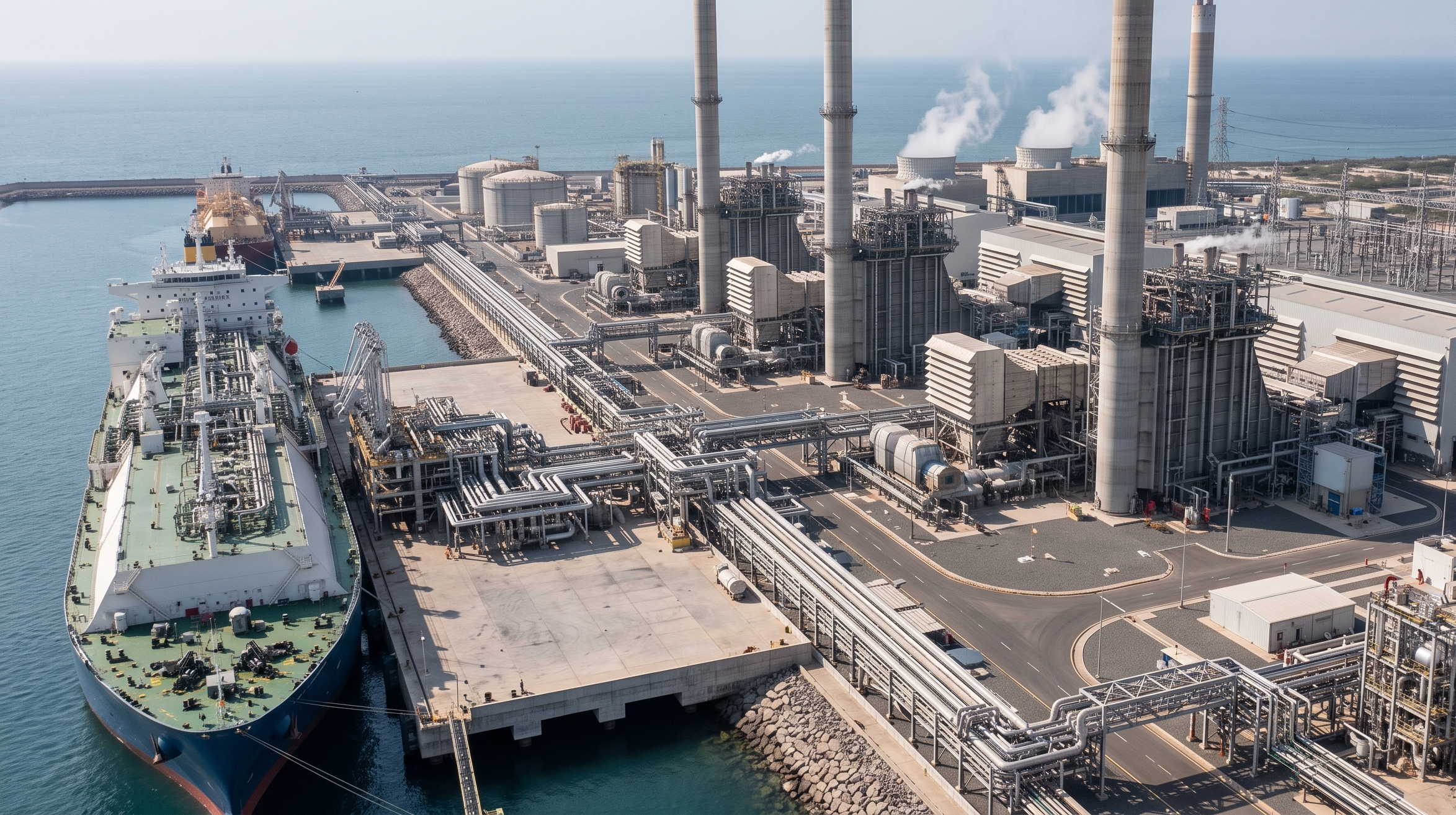
Furthermore, modern gas-fired power plants, particularly those utilizing combined-cycle gas turbine (CCGT) technology, are significantly more efficient than traditional coal plants, emitting up to 50% less carbon dioxide and negligible amounts of sulphur and particulate matter. This makes LNG-to-power an ideal bridge technology for nations transitioning toward a net-zero future while still requiring reliable baseload power.
Floating Regasification as a Speed Enabler
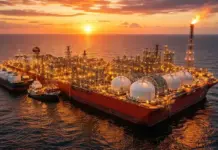
The role of Floating Storage and Regasification Units (FSRUs) in these integrated projects is particularly noteworthy. FSRUs offer a faster and more flexible alternative to permanent onshore terminals, allowing power plants to be brought online in a fraction of the time. In Brazil, for instance, the Barcarena LNG terminal, which became operational in early 2024, utilizes an FSRU to provide the fuel for a massive new power generation complex. This approach has allowed the region to quickly enhance its energy security and support a growing industrial cluster without the need for extensive coastal infrastructure development. The agility of the FSRU model is a key driver of the global growth in LNG-to-power projects, particularly in regions with urgent energy needs.
Innovative Financial Structures and Integrated Contracting
Moreover, the integration of these projects is driving a shift in how energy contracts are structured. ‘Power Purchase Agreements’ (PPAs) are now being linked directly to gas supply contracts, creating a seamless financial framework for the entire project. This integrated contracting model reduces the credit risk for investors and provides greater certainty for both the fuel supplier and the power consumer. It also allows for more flexible pricing mechanisms that can reflect the unique characteristics of the local power market. The evolution of these financial instruments is as critical to the success of the LNG-to-power sector as the technical innovations in gas turbines and regasification units.
The Philippines Securing Baseload Reliability with Advanced Turbines
A landmark development in this sector was solidified in June 2026, when Mitsubishi Power secured a long-term parts and services agreement (LTPSA) for the 1,278-megawatt Ilijan combined-cycle power plant in the Philippines. This facility, a key component of the country’s integrated gas-to-power infrastructure, relies on Mitsubishi Power’s advanced gas turbine technology to provide a reliable supply of electricity to the Luzon grid. The agreement underscores the critical role that specialized engineering and maintenance services play in the long-term success of LNG-to-power projects, ensuring that these massive assets operate at peak efficiency and reliability for decades to come. The Ilijan plant is a vital part of the Philippine energy sector, and its continued performance is essential for supporting the country’s economic growth. The LTPSA with Mitsubishi Power provides the facility with access to the latest technological upgrades and expert support, highlighting the long-term commitment required to manage large-scale energy infrastructure.
Brazil: Scaling Regional Industrialization in Pará
In addition to the Ilijan project, the Barcarena terminal in Brazil serves as a prime example of the integrated model in action. New Fortress Energy’s 6 MTPA terminal, which became operational in February 2024, is paired with a 1.6 GW power plant that is currently under construction. This complex will provide reliable electricity to the state of Pará for the next 15 years, supporting the regional mining industry and improving energy access for millions of people. The project demonstrates the scale and impact that integrated LNG-to-power can have on emerging markets, providing a blueprint for similar developments around the world. The successful commissioning of the Barcarena terminal was a major milestone for New Fortress Energy and for the Brazilian energy sector.
Upstream Decarbonization and Maritime Innovations
The integration of these projects is also fostering a new era of maritime innovation. The fact that onboard carbon capture decarbonizing LNG supply chain operations is becoming a reality ensures that the entire transport phase of the LNG-to-power supply chain is addressed. By reducing the overall carbon intensity of the fuel delivered to the power plant, these technologies enhance the environmental credentials of the entire project. This systemic approach to sustainability is essential for maintaining public and investor support for large-scale natural gas infrastructure in an increasingly carbon-conscious world. The synergy between upstream decarbonization and downstream power generation is a defining characteristic of the modern energy transition.
Catalyst for Economic Expansion in Emerging Markets
Furthermore, the rise of LNG-to-power is driving significant economic development in emerging markets. In countries across Southeast Asia, Latin America, and Africa, these projects are providing the energy needed to support expanding industrial sectors and improve the quality of life for millions of people. The reliable and affordable electricity generated by these facilities is a prerequisite for the growth of manufacturing, digital services, and modern infrastructure. Moreover, the construction and operation of these massive projects create thousands of high-skilled jobs and stimulate local economies, providing a broad-based developmental benefit that extends far beyond the energy sector.
Stabilizing the Grid for Large-Scale Renewable Integration
The flexibility of gas-fired power is also proving to be a critical asset for integrating large-scale renewable energy into the grid. As nations increase their share of intermittent solar and wind power, they require flexible, fast-acting generation capacity to balance the system and ensure grid stability. Gas turbines, which can be ramped up or down quickly in response to fluctuations in renewable output, are the perfect complement to a high-renewables grid. This role as a grid stabilizer further enhances the strategic value of LNG-to-power projects, ensuring that they remain a vital component of the energy mix even as the share of zero-carbon electricity continues to rise.
Digital Twins, AI, and Asset Optimization
The technical sophistication of these projects is also driving innovation in digital management and automation. Modern LNG-to-power facilities are increasingly utilizing digital twin simulations and AI-driven predictive maintenance to optimize their operations and minimize downtime. These tools provide operators with real-time insights into the health and performance of every component of the system, from the regasification units to the gas turbines and generators. This digital layer of the infrastructure is essential for managing the complex interplay between fuel supply, power generation, and grid demand, ensuring that the facility operates as efficiently and reliably as possible.
Navigating Multi-Stakeholder Coordination and Delivery
However, the successful delivery of integrated projects requires a high degree of coordination between multiple stakeholders, including energy companies, equipment manufacturers, financial institutions, and government regulators. The massive capital requirements and long-term nature of these investments necessitate a stable and predictable regulatory environment, as well as a clear commitment to international standards for safety and environmental performance. The emergence of specialized project developers, such as New Fortress Energy, who can manage the entire value chain from fuel sourcing to power distribution, has been a major factor in the rapid growth of the sector. These companies provide the expertise and capital needed to bring complex projects to fruition in even the most challenging environments.
Future Outlook: Hydrogen Readiness, Carbon Capture, and Advanced Tech
Looking ahead, the importance of LNG-to-power projects will only continue to grow as the global community seeks to balance the need for energy security, economic growth, and environmental sustainability. The ongoing development of hydrogen-ready turbines, which can eventually transition to burning zero-carbon fuel, is a key focus for leading manufacturers like Mitsubishi Power and General Electric. By ensuring that today’s gas plants can be easily retrofitted for hydrogen, the industry is providing a long-term pathway to full decarbonization. Furthermore, the integration of carbon capture and storage (CCS) at the power plant site can further reduce the environmental impact of gas-fired generation, potentially making it a carbon-neutral or even carbon-negative source of power.
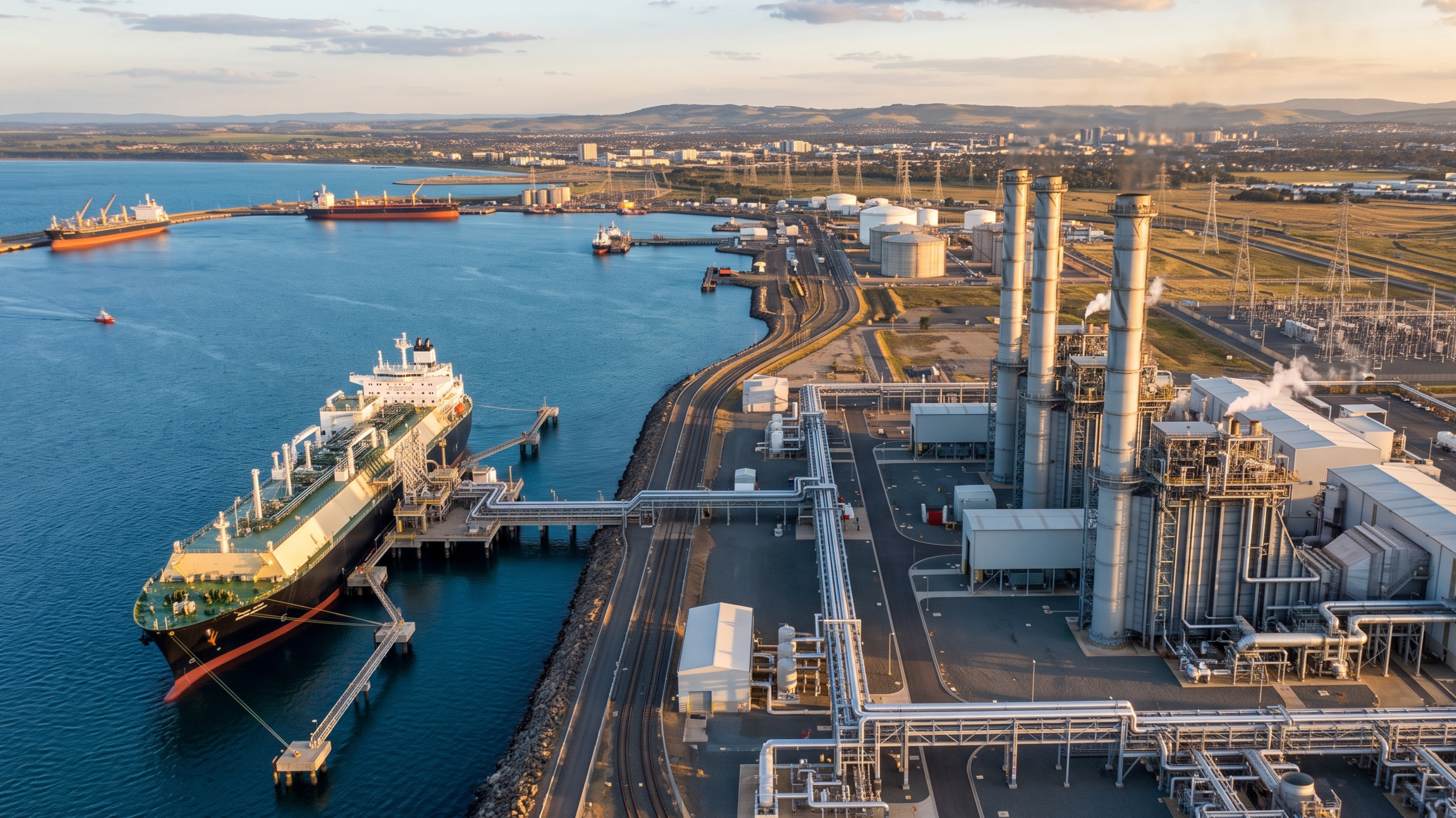
The expansion of digital management tools, including blockchain for fuel tracking and digital twins for real-time optimization, will further enhance the resilience and efficiency of integrated projects. These technologies provide a level of transparency and control that was previously unattainable, allowing for better coordination between fuel supply, power generation, and grid management. By prioritizing long-term stability and environmental responsibility, the global community is building a more resilient and sustainable foundation for the global energy system. The transition to integrated gas-to-power is not just a technological shift; it is a strategic imperative that will define the future of electricity markets for generations to come.
International Finance and Institutional Support
Finally, the role of international cooperation in supporting the growth of the sector is critical. Many LNG-to-power projects in emerging markets require support from international financial institutions and export credit agencies. By providing the necessary capital and risk mitigation, these organizations can help to unlock the full potential of the integrated model and ensure that the benefits of cleaner energy are shared globally. The collaboration between government, industry, and the financial sector will be the key to ensuring that LNG-to-power continues to be a driver of sustainable development and energy security for decades to come. The global commitment to infrastructure excellence will be the defining characteristic of the energy transition in the coming decades.
References
-
Mitsubishi Power Secures Long-Term Maintenance Deal for 1,200-MW Ilijan LNG Plant in Batangas, Boosting Philippines Power Reliability
-
LNGPH, Mitsubishi Power seal gas turbine support deal | Philstar.com
-
New Fortress Energy Places Barcarena LNG Terminal in Pará, Brazil into Operation | New Fortress Energy
-
New Fortress Energy Signs EPC Contract and Begins Construction of 1.6 GW Power Plant to Serve 15-Year Agreement in Brazil
