








AI Summary
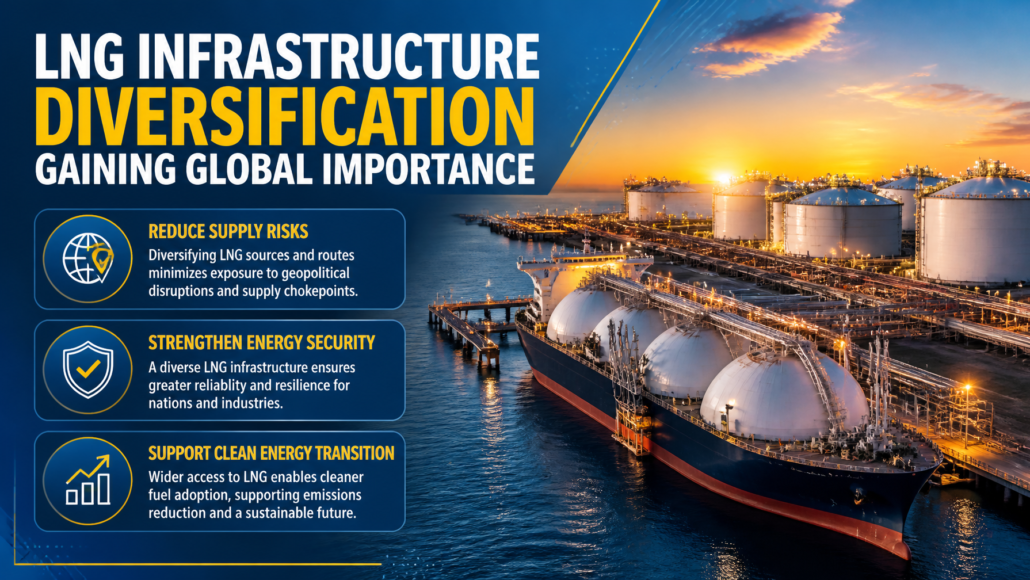
As the global energy paradigm continues to shift under the weight of geopolitical tension and the accelerating demand for cleaner fuel sources, the strategic imperative of LNG infrastructure diversification has moved to the forefront of international policy. The concentration of energy supply routes has historically been a point of vulnerability for both developed and developing nations. However, the current era is defined by a concerted effort to decentralize energy assets, ensuring that no single disruption, whether maritime, political, or environmental, can cripple a nation’s ability to provide heat and power to its citizens. This diversification is not just about building more terminals. It is about creating a multi-faceted network of pipelines, storage facilities, and regasification units that can adapt to a rapidly changing market.
The Strategic Rise of FSRUs
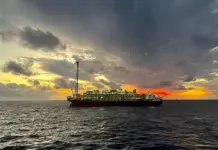
Oil & Gas Advancement notes that the move toward infrastructure diversity is particularly evident in the way developers are approaching new projects. Rather than focusing solely on massive, centralized hubs, there is a growing trend toward distributed assets that can serve regional markets with greater precision. This approach reduces the reliance on long-distance transmission and minimizes the carbon footprint associated with transport. Furthermore, the integration of floating storage and regasification units (FSRUs) has provided a flexible, rapidly deployable solution for nations that lack the long-term capital or the stable coastline required for permanent onshore facilities.
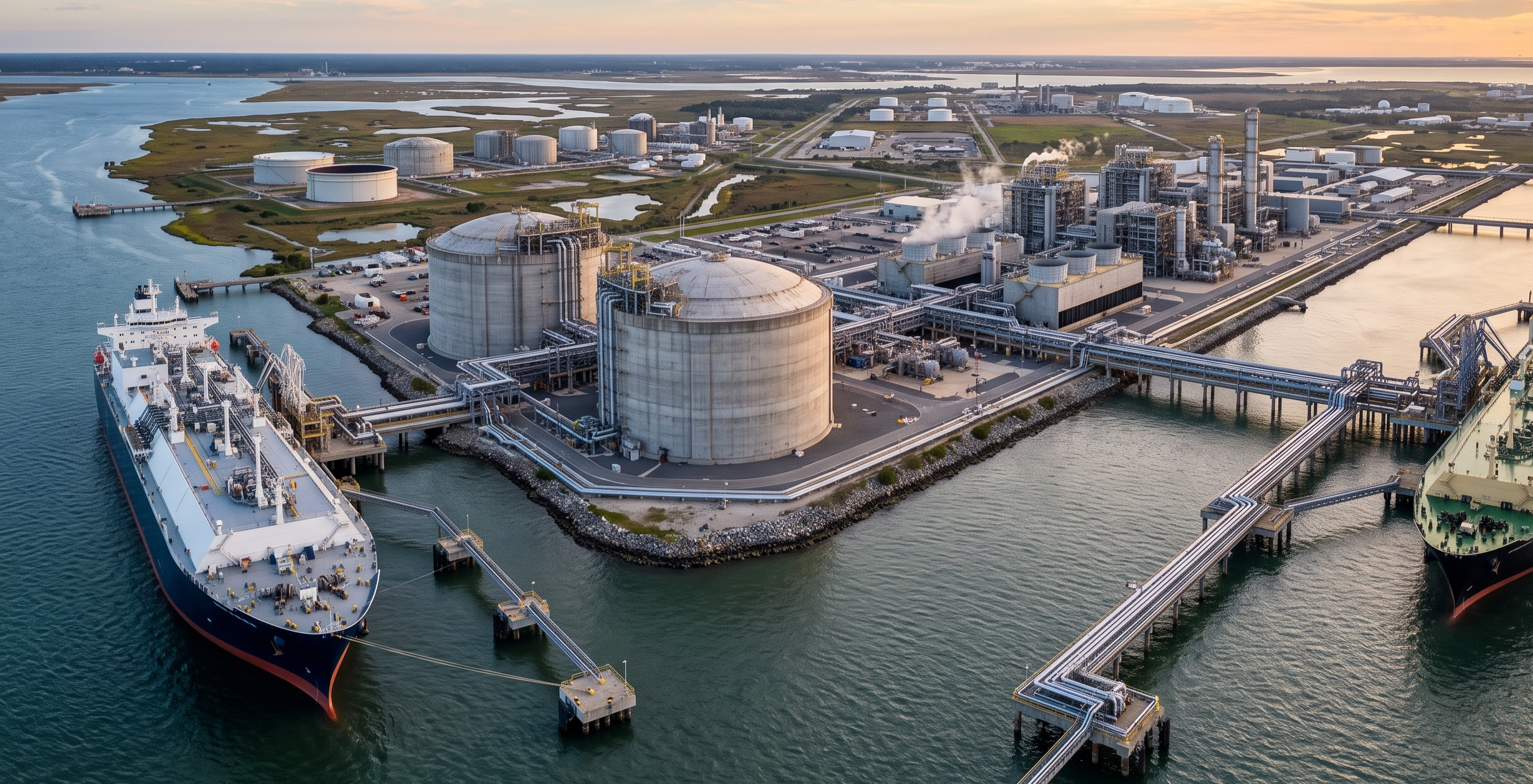
The FSRU market has become a critical component of the global diversification strategy, acting as a quick-response mechanism for emerging energy crises. These vessels, which can be repositioned and operationalized in a fraction of the time required for a traditional land-based terminal, offer a versatile solution for countries facing sudden supply shortages or looking to quickly diversify their energy imports. In Southeast Asia and parts of Africa, FSRUs are increasingly being utilized to provide immediate access to natural gas, bypassing the lengthy permitting and construction cycles that often delay infrastructure projects. This agility is essential in a world where energy demand can spike unexpectedly due to extreme weather events or sudden shifts in the geopolitical landscape.
Expanding Regional Hubs and Cross-Border Interconnection
Furthermore, the expansion of regional hubs is facilitating a more localized approach to energy security. By establishing smaller, strategically located terminals, nations can reduce their dependence on a few massive entry points. This not only improves resilience but also fosters economic development in areas that were previously underserved. In the Mediterranean, for example, the development of new regasification terminals in Greece and Italy is transforming the region into a gateway for gas destined for Central and Eastern Europe. This localized diversification is a key pillar of the broader strategy to create a more interconnected and robust energy network across the continent.
Thermodynamic Efficiency and Cold-Energy Utilization
The technical innovations driving this diversification are equally impressive. Modern terminals are incorporating advanced cooling and heating systems that maximize the efficiency of the regasification process. Some facilities are even utilizing the ‘cold energy’ generated during regasification to power nearby industrial processes or air conditioning systems, further improving the overall economic and environmental performance of the infrastructure. This circular approach to energy management is a testament to the sophistication of the modern LNG sector and its commitment to sustainable growth. As these technologies become standard, the case for infrastructure diversification becomes even more compelling.
Commercial Anchor: Port Arthur LNG Phase 2 FID
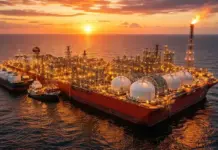
A landmark development in this sector occurred in September 2025, when Sempra Infrastructure Partners announced a final investment decision (FID) to advance the Port Arthur LNG Phase 2 project in Texas. This expansion, valued at approximately $14 billion, includes two natural gas liquefaction trains and an additional storage tank, significantly bolstering the facility’s overall capacity and providing a stable source of supply for international partners. The project is expected to create thousands of jobs during construction and provide a multi-decade boost to the regional economy, highlighting the socio-economic benefits that accompany large-scale energy infrastructure. This move by Sempra underscores the critical role that large-scale infrastructure plays in the broader strategy of LNG infrastructure diversification, providing the necessary redundancy and volume to stabilize international markets and ensure that gas can be delivered where it is needed most.
Operational Flexibility and Market Volatility Buffering
Port Arthur’s Phase 2 is not just about volume. It is about strategic flexibility. The facility is designed to accommodate a variety of vessel sizes, allowing it to serve both massive ocean-crossing tankers and smaller regional carriers. This versatility is a key component of the diversification blueprint, as it enables the facility to respond to the unique needs of different markets. Furthermore, the inclusion of state-of-the-art storage capacity allows the facility to act as a buffer, absorbing supply from domestic pipelines during periods of low demand and releasing it to the global market when prices are high. this storage capability is essential for managing the inherent volatility of the global energy landscape and ensuring a consistent supply for long-term contract holders.
Balancing Export Expansion with Import-Side Resilience
The resilience provided by such projects is intrinsically linked to the broader trends in the industry. For instance, the ongoing U.S. LNG expansion changes global supply dynamics, creating the necessary supply that diversified infrastructure is designed to distribute. Without the massive scaling of production capacity, the efforts to diversify receiving terminals and pipeline networks would be largely academic. The synergy between export-side expansion and import-side diversification creates a balanced ecosystem that can absorb shocks and maintain price stability, even during periods of intense market pressure.
European Gas Market Integration and Reverse-Flow Realities
In Europe, the push for diversification has been nothing short of transformative. Nations that were once almost entirely dependent on a single pipeline supplier have, in the span of just a few years, constructed multiple new entry points for LNG. This has involved the rapid permitting and construction of pipelines connecting coastal terminals to landlocked industrial centers, as well as the expansion of cross-border interconnectors. The resulting network allows gas to flow from west to east and north to south, creating a liquid and resilient internal market. This physical diversification is bolstered by new regulatory frameworks that mandate minimum storage levels, ensuring that a cushion of gas is always available to meet seasonal demand peaks.
The Digital Backbone: Optimizing Multi-Node Networks
The technical complexity of these diversified networks requires a new generation of digital management tools. As the number of entry points and storage facilities grows, the task of optimizing gas flows becomes increasingly difficult for human operators. Consequently, the industry is turning to advanced software platforms that utilize real-time data to manage the entire supply chain. These systems can predict demand patterns, optimize storage injection and withdrawal cycles, and even identify potential bottlenecks before they cause a disruption. This digital layer of infrastructure is as important as the physical pipes and tanks, providing the intelligence needed to operate a truly resilient energy network.
Virtual Pipelines: Small-Scale LNG and Off-Grid Access
Furthermore, the diversification of infrastructure is driving innovation in small-scale LNG applications. In regions where the geography makes large pipelines impractical, small-scale terminals and truck-loading facilities are bringing natural gas to remote industrial sites and power plants. This virtual pipeline approach is a vital component of the overall diversification strategy, ensuring that the benefits of cleaner-burning natural gas reach beyond the major urban centers. It also creates new opportunities for the transportation sector, as LNG is increasingly used as a fuel for heavy-duty trucking and maritime vessels, further reducing the overall environmental impact of global logistics.
Future-Proofing Assets: Designing for Hydrogen Readiness
Investment in infrastructure is also being shaped by the need for multi-fuel capability. Many of the new terminals and pipelines being constructed today are being designed to be hydrogen-ready, allowing them to transition to zero-carbon fuels as the technology matures. This forward-looking approach ensures that today’s investments do not become stranded assets in a future net-zero economy. By incorporating materials and designs that can handle the unique properties of hydrogen, developers are creating a bridge that supports both immediate energy security and long-term decarbonization goals. This dual-purpose infrastructure is the ultimate expression of strategic diversification.
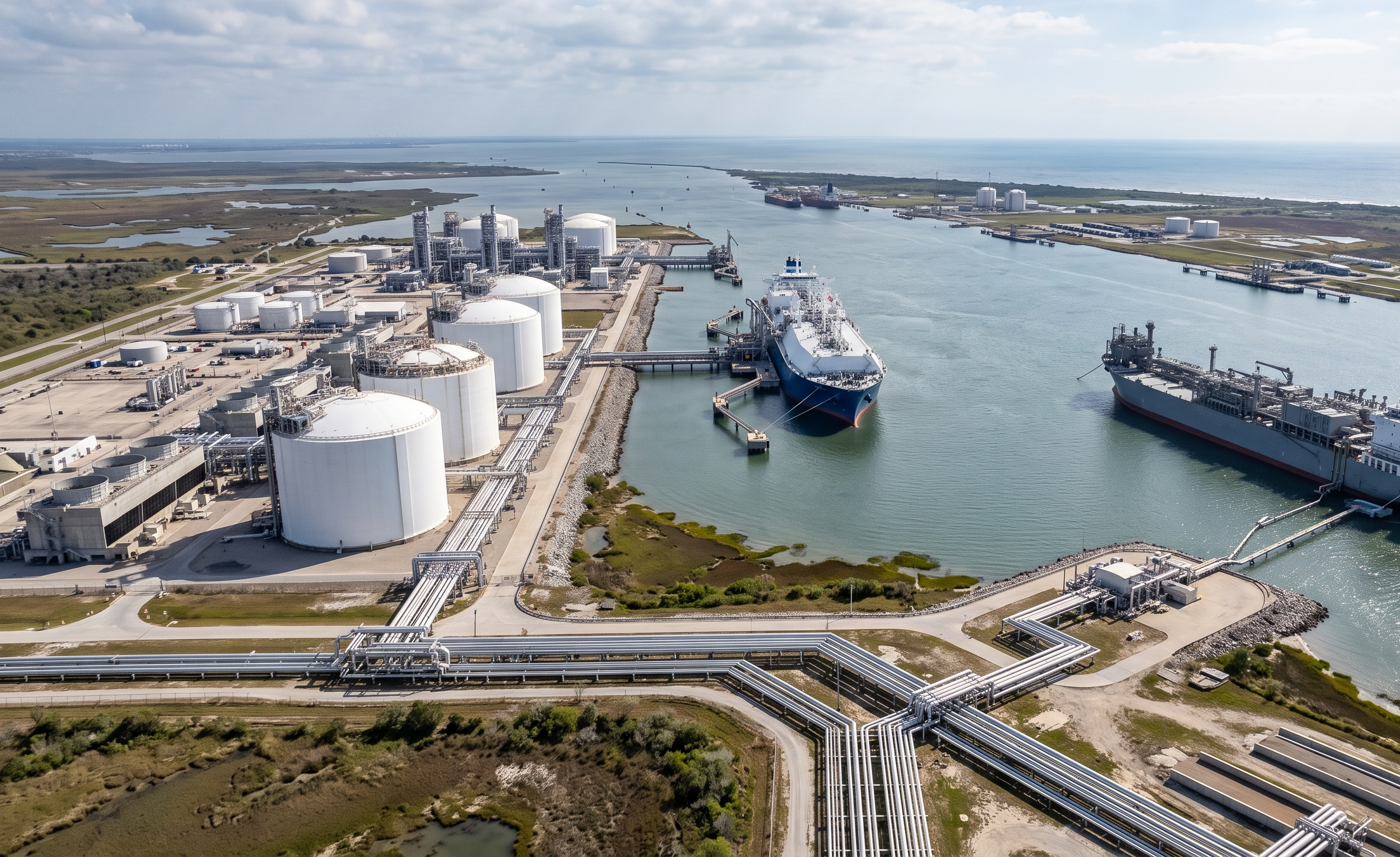
The integration of multi-fuel capability into new infrastructure is perhaps the most significant long-term trend in the sector. Many of the new terminals and pipelines being constructed today are being designed with the future in mind, incorporating materials and designs that are ‘hydrogen-ready.’ This foresight ensures that the infrastructure being built today can serve as a foundation for the zero-carbon energy systems of tomorrow. By planning for the eventual transition to hydrogen and other low-carbon fuels, the industry is demonstrating its commitment to long-term sustainability and providing investors with the confidence that their assets will remain relevant for decades to come.
Capital Allocation and Public-Private Collaboration
Moreover, the role of private-public partnerships (PPPs) in driving infrastructure diversification cannot be overstated. The massive capital requirements of these projects often necessitate a collaborative approach, bringing together government oversight and private sector efficiency. These partnerships are essential for navigating the complex regulatory and environmental landscapes that define modern energy projects. By aligning the interests of multiple stakeholders, PPPs can accelerate the delivery of critical infrastructure and ensure that it meets the highest standards of safety and reliability. This collaborative model is becoming the standard for large-scale energy projects around the world, from the Gulf Coast of the United States to the emerging markets of Africa and Asia.
The Emerging Global Blueprint for Energy Resilience
As we look to the future, the importance of LNG infrastructure diversification will only continue to grow. The lessons learned from recent energy shocks have solidified the consensus that a resilient energy system must be built on a foundation of diversity and flexibility. Oil & Gas Advancement believes that by investing in a wide range of assets, from massive export terminals like Port Arthur to small-scale regional hubs and high-tech FSRUs, the global community is creating a new blueprint for energy security. This strategy not only protects against supply disruptions but also fosters a more competitive and dynamic global market, driving down costs and accelerating the transition to a sustainable energy future. The ongoing commitment to infrastructure excellence will be the defining characteristic of the global energy transition in the coming decades.
References
-
Sempra advances Port Arthur LNG Phase 2 with FID, $14 billion investment
-
Sempra Infrastructure Advances Port Arthur LNG Phase 2, Strengthening U.S. Global Energy Leadership
