









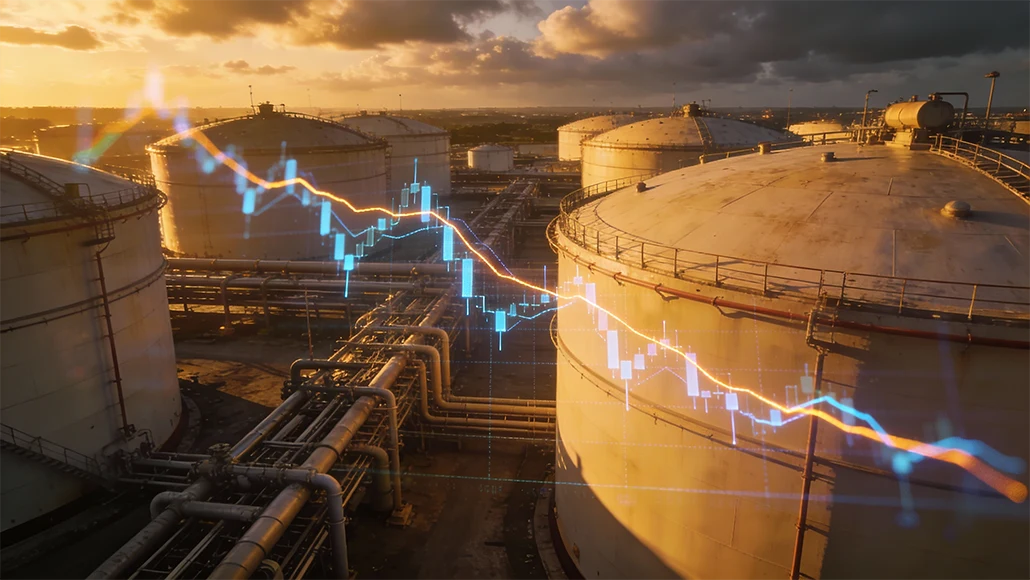
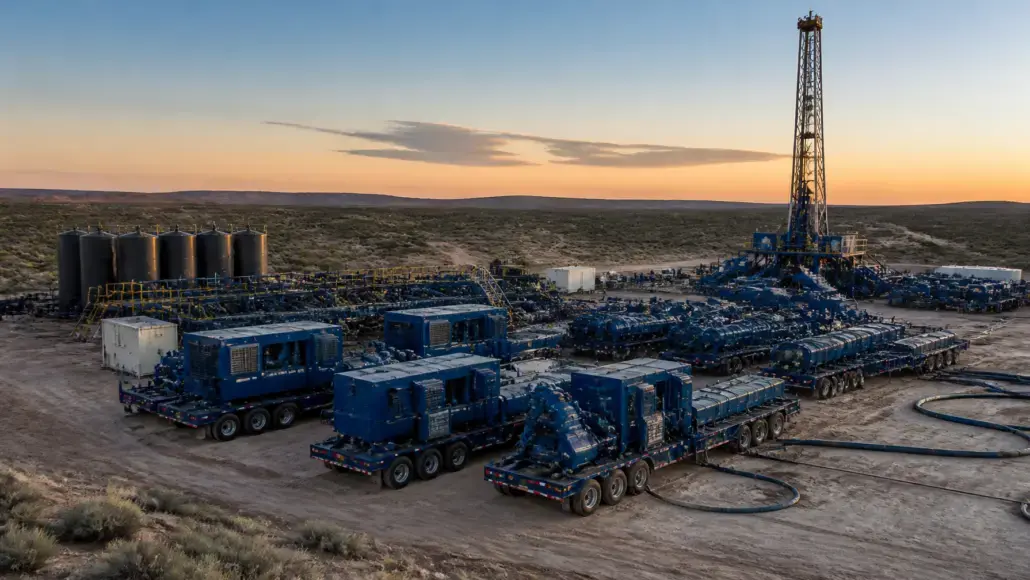
The shale revolution, which has fundamentally redefined the global energy landscape over the last two decades, is entering a sophisticated new era defined by digital precision and autonomous control. At the heart of this evolution are autonomous closed-loop frac systems, a technological leap that promises to unlock the next level of production efficiency in unconventional reservoirs. As the industry moves away from manual, reactive operations, the ability to integrate real-time subsurface data directly into the fracturing process has become a game-changer. These systems are no longer just about pumping fluids; they represent an intelligent, self-correcting ecosystem designed to maximize the contact area with the reservoir while protecting the integrity of the equipment and the environment.
Historically, hydraulic fracturing was an iterative process that relied heavily on the experience and intuition of engineers on-site. Decisions were often made based on delayed data or snapshots of the subsurface environment, leading to suboptimal fracture placement and inefficient use of resources. Today, the integration of high-fidelity sensors and machine learning algorithms has closed the loop between the wellhead and the control room. Oil & Gas Advancement notes that by creating a continuous feedback cycle, autonomous closed-loop frac systems can adjust pumping rates, proppant concentrations, and fluid chemistry in milliseconds, responding to the unique geological signatures of the rock. This level of granular control is the key to boosting shale output in a market where capital discipline and operational excellence are paramount.
The Engineering Behind Closed-Loop Autonomy
The architecture of an autonomous fracturing system is built upon a foundation of edge computing and high-speed data transmission. Thousands of data points are collected every second from sensors located along the high-pressure lines, the blender, and downhole via fiber-optic cables. This data is processed locally at the wellsite, allowing the system to make split-second decisions without the latency of cloud communication. The goal is to maintain the perfect frac—one that stays within the targeted zone, avoids unwanted screen-outs, and maximizes the complexity of the fracture network. By automating the control of the pumps, the system ensures a level of consistency that is impossible for human operators to achieve over a 24-hour shift.
Real-Time Subsurface Feedback and Micro-Seismic Integration
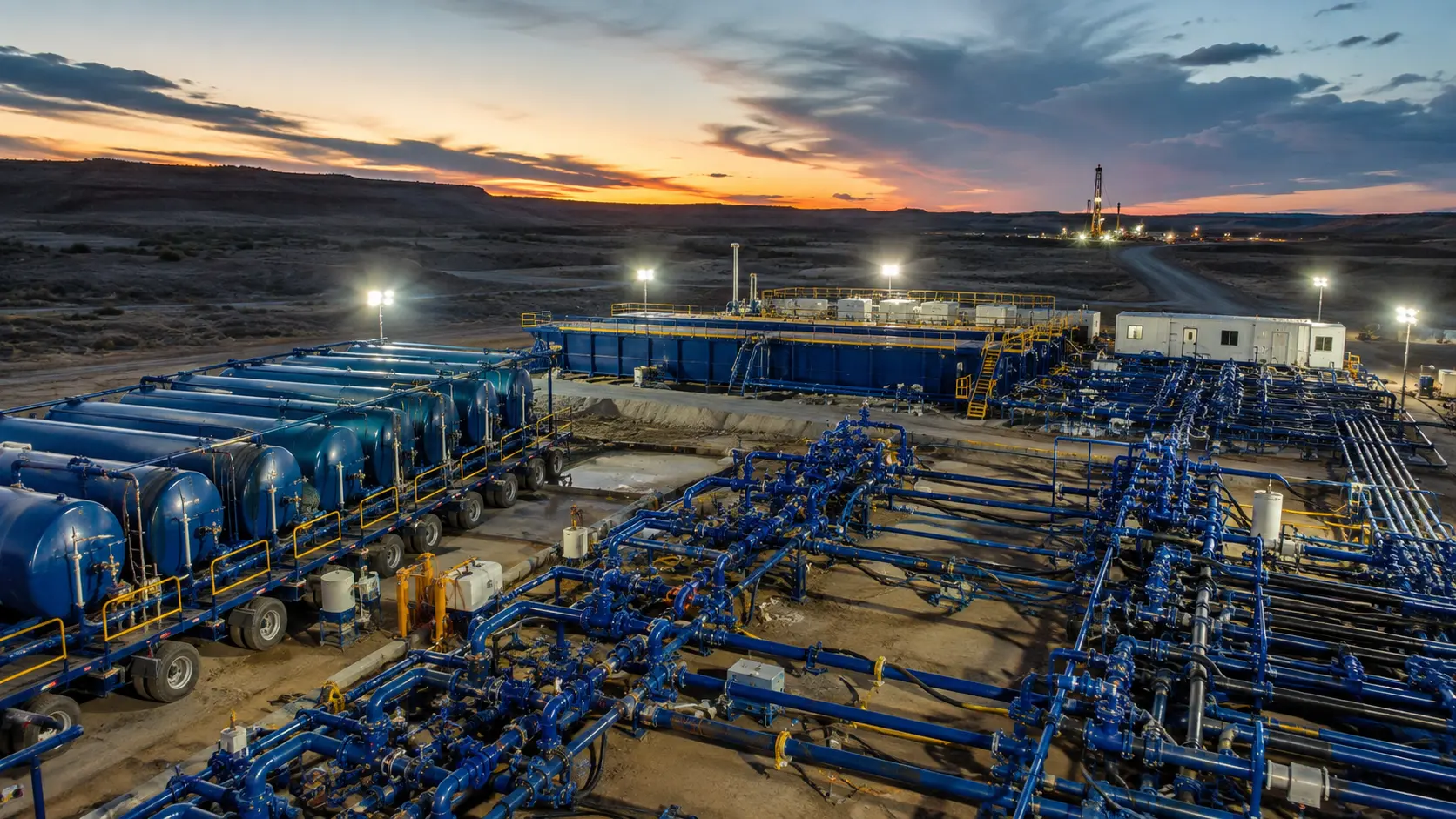 The closed-loop aspect of these systems refers to the continuous flow of information from the reservoir back to the surface equipment. One of the most powerful tools in this process is real-time micro-seismic monitoring. As the rock breaks, it emits tiny acoustic signals that are captured by surface or downhole arrays. The autonomous system analyzes these signals to map the growth of the fracture in real-time. If the fracture begins to propagate toward a water-bearing zone or an adjacent wellbore—a phenomenon known as frac-hitting—the system can automatically reduce pressure or change the fluid viscosity to redirect the energy. This proactive management is essential for optimizing shale gas recovery and preventing costly damage to existing assets.
Automated Pump Control and Equipment Longevity
The mechanical stress placed on fracturing equipment is immense, with pumps operating at pressures exceeding 10,000 psi for extended periods. Autonomous closed-loop frac systems are designed to manage this stress by balancing the load across the entire fleet. If a single pump begins to show signs of excessive vibration or temperature rise, the autonomous controller can throttle back that unit while increasing the output of others to maintain the required flow rate. This load-sharing capability not only prevents catastrophic failures but also extends the maintenance intervals of the entire fleet. By reducing the frequency of unplanned downtime, operators can complete more stages per day, directly translating into a faster return on investment for the well.
Maximizing Reservoir Contact and Proppant Distribution
The ultimate goal of any fracturing operation is to create the largest possible surface area within the productive shale layer. Autonomous systems excel at this by ensuring the precise placement of proppant—the sand or ceramic beads that hold the fractures open. By utilizing automated blending technology, the system can vary the concentration of proppant in real-time to match the varying permeability of the rock. This ensures that even the smallest micro-fractures are propped open, significantly increasing the long-term flow of gas. This data-driven approach to proppant distribution is a major factor in the recent increases in shale output seen in basins like the Permian and the Marcellus.
The Role of Fiber-Optic Sensing in Well Integrity
Advanced well completions now often include permanent fiber-optic cables installed along the length of the horizontal wellbore. These cables act as a continuous, high-resolution sensor array that can hear and feel the fracturing process at every foot of the well. Autonomous closed-loop frac systems utilize this data to perform Distributed Acoustic Sensing (DAS) and Distributed Temperature Sensing (DTS). This provides a clear picture of how much fluid and proppant is entering each stage. If a specific cluster of perforations is not taking its fair share of the frac, the system can adjust the diverting agents to ensure a more uniform stimulation. This level of wellbore diagnostics is critical for ensuring that no part of the reservoir is left behind.
Reducing the Human Footprint and Enhancing Safety
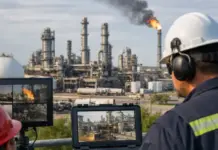
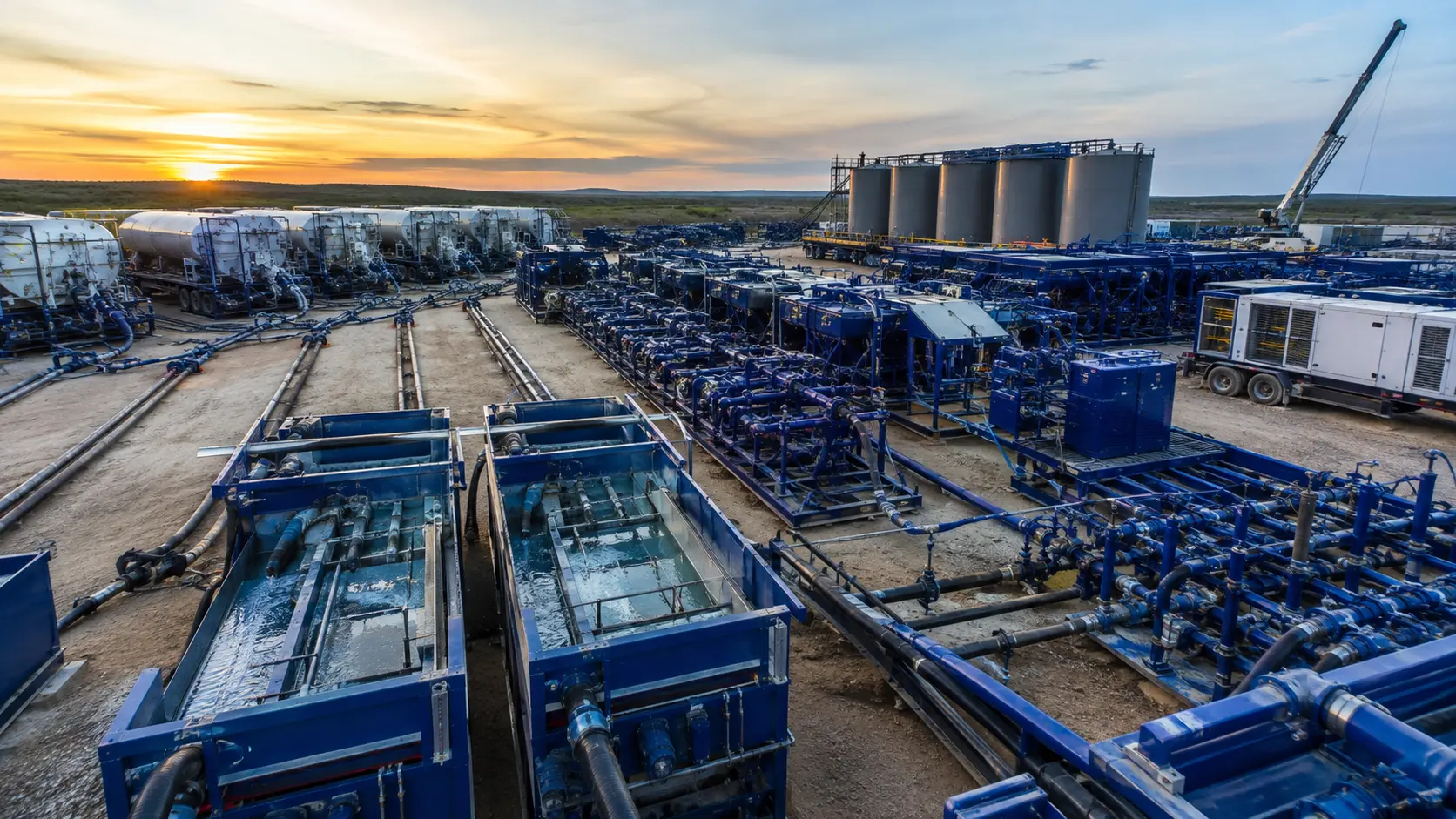 Safety is a primary driver for the adoption of autonomous technology in the oil and gas industry. By moving the control of the pumps and valves to an autonomous system, the number of personnel required in the red zone—the high-pressure area of the wellsite—is significantly reduced. Operators can now oversee the process from a centralized control van or even a remote operations center hundreds of miles away. This not only protects workers from potential hazards but also allows a smaller team of highly skilled engineers to manage multiple fracturing operations simultaneously. The shift toward remote fracturing is a hallmark of the industry’s digital transformation, highlighting a commitment to both efficiency and the well-being of the workforce.
Environmental Stewardship through Digital Optimization
The environmental impact of shale operations is a topic of intense public and regulatory scrutiny. Autonomous closed-loop frac systems provide a path toward more sustainable fracturing by optimizing the use of water and chemicals. By precisely matching the fluid volumes to the reservoir’s needs, the system minimizes the amount of wastewater produced. Furthermore, the automation of chemical blending ensures that only the exact amount of friction reducers and biocides is used, preventing over-dosage and reducing the overall chemical footprint. The increased efficiency also means that wells can be completed in less time, reducing the noise and traffic impact on local communities.
The Synergy of E-Frac and Autonomous Control
The convergence of autonomous control and electric fracturing (E-Frac) technology is perhaps the most significant trend in the modern oilfield. E-Frac fleets, which are powered by natural gas turbines or the electrical grid, provide the precise, responsive control that autonomous systems require. Unlike traditional diesel engines, which have a slower response time, electric motors can change their output almost instantaneously. This high-speed response allows the autonomous closed-loop frac systems to maintain a tighter control on the fracturing process, leading to even more consistent results. The combination of green energy and digital autonomy represents the future of the shale industry, where profitability and sustainability go hand-in-hand.
Challenges in Data Standardization and Cyber-Resilience
Despite the clear benefits, the implementation of autonomous systems is not without its challenges. The vast amount of data generated by different service providers often lacks standardization, making it difficult to create a truly integrated wellsite ecosystem. The industry is currently working toward common data protocols to ensure that sensors from different manufacturers can communicate seamlessly. Furthermore, as fracturing operations become more reliant on digital networks, the risk of cyberattacks increases. Building cyber-resilient autonomous systems—with robust encryption and air-gapped control loops—is a top priority for energy companies and technology providers alike.
Conclusion: The Era of the Intelligent Wellsite
In conclusion, the rise of autonomous closed-loop frac systems represents a fundamental maturation of the shale gas industry. Oil & Gas Advancement believes that by bridging the gap between the surface and the subsurface, these systems are unlocking new levels of reservoir potential that were previously out of reach. The transition from manual to autonomous operations is not just a technological upgrade. It is a strategic shift toward a more precise, safe, and sustainable energy future. As the global demand for gas continues to grow, the ability to produce more with less—driven by the power of digital autonomy—will be the defining characteristic of the successful energy company of the 2020s. This is the promise of the intelligent wellsite: a future where every stage is optimized, every pump is protected, and the full value of the shale reservoir is realized through the transformative power of autonomous technology.
