







The shale industry is entering a new phase of maturity, where the focus is shifting from the rapid drilling of new wells to the optimization and life extension of existing ones. As production in major basins like the Permian, Marcellus, and Eagle Ford begins to plateau, the strategic importance of refracturing trends has come to the forefront. Refracturing, or re-fracing, is the process of restimulating a previously fractured well to access bypassed oil and gas. In many cases, early shale wells were completed using technology that was far less efficient than today’s standards, leaving significant reserves in the ground. Oil & Gas Advancement notes that by applying modern stimulation techniques to these mature assets, operators can significantly boost production, improve their capital efficiency, and extend the productive lifecycle of their fields by years, if not decades.
For much of the shale revolution, refracturing was considered a risky and secondary option compared to drilling new grassroots wells. However, the economic landscape has changed. With the rising costs of labor, equipment, and regulatory compliance, the ability to generate a high return on investment from an existing wellbore is an incredibly attractive proposition. Today, the convergence of advanced diagnostics, better chemistry, and more precise pumping technology has turned refracturing into a predictable and highly profitable engineering discipline. These refracturing trends are not just about adding more pressure; they represent a sophisticated effort to remap and re-energize the subsurface, ensuring that every molecule of energy is extracted from the reservoir.
The Economic and Operational Logic of Refracturing
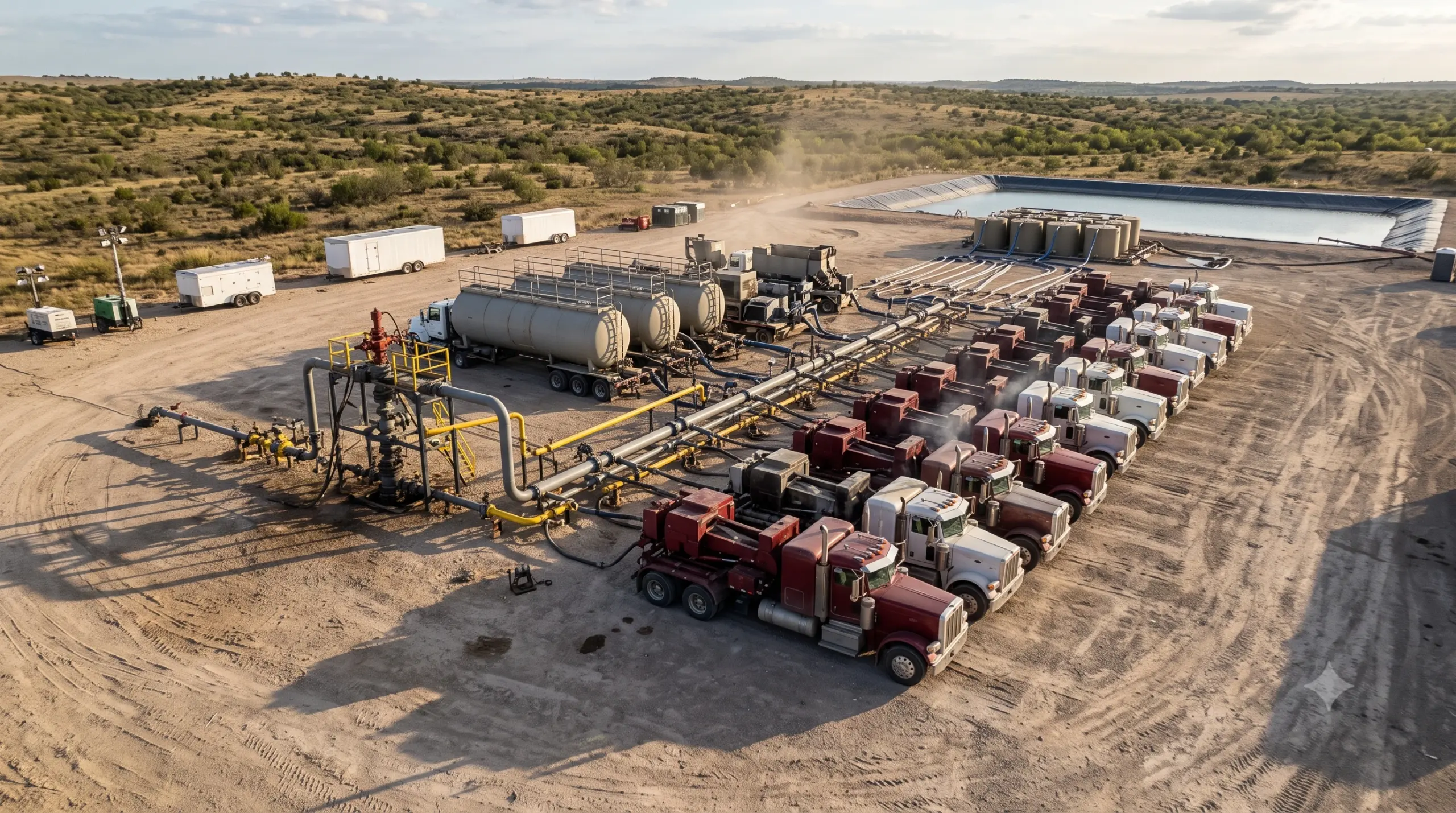 The primary driver behind the recent surge in refracturing activity is capital discipline. A new horizontal shale well can cost anywhere from $6 million to $10 million to drill and complete. In contrast, a refracturing operation typically costs between $1.5 million and $3 million. If a re-frac can restore production to 60-80% of the well’s original initial production (IP) rate, the economics are far superior to drilling a new well. Furthermore, refracturing utilizes existing infrastructure—wellheads, pipelines, and production facilities—minimizing the need for additional surface disruption and environmental permitting. This makes it a green strategy in the sense that it maximizes the utility of existing industrial footprints.
Identifying the Best Candidates for Re-Frac
Success in refracturing begins with the selection of the right candidate. Not every mature well is a good fit for restimulation. Modern refracturing trends rely heavily on data analytics to identify wells that were under-stimulated during their initial completion. This includes wells with wide cluster spacing, low proppant volumes, or those that were completed before the adoption of slickwater fracturing. By using production data, pressure surveys, and advanced reservoir modeling, engineers can identify bypassed pay—sections of the shale that were never reached by the original fracture network. These wells offer the highest potential for a significant production boost and a fast payout.
The Role of Advanced Diverting Agents
One of the biggest technical challenges in refracturing is ensuring that the new fluid and proppant enter the depleted or bypassed zones rather than simply following the path of the original fractures. To solve this, the industry has developed advanced diverting agents. These are temporary particulates or chemical compounds that bridge the existing fractures, forcing the new stimulation energy into untreated areas of the rock. Once the fracturing operation is complete, these agents dissolve, leaving a new, more complex fracture network that connects previously isolated pores to the wellbore. The development of these smart diverters is a key technological pillar of modern refracturing trends.
Mechanical Reinforcement and Wellbore Integrity
Refracturing places significant mechanical stress on the existing wellbore, which may have been in the ground for a decade or more. Ensuring wellbore integrity is therefore a top priority. In many cases, operators utilize a liner-in-liner completion, where a smaller diameter pipe is inserted into the original casing and cemented into place. This new liner provides a fresh, high-pressure conduit for the fracturing fluids and allows for the precise placement of new perforation clusters. While this adds to the cost of the operation, it significantly reduces the risk of casing failures and ensures that the stimulation energy is delivered exactly where it is needed.
Diagnostics and Fiber-Optic Monitoring
The use of high-tech diagnostics is another major trend in the refracturing space. Fiber-optic cables can be deployed during the re-frac to provide real-time data on fluid distribution and fracture growth. This allows engineers to see, foot by foot, how the well is responding to the treatment. Furthermore, chemical tracers can be added to the fracturing fluids to identify which parts of the well are contributing to the new production. This data-rich approach allows for continuous learning, where the lessons from one refracturing operation can be applied to the next, creating a virtuous cycle of improvement that is a hallmark of the modern oilfield.
Parent-Child Interaction and Reservoir Re-Pressuring
Refracturing is also being used as a strategic tool to manage parent-child interactions in densely developed fields. When a new child well is drilled near an older parent well, the fracturing of the child well can often be negatively affected by the depleted pressure zone around the parent. By refracturing the parent well simultaneously or just before the child well is completed, operators can re-pressurize the reservoir and create a more uniform stress environment. This protects both wells and ensures that the overall recovery of the multi-well pad is maximized. This shift from individual well management to pad-level optimization is one of the most significant refracturing trends in the industry today.
Environmental Benefits and Regulatory Compliance
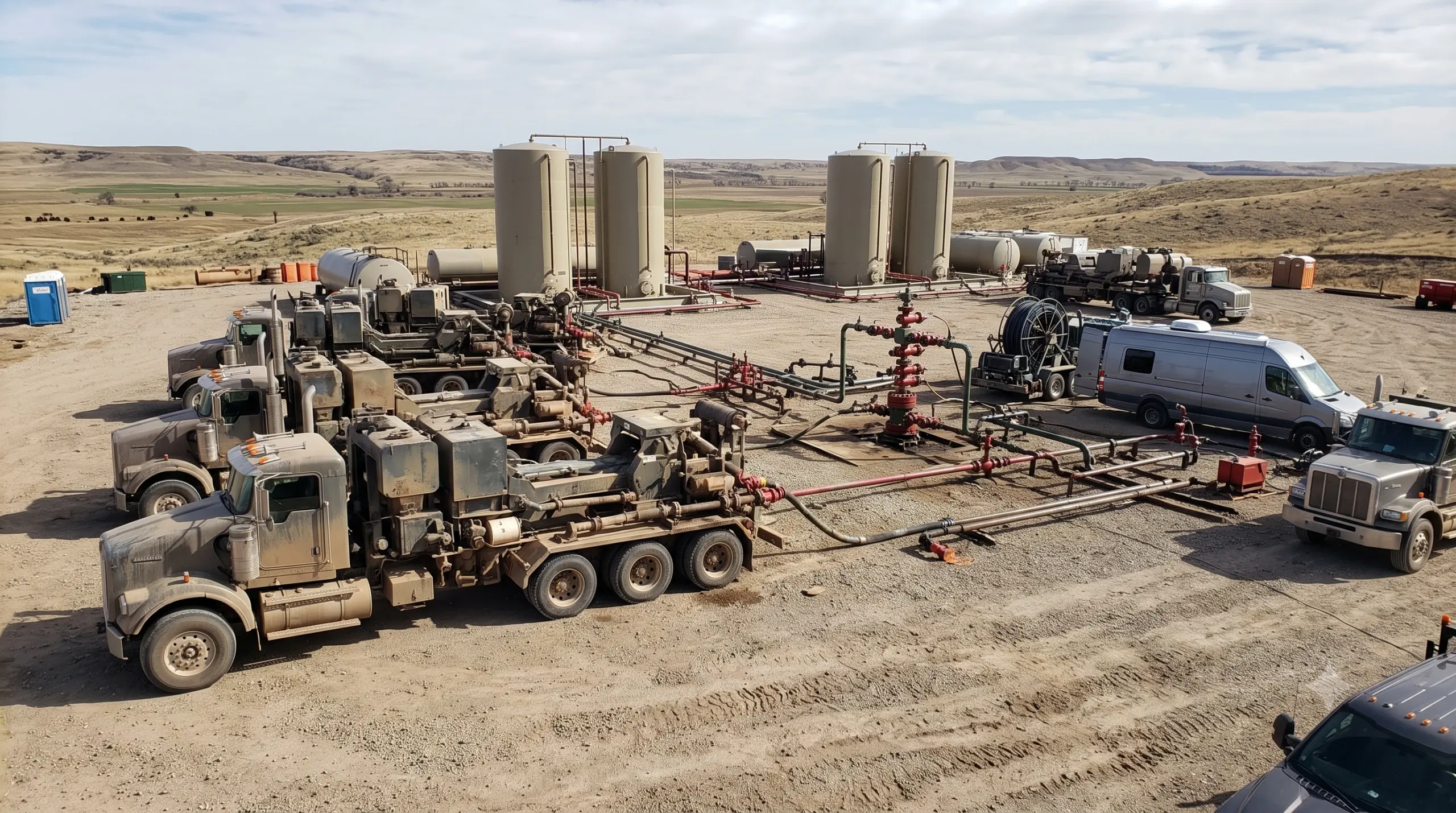 The environmental benefits of refracturing are becoming an increasingly important part of the industry’s narrative. By producing more gas from existing wells, operators can meet energy demand with a significantly smaller physical footprint. There is no need for new road construction, additional water pits, or extensive new pipeline networks. Furthermore, modern refracturing operations often utilize e-frac fleets (electric fracturing), which further reduces the carbon emissions and noise impact of the project. As regulatory bodies like the EPA and local agencies tighten their rules on new drilling, refracturing provides a compliant and efficient way for companies to maintain their production levels.
The Impact on Global Shale Potential
The potential for refracturing is not limited to the United States. In emerging shale basins around the world—such as in Argentina, China, and Australia—the ability to re-stimulate early wells will be a critical part of the industry’s maturation. As these countries move past the exploration phase, they will inevitably face the same challenges of declining production and rising costs. The lessons learned and the technologies developed through current refracturing trends will provide a valuable blueprint for the global energy community, ensuring that shale remains a long-term and sustainable source of energy for the world.
Challenges in Cost and Technical Risk
Despite the clear economic advantages, refracturing is not without its risks. The process of removing existing production equipment, cleaning out the wellbore, and installing new liners can be technically challenging and prone to delays. Furthermore, the risk of a mechanical failure in an older well is always present. Operators must carefully balance the potential production gain against the cost and risk of the operation. However, as the industry’s database of successful re-fracs grows and the technology becomes more standardized, these risks are being mitigated, and refracturing is becoming a core component of every major operator’s asset management strategy.
Conclusion: Maximizing the Value of the Reservoir
In conclusion, the rise of refracturing trends represents a fundamental shift in the shale industry toward efficiency, sustainability, and long-term value creation. Oil & Gas Advancement believes that by viewing mature wells not as liabilities but as opportunities for re-investment, energy producers are capturing additional reserves that were once thought to be lost. The convergence of better data, smarter chemistry, and advanced engineering is giving a second life to the assets that built the shale revolution. As we look forward, the ability to extend the lifecycle of every wellbore will be the key to maintaining energy security in a resource-constrained world. This is the promise of refracturing: a future where we do more with what we already have, driven by the power of innovation and a commitment to excellence. Through the lens of refracturing trends, we see a shale industry that is resilient, responsible, and ready for the challenges of the next decade. The second act of the shale revolution is not about drilling more. It is about producing smarter.
