























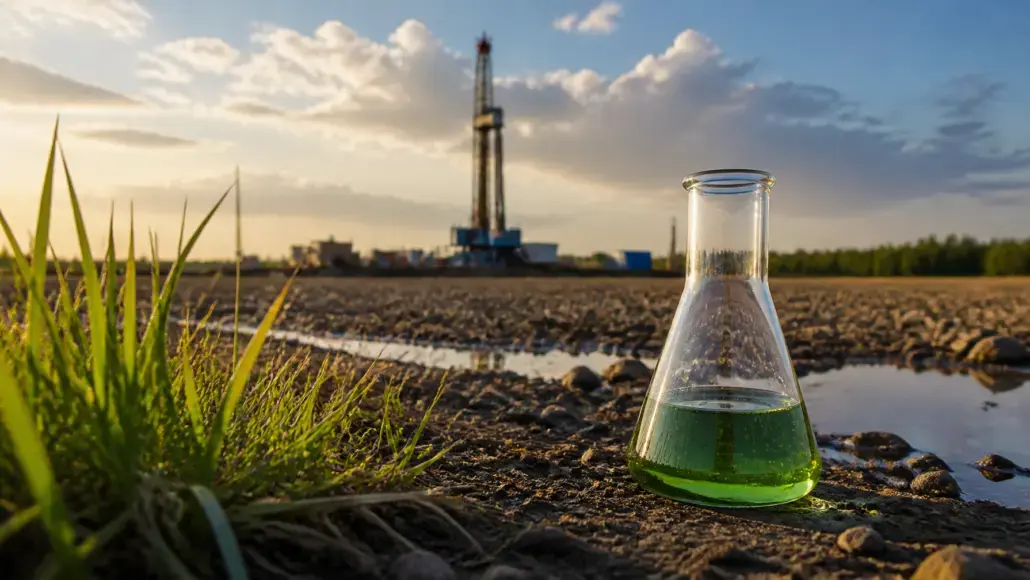
The shale gas industry, while a vital component of the global energy mix, has long faced intense scrutiny regarding its environmental footprint. One of the most significant areas of concern has been the composition of hydraulic fracturing fluids, which traditionally rely on a complex mixture of water, proppant, and chemical additives. As the industry moves toward a more sustainable future, the development and adoption of bio-based frac fluids have emerged as a transformative solution. These green fracturing fluids replace synthetic and often toxic additives with biodegradable, plant-derived alternatives. This shift is not just a regulatory response. It is a fundamental evolution in oilfield chemistry that balances the need for high-performance stimulation with a deep commitment to environmental stewardship.
The primary goal of bio-based frac fluids is to provide the same technical performance as traditional systems—reducing friction, preventing bacterial growth, and inhibiting scale—while being completely safe for the environment. In the event of a surface spill or a localized leak, these biodegradable fluids break down naturally into harmless components, significantly reducing the potential for long-term soil or water contamination. This innovation is a key pillar of the Green Fracking movement, which aims to harmonize energy production with the protection of natural resources. For operators, Oil & Gas Advancement notes that the transition to bio-based chemistry is not just about ethics. It is about securing their social license to operate and reducing the long-term liabilities associated with industrial operations.
The Chemistry of Green Fracturing Fluids
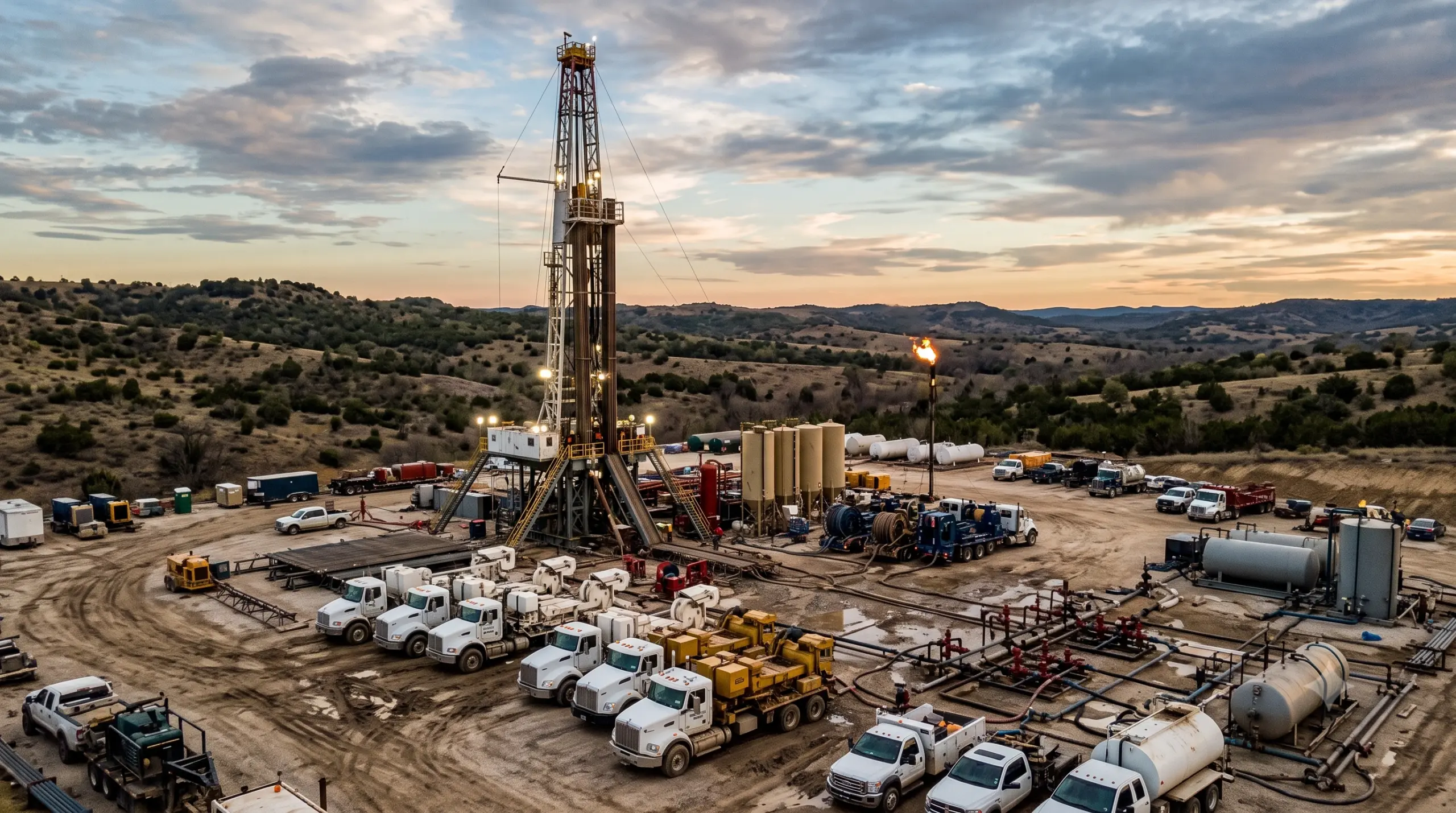 Modern fracturing fluids are composed of several key chemical components, each serving a specific purpose. Bio-based frac fluids address these needs through the use of natural polymers, organic acids, and plant-derived surfactants. For example, instead of using synthetic polyacrylamides as friction reducers, researchers are now utilizing modified starches or guar gum derivatives that offer similar performance with a much lower environmental impact. Similarly, biocides that were once based on harsh glutaraldehyde are being replaced by enzymes or essential oil-based antimicrobial agents that effectively control bacteria without persisting in the environment. This move toward biomimicry in oilfield chemistry is a testament to the power of sustainable innovation.
Biodegradable Friction Reducers and Surfactants
Friction reducers are perhaps the most critical component of slickwater fracturing, as they allow high volumes of fluid to be pumped at extreme pressures with minimal energy loss. The development of bio-based friction reducers is a major achievement, as these materials must maintain their performance even in the presence of high-salinity produced water. Plant-derived surfactants, such as those made from coconut or soy oil, are also being used to reduce the surface tension of the fluid, helping to improve the flow of gas out of the rock pores. These bio-based alternatives are not only effective but often exhibit better compatibility with the reservoir’s natural chemistry, leading to higher overall production rates.
Natural Scale Inhibitors and Clay Stabilizers
Scale formation and clay swelling are two of the most common causes of production decline in shale wells. Traditional inhibitors often contain phosphates or other chemicals that can be harmful if they enter the water cycle. Bio-based alternatives, such as citric acid or other organic acids derived from fermentation, provide an effective and biodegradable solution for scale control. Likewise, clay stabilizers based on natural salts or biodegradable polymers are replacing synthetic alternatives. By utilizing these bio-based frac fluids, operators can maintain the long-term health of the wellbore and the reservoir without the need for persistent, non-degradable chemical additives.
Enhancing Shale Sustainability through Circular Chemistry
The adoption of bio-based frac fluids is a key component of the industry’s transition to a circular economy. Because these fluids are biodegradable, the process of treating and recycling produced water becomes much simpler and more cost-effective. Traditional chemical additives often interfere with water treatment systems, requiring expensive specialized processes to remove. Bio-based chemistry, on the other hand, is often compatible with standard biological or mechanical treatment methods. This allows for a higher percentage of water to be recycled for future fracturing operations, drastically reducing the industry’s freshwater consumption—a major win for shale sustainability in water-stressed regions like the Permian Basin or the Australian outback.
Reducing the Toxicity Profile of Fracturing Operations
A primary concern for local communities and environmental advocates is the potential toxicity of fracturing fluids. Bio-based frac fluids provide a clear and transparent answer to these concerns. Many of the ingredients used in green fracturing systems are also found in food-grade or personal care products, providing a level of safety that is easily understood by the public. This transparency is vital for building trust and ensuring the long-term viability of the industry. By moving away from black box chemical formulations toward open, bio-based systems, energy companies are demonstrating a level of accountability that is essential in the modern era of energy production.
Operational Safety and the Worker Health
The benefits of bio-based frac fluids also extend to the health and safety of the workers on-site. Traditional fracturing chemicals can be hazardous to handle, requiring extensive personal protective equipment (PPE) and rigorous safety protocols. Green fluids, being non-toxic and non-corrosive, are much safer for the crews who blend and pump them. This reduces the risk of accidental exposure and chemical burns, creating a better working environment. Furthermore, the use of bio-based chemistry often eliminates the need for heated storage or specialized handling equipment, simplifying the logistics of the fracturing operation and reducing the overall complexity of the wellsite.
The Future of Bio-Based Chemistry in the Oilfield
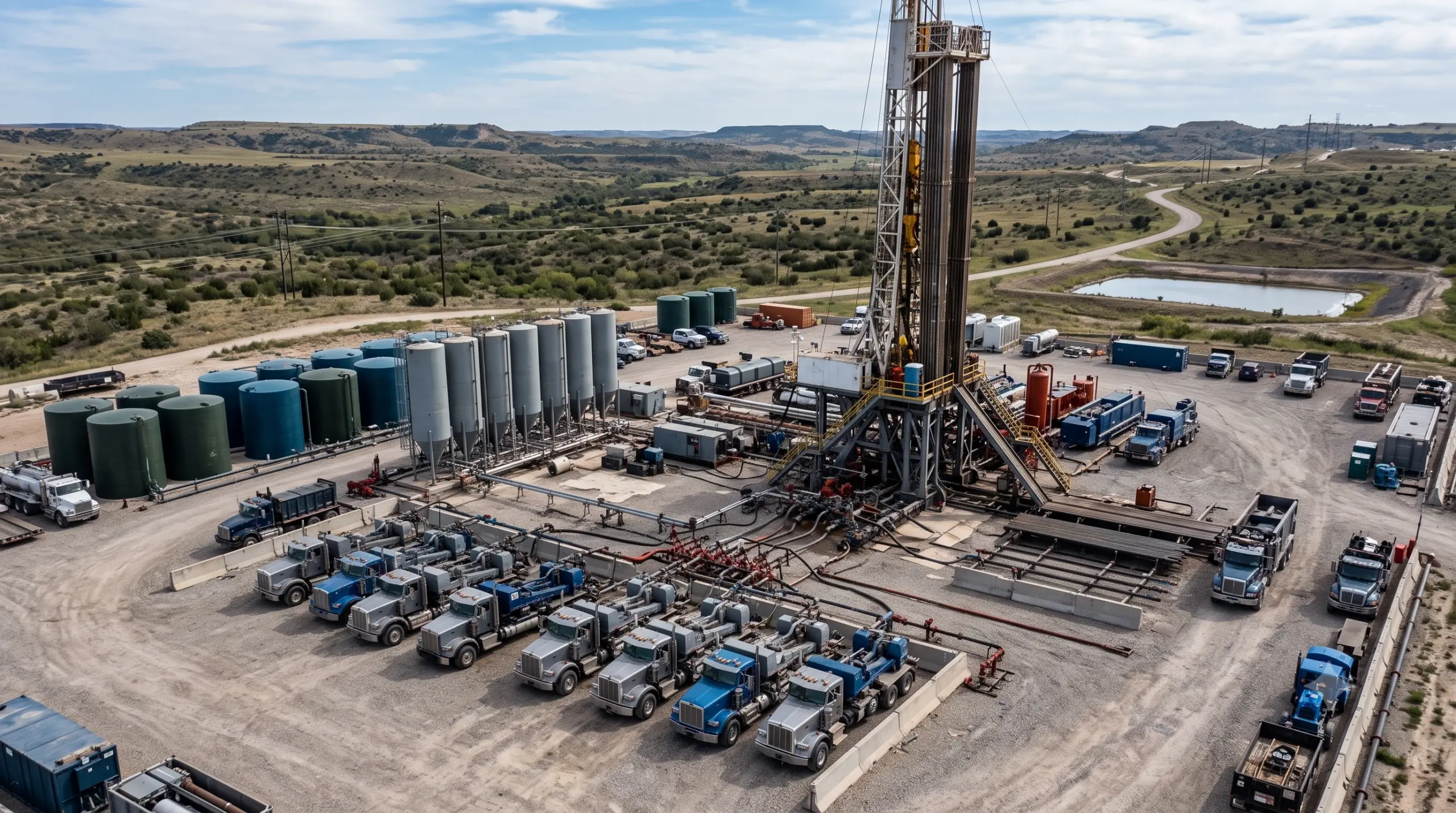 The development of bio-based frac fluids is still in its early stages, with new innovations emerging every year. We are seeing the rise of designer microbes that can be introduced into the wellbore to perform specific tasks, such as breaking down residual polymers or enhancing gas flow. We are also seeing the integration of waste products from other industries—such as citrus peels or agricultural leftovers—into the production of fracturing additives. This cross-industry collaboration is a hallmark of the future of sustainable energy, where the waste of one process becomes the raw material for another. As the scale of production for these bio-based chemicals increases, their cost is expected to become competitive with traditional alternatives, further accelerating their adoption.
Challenges in Performance Consistency and Cost
Despite the clear advantages, there are still hurdles to the widespread adoption of bio-based frac fluids. In some cases, natural polymers can be more sensitive to temperature and pressure than their synthetic counterparts, requiring more careful formulation. Furthermore, the cost of bio-based additives can currently be higher than mass-produced synthetic chemicals. However, when the total cost of the operation is considered—including water treatment, liability insurance, and community relations—the value proposition of green chemistry becomes much clearer. The industry is currently working toward more robust and cost-effective formulations that can perform in even the most challenging geological environments.
Regulatory Incentives and Market Demand
Regulatory bodies are increasingly providing incentives for the use of sustainable technology in the oil and gas sector. In some regions, operators who use bio-based frac fluids may benefit from faster permitting or reduced environmental fees. Furthermore, as global investors increasingly focus on ESG metrics, companies that can demonstrate a clear commitment to sustainable chemistry will have better access to capital. The market demand for green energy is not just about the source of the fuel. It is about the entire process of extraction. Bio-based fracturing fluids are a key part of the industry’s answer to this demand, providing a pathway toward a more responsible and acceptable form of energy production.
Conclusion: A Greener Path for Shale Gas
In conclusion, the rise of bio-based frac fluids represents a landmark achievement in the pursuit of shale sustainability. By replacing traditional chemical additives with biodegradable and non-toxic alternatives, the industry is significantly reducing its environmental impact while maintaining the high levels of production needed to meet global energy demand. Oil & Gas Advancement believes that this shift toward green chemistry is a testament to the power of innovation and the industry’s ability to adapt to a changing world. As we look forward, the bio-based revolution will continue to expand, transforming the oilfield into a cleaner, safer, and more efficient environment. This is the promise of sustainable fracturing: a future where we can unlock the energy the world needs without compromising the health of the planet. Through the lens of bio-based frac fluids, we see a shale industry that is not only a leader in energy production but also a pioneer in environmental responsibility. The transition to green chemistry is not just an option. It is the only way forward for a sustainable and prosperous energy future.
