






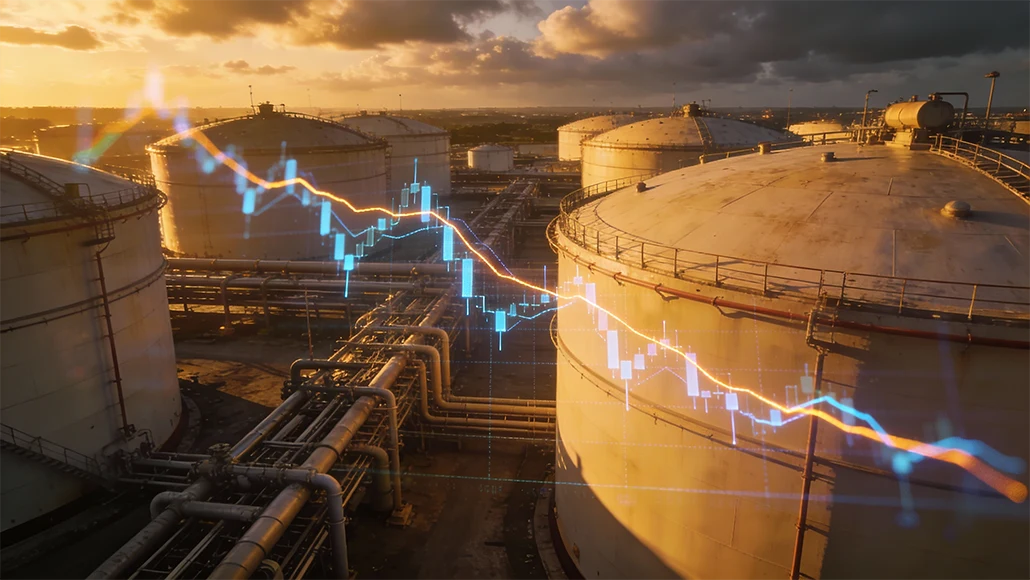
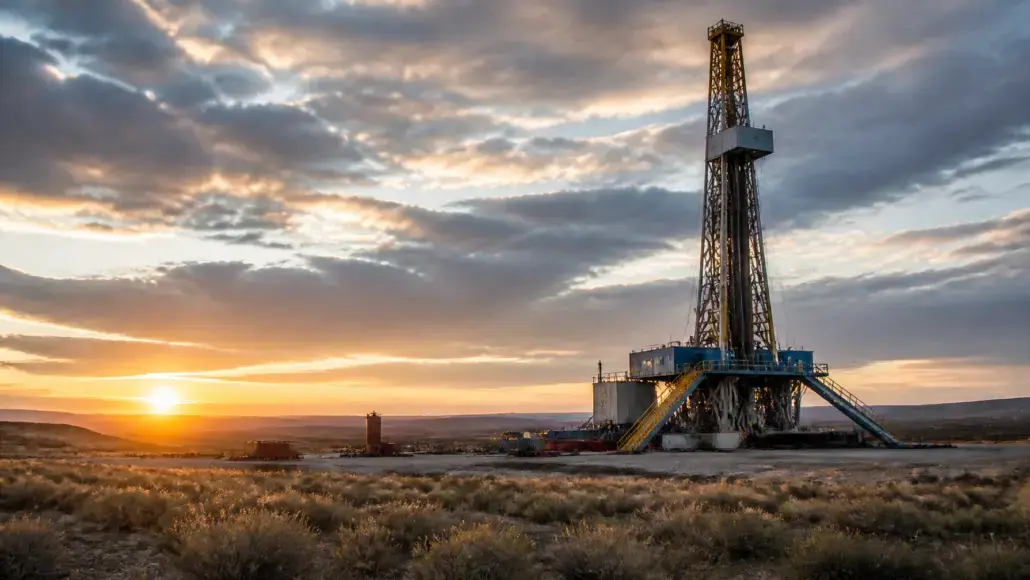
The shale revolution, which has fundamentally transformed the global energy landscape, owes much of its success to the marriage of hydraulic fracturing and horizontal drilling. However, as the industry moves into an era of tighter margins and more complex reservoirs, the focus has shifted from merely drilling long laterals to achieving extreme horizontal drilling precision. In the world of unconventional gas, being just a few feet out of zone can lead to a significant drop in production and a waste of millions of dollars in completion costs. Today, the adoption of advanced geosteering tools and real-time data analytics is allowing operators to thread the needle through the most productive layers of rock, ensuring that every foot of the wellbore contributes to a higher shale gas yield.
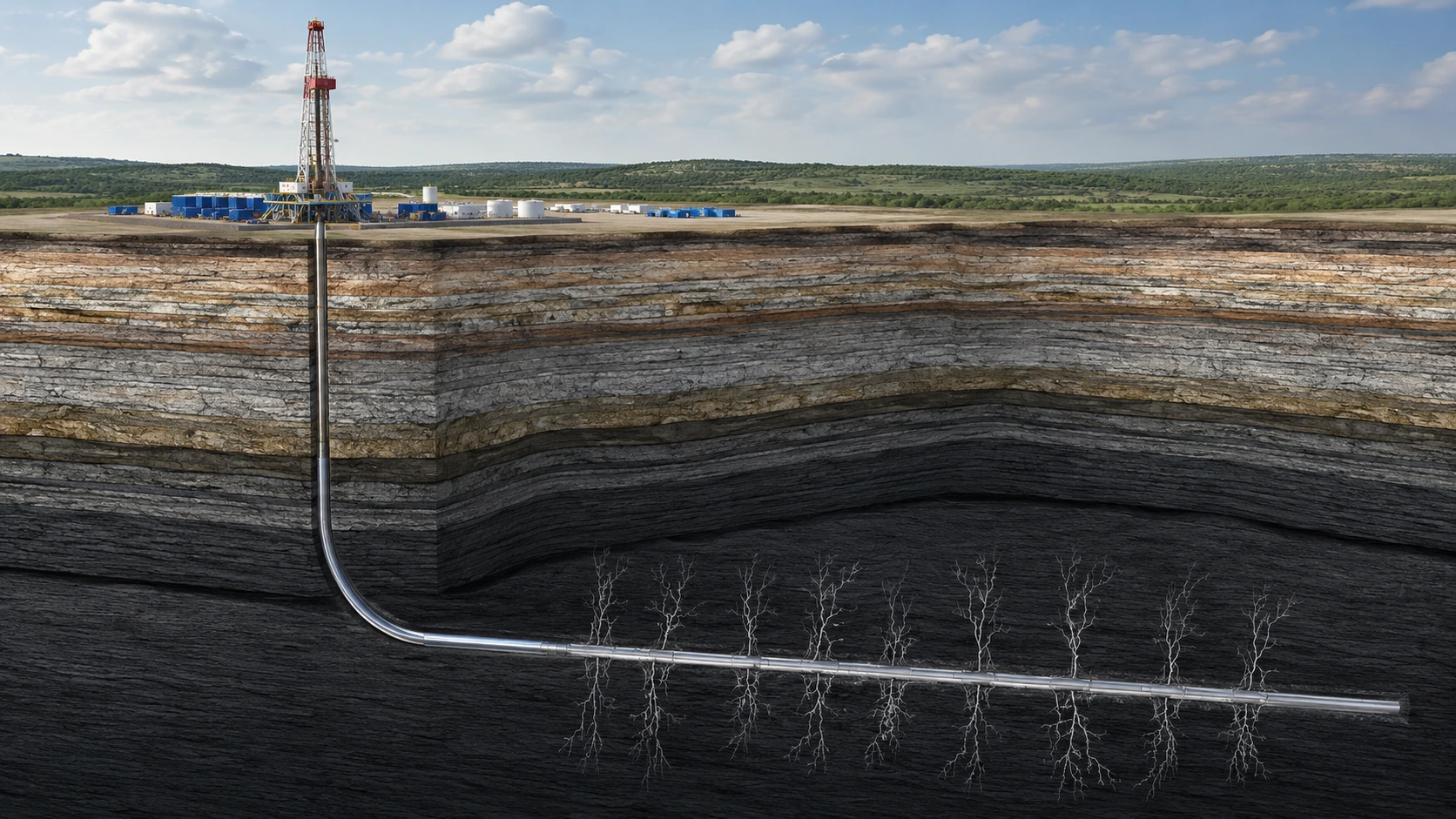
Historically, geosteering—the process of adjusting the drill bit’s path based on geological data—was a reactive process. Drillers would look at logs that were recorded several minutes after the bit had passed through a formation, leading to a zig-zag path that often dipped out of the sweet spot. Modern technology has turned this into a proactive, high-resolution discipline. By integrating Logging While Drilling (LWD) sensors directly behind the bit and using sophisticated software to model the subsurface in real-time, operators can now stay within a three-foot vertical window over a lateral distance of three miles or more. This level of precision is the defining characteristic of the modern shale industry, turning drilling from a game of chance into a high-stakes surgical procedure.
The Technological Core of Advanced Geosteering
Oil & Gas Advancement notes that at the heart of high-precision drilling is the LWD suite, which provides a continuous stream of data on the rock’s properties, such as its natural gamma radiation, resistivity, and density. This data is transmitted to the surface via mud pulse telemetry or high-speed wired pipe, where it is instantly compared to the pre-drill geological model. The geosteering engineer uses this information to identify marker beds—distinctive layers of rock that act as signposts in the subsurface. By staying a fixed distance from these markers, the driller can ensure that the wellbore remains in the pay zone, even as the formation dips and folds across the basin.
Real-Time Azimuthal Imaging and Boundary Detection
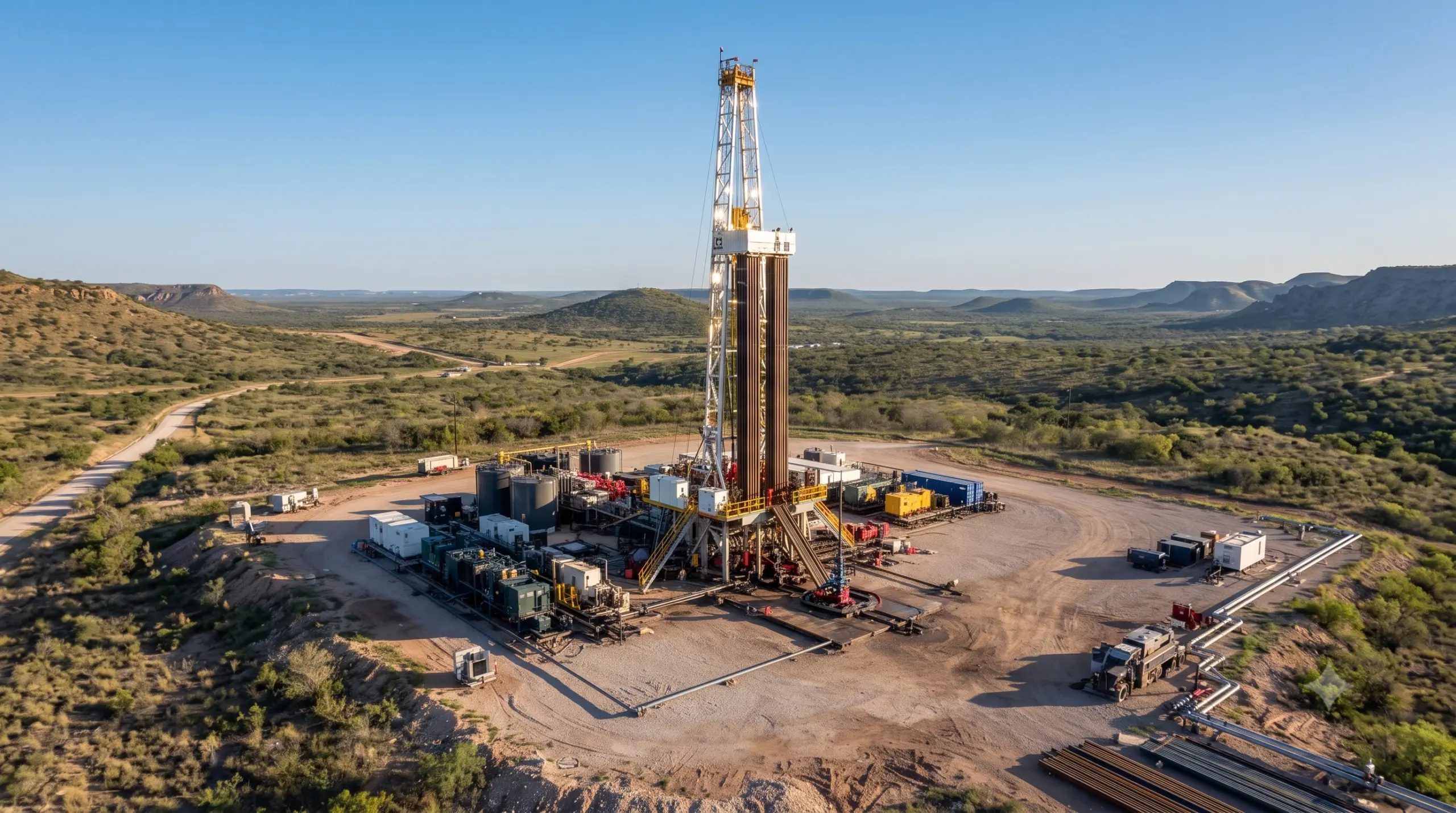
One of the most significant breakthroughs in geosteering is the development of azimuthal imaging tools. These sensors provide a 360-degree view of the borehole, allowing the driller to see the boundaries bet
ween different rock layers before the bit actually reaches them. This look-around capability is essential for navigating complex faults and steering clear of non-productive rock. By identifying the boundary between the productive shale and the overlying limestone or underlying clay, the system can provide early warnings, allowing the driller to make minor course corrections that keep the wellbore perfectly centered in the target zone. This proactive steering is a major driver for the recent increases in shale gas yield.
The Role of Rotary Steerable Systems (RSS)
Achieving high levels of horizontal drilling precision also requires advanced mechanical steering systems. Rotary Steerable Systems (RSS) allow the drill string to rotate continuously while the bit is steered in a specific direction. Unlike older slide drilling techniques, which were slow and often led to a tortuous borehole path, RSS provides a smooth, consistent wellbore that is much easier to case and complete. The ability of RSS to make minute, precise adjustments at high speeds is critical for following the sweet spot of the reservoir. The integration of RSS with automated geosteering software represents the ultimate in drilling technology, creating a self-steering system that can navigate the subsurface with minimal human intervention.
Maximizing Reservoir Contact and Completion Efficiency
The primary objective of horizontal drilling precision is to maximize the productive lateral length—the part of the wellbore that is actually in contact with the high-quality reservoir. In a typical shale play, the target zone might only be 20 to 50 feet thick. If a 10,000-foot lateral spends 20% of its time out of this zone, that represents 2,000 feet of unproductive wellbore that still cost millions of dollars to drill and will cost millions more to frac. By staying in-zone 95% to 100% of the time, operators can ensure that every fracturing stage is placed in rock that has the highest potential for gas flow, leading to a significantly higher return on investment for the entire project.
Enhancing Fracture Performance Through Precise Placement
The success of a hydraulic fracturing job is directly linked to the quality of the rock surrounding the wellbore. Fractures propagate more effectively in brittle, organic-rich shale than in softer, clay-heavy layers. By using geosteering to stay in the most brittle part of the reservoir, operators ensure that the fracturing energy is used efficiently to create a large, complex network of cracks. If the wellbore dips into a more ductile layer, the fractures may not stay open, and the proppant may not be distributed effectively. Therefore, horizontal drilling precision is not just about the drilling phase; it is the fundamental foundation for the success of the entire completion and production lifecycle.
Reducing Mechanical Risk and Tortuosity
A smooth, precisely steered wellbore also reduces the mechanical risks associated with drilling and completion. A tortuous wellbore—one with many sharp turns—creates excessive friction, making it difficult to push the casing to the end of the hole. It can also lead to premature wear on the drill pipe and the production tubing. By achieving a high degree of precision and maintaining a smooth path, operators can drill longer laterals and install more complex completions without the risk of getting stuck. This mechanical reliability is essential for the industry’s move toward extra-extended reach (EER) wells, which can now reach over four miles into the reservoir from a single wellsite.
The Digital Transformation of the Drilling Floor
The move toward high-precision geosteering is part of a broader digital transformation of the drilling floor. We are seeing the rise of Remote Operations Centers (ROCs), where a small group of expert geosteerers can oversee dozens of wells simultaneously from a centralized location. These ROCs utilize high-speed cloud computing and artificial intelligence to analyze data from across the fleet, identifying high-level trends and optimizing the drilling performance in real-time. This centralization of expertise ensures that the highest level of horizontal drilling precision is applied consistently across all of an operator’s assets, regardless of their location.
Artificial Intelligence and Machine Learning in Geosteering
 Artificial Intelligence (AI) is playing an increasingly important role in the geosteering process. Machine learning algorithms can be trained on the data from thousands of previous wells to identify the subtle geological signatures that precede a formation change. These AI-driven virtual geosteerers can provide real-time recommendations to the human driller, suggesting the optimal course corrections to stay in the sweet spot. As these algorithms become more refined, we are moving toward a future where the drilling process is almost entirely autonomous, with the AI system managing the complex trade-offs between speed, precision, and wellbore stability.
Environmental Impact and Surface Footprint Reduction
High-precision drilling also has a positive environmental impact. By maximizing the productive length of each well, operators can produce more gas from a single wellsite, reducing the number of surface locations required to drain a reservoir. This leads to a smaller overall footprint on the landscape, reducing the need for roads, pipelines, and clearing of vegetation. Furthermore, the efficiency of RSS and advanced geosteering reduces the total time spent on the wellsite, lowering the carbon emissions from the rig engines and the noise impact on local communities. In an era where social license is paramount, horizontal drilling precision is a vital tool for responsible resource development.
Conclusion: The Surgical Future of Energy Production
In conclusion, the advancements in horizontal drilling precision are transforming the shale gas industry from a game of volume to one of value. Oil & Gas Advancement believes that by bridging the gap between geological insight and mechanical execution, geosteering is allowing operators to unlock the full potential of the reservoir with unprecedented surgical precision. This technological evolution is not just about staying in a specific rock layer. It is about the intelligent optimization of the entire energy extraction process. As we look forward, the ability to navigate the complex subsurface with absolute confidence will be the defining characteristic of the successful energy company. This is the promise of precision drilling: a future where shale gas yield is maximized, costs are controlled, and the environmental impact is minimized through the power of innovation. Through the lens of horizontal drilling precision, we see a shale industry that is smarter, safer, and more efficient than ever before. The future of energy is being written foot by foot, miles beneath our feet, with a precision that was once thought impossible.
