



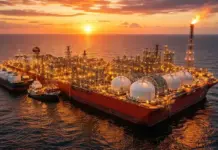





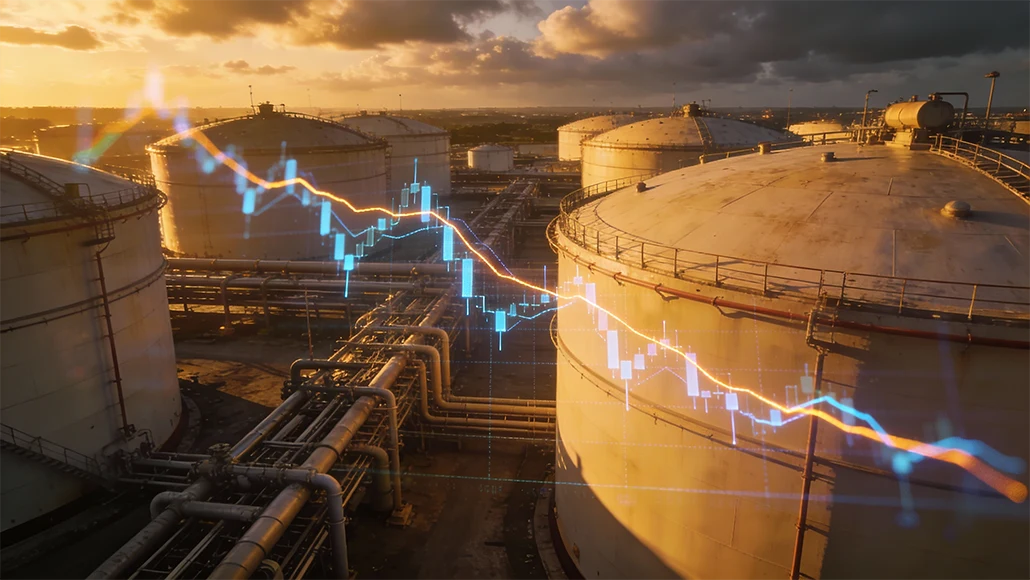
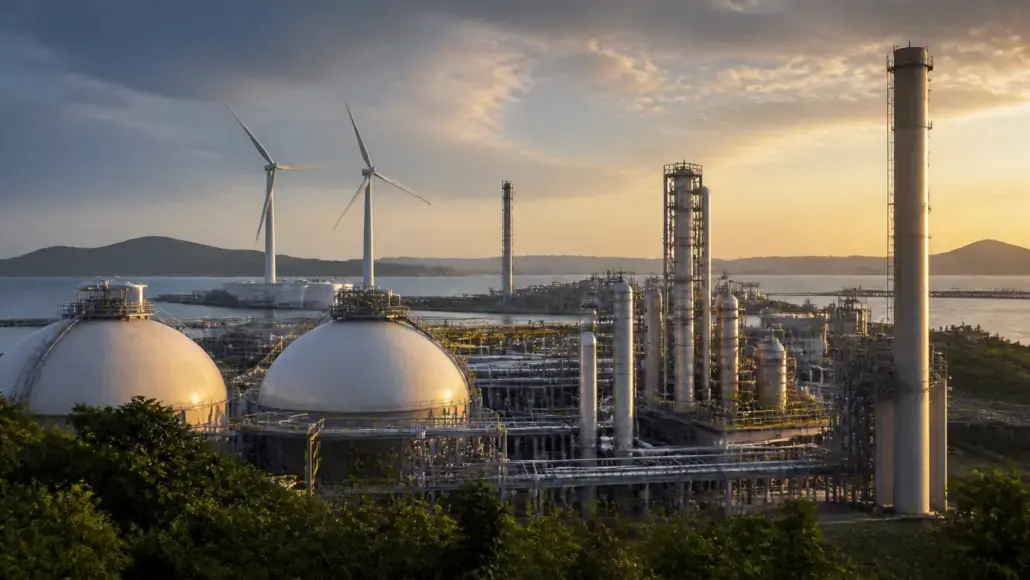
The future outlook for LNG trading in a decarbonized economy presents a paradox: while the global push toward net-zero emissions intensifies, the demand for liquefied natural gas continues to surge as a vital component of the natural gas transition. As we enter the mid-2020s, LNG has transitioned from a niche fuel into a cornerstone of global energy security, providing the flexibility needed to balance the intermittency of renewable energy sources. However, for LNG to maintain its relevance in a low carbon energy landscape, the industry must fundamentally transform its operational footprint, integrating carbon capture, methane abatement, and transparent emissions reporting into the very heart of the trade. The evolution of LNG trading in a decarbonized economy is not just about moving molecules. It is about proving the environmental integrity of every cargo delivered to the international market.
Redefining the Role of Natural Gas in a Net-Zero World
The narrative surrounding natural gas has shifted significantly as the reality of the energy transition becomes more apparent. No longer viewed simply as a bridge fuel that will eventually be phased out, LNG is increasingly recognized as a long-term partner to renewable power and a critical feedstock for the burgeoning hydrogen economy. In many regions, particularly in developing economies across Asia, natural gas offers a pragmatic pathway to displace coal-fired generation, providing an immediate and substantial reduction in greenhouse gas emissions. Oil & Gas Advancement notes that the future outlook for LNG trading in a decarbonized economy is thus tied to its ability to serve as a reliable, lower-carbon alternative to more polluting fossil fuels while new technologies reach commercial maturity.
Furthermore, the volatility of the past few years has underscored the importance of energy diversification and the role of LNG in providing supply-side resilience. Countries that were once heavily dependent on piped gas are now investing in regasification terminals to access the global sea-borne market, creating a more interconnected and liquid trading environment. This liquidity is essential for managing the risks associated with the energy transition, as it allows for the rapid reallocation of resources in response to shifting geopolitical or environmental priorities. As LNG trading in a decarbonized economy matures, we expect to see the development of more sophisticated contracts that prioritize not just volume and price, but also the carbon intensity of the delivered product.
Decarbonizing LNG Supply Chains for Greater Sustainability
For LNG to truly align with a net-zero future, the entire supply chain—from the wellhead to the final consumer—must be scrutinized for emissions. Methane leakage, which has a significantly higher global warming potential than carbon dioxide, is the industry’s most pressing environmental challenge. Leading producers are now deploying advanced monitoring technologies, including satellite surveillance and ground-based sensors, to detect and repair leaks in real-time. By achieving near-zero methane emissions, the LNG industry can significantly enhance its environmental credentials and secure its position as a sustainable gas option in the eyes of regulators and investors.
Beyond methane abatement, the liquefaction process itself is a major source of carbon emissions due to the massive amounts of energy required to cool gas to -162 degrees Celsius. The future outlook for LNG trading in a decarbonized economy involves the electrification of liquefaction terminals, ideally powered by renewable energy sources or nuclear power. Furthermore, the integration of carbon capture and storage (CCS) at the production site allows for the removal of CO2 before the gas is liquefied, creating low-carbon LNG that is more attractive to environmentally conscious buyers. These investments in clean fuel trading infrastructure are essential for maintaining market access in jurisdictions with strict carbon pricing mechanisms, such as the European Union.
The Impact of Methane Abatement and Transparency
Transparency is becoming the new gold standard in LNG trading, as buyers increasingly demand verifiable data on the greenhouse gas emissions associated with their purchases. The rise of certified gas and third-party verification frameworks allows for a more accurate assessment of the environmental impact of different LNG supply chains. This data-driven approach enables a market for sustainable gas where cleaner cargoes can command a premium price. Advancing the future outlook for LNG trading in a decarbonized economy requires the standardization of these reporting protocols to ensure that green claims are credible and comparable across different regions.
Moreover, the digital transformation of the industry is facilitating this transparency by providing an immutable record of emissions data throughout the trade lifecycle. Blockchain technology and smart contracts can be used to link environmental certificates directly to physical cargoes, ensuring that the carbon credits or methane-abatement offsets are accurately accounted for. This level of granular detail is crucial for firms aiming to meet their own corporate net-zero targets and for governments seeking to fulfill their international climate commitments. As sustainable gas becomes a mainstream commodity, the ability to provide transparent, low-carbon energy solutions will be a key differentiator for successful trading houses.
Strategic Pathways for Low Carbon Energy Integration
The integration of LNG into the broader low carbon energy ecosystem requires a strategic rethinking of existing infrastructure and trading patterns. One of the most promising pathways is the use of LNG terminals as hubs for the production and distribution of blue hydrogen. By reforming natural gas and capturing the resulting CO2, these facilities can provide a scalable source of clean energy for hard-to-abate sectors like heavy industry and shipping. This synergy between LNG trading and hydrogen production ensures that current investments in gas infrastructure remain valuable even as the world moves away from traditional fossil fuels.
Another critical pathway is the development of bio-LNG and synthetic e-methane, which can be blended with traditional natural gas to further reduce its carbon intensity. Bio-LNG, produced from organic waste, offers a truly renewable alternative that can utilize existing LNG supply chains without requiring significant modification to vessels or terminals. Similarly, e-methane produced from captured CO2 and green hydrogen can serve as a carbon-neutral energy carrier. The future outlook for LNG trading in a decarbonized economy will likely see a gradual shift toward these net zero fuels, with traditional LNG serving as the foundational volume that provides the necessary scale and liquidity for the market to thrive.
The Role of Carbon Capture and Storage (CCS) in Natural Gas
Carbon capture and storage is perhaps the most critical technology for ensuring the long-term viability of the LNG industry. By capturing carbon at the point of production or combustion and sequestering it underground, the net emissions of natural gas can be reduced to almost zero. Many major LNG projects currently under development are incorporating CCS from the outset, recognizing that the ability to offer carbon-neutral energy is no longer a luxury but a requirement for securing long-term off-take agreements. The integration of CCS into LNG trading in a decarbonized economy represents a massive engineering challenge, but it also offers a clear path toward a sustainable gas future.
In addition to production-side CCS, there is growing interest in downstream carbon capture at the power plant or industrial facility where the LNG is consumed. Some forward-thinking trading houses are exploring integrated deals where they provide both the LNG and the carbon management services, creating a closed-loop system that eliminates the atmospheric impact of the gas. This holistic approach to net zero fuels demonstrates the industry’s ability to innovate and adapt to the demands of a changing climate. As CCS technology matures and the cost of carbon sequestration decreases, we expect it to become an integral part of the global LNG supply chain.
Energy Diversification and Regional Market Resilience
The shift toward a decarbonized economy is also reshaping the geography of LNG trade. Europe’s rapid pivot away from pipeline gas has turned the continent into a premium market for LNG, driving massive investment in new regasification capacity and triggering a global competition for supply. At the same time, emerging economies in Asia are looking to LNG to fuel their industrial growth while meeting their own climate goals. This dual demand pressure creates a highly dynamic and competitive environment where energy diversification is the key to maintaining regional market resilience.
The future outlook for LNG trading in a decarbonized economy depends on the industry’s ability to balance these regional needs with the global imperative for climate action. This requires a flexible and responsive trading framework that can accommodate different regulatory environments and carbon pricing levels. For instance, the implementation of the EU’s Carbon Border Adjustment Mechanism (CBAM) will likely create a bifurcated market where lower-carbon LNG is directed toward Europe, while higher-carbon cargoes are sold in regions with less stringent environmental rules. Navigating this complexity will require sophisticated risk management and a deep understanding of the evolving global policy landscape.
Conclusion: Navigating the LNG Transition Toward 2030
In conclusion, the future outlook for LNG trading in a decarbonized economy is one of transformation and opportunity. While the industry faces significant challenges in terms of methane emissions and the high carbon intensity of liquefaction, the technological pathways to address these issues are becoming increasingly clear. Through the integration of carbon capture, the adoption of bio-LNG, and the promotion of transparent reporting, the industry can ensure that natural gas remains a critical partner in the global energy transition. The success of LNG trading in a decarbonized economy will be measured by its ability to deliver reliable, affordable, and sustainable energy to a world in desperate need of all three.
As we look toward 2030, the firms that will lead the industry are those that embrace the shift toward low carbon energy and treat environmental performance as a core component of their value proposition. This involves not only investing in new technologies but also fostering a culture of transparency and accountability across the entire supply chain. Oil & Gas Advancement believes that by proactively addressing its environmental footprint, the LNG sector can secure its future as a vital pillar of the global net-zero economy, providing the bridge that allows the world to cross from a fossil-fuel-dependent past to a sustainable, carbon-neutral future.
