








Digitalization trends in oil market analysis have ushered in a new era where data is no longer just a byproduct of operations but the primary engine of strategic decision-making. Historically, the oil and gas sector was characterized by its reliance on historical reports and manual data entry, which often resulted in a significant lag between market events and actionable intelligence. However, as we navigate through 2026, the integration of big data in energy, advanced predictive analytics, and real-time sensor technology has fundamentally altered the speed and precision of oil market insights. For traders, analysts, and producers alike, the ability to synthesize vast quantities of unstructured information into clear, predictive models is now the most critical factor in achieving a competitive advantage in an increasingly complex global market.
The Dawn of a Data-Centric Energy Paradigm
The transition toward a data-centric paradigm has been driven by the need for greater transparency and speed in an industry notoriously susceptible to sudden price shocks. Traditional market analysis relied heavily on periodic government reports and voluntary disclosures, which were often incomplete or revised weeks after their release. Today, digitalization trends in oil market analysis utilize satellite imagery, AIS (Automatic Identification System) tracking for tankers, and social media sentiment analysis to provide an instantaneous view of global supply and demand. This shift has empowered smart trading strategies that can react to a pipeline disruption or a sudden change in refinery throughput in minutes, rather than days.
Oil & Gas Advancement notes that central to this transformation is the democratization of high-quality data through cloud-based platforms. These systems allow market participants to access complex datasets that were previously the exclusive domain of major investment banks or national oil companies. By leveraging big data in energy, even mid-sized trading houses can now perform sophisticated correlation analyses, identifying how fluctuations in currency markets or industrial output in emerging economies will likely impact the price of crude. The result is a more efficient market where information is disseminated faster, reducing the prevalence of arbitrage opportunities and increasing overall market stability.
Integrating Big Data in Energy for Macro-Market Insights
The sheer volume of information generated by the modern energy sector is staggering, ranging from geological surveys and wellhead production logs to global shipping manifests and carbon emission reports. Digitalization trends in oil market analysis involve the use of specialized software to clean, categorize, and analyze this information, turning raw data into meaningful oil market insights. By applying machine learning algorithms to these datasets, analysts can identify subtle trends that would be invisible to the human eye, such as a gradual shift in the preferred crude grades of independent refineries or a slow build-up of inventory in non-traditional storage hubs.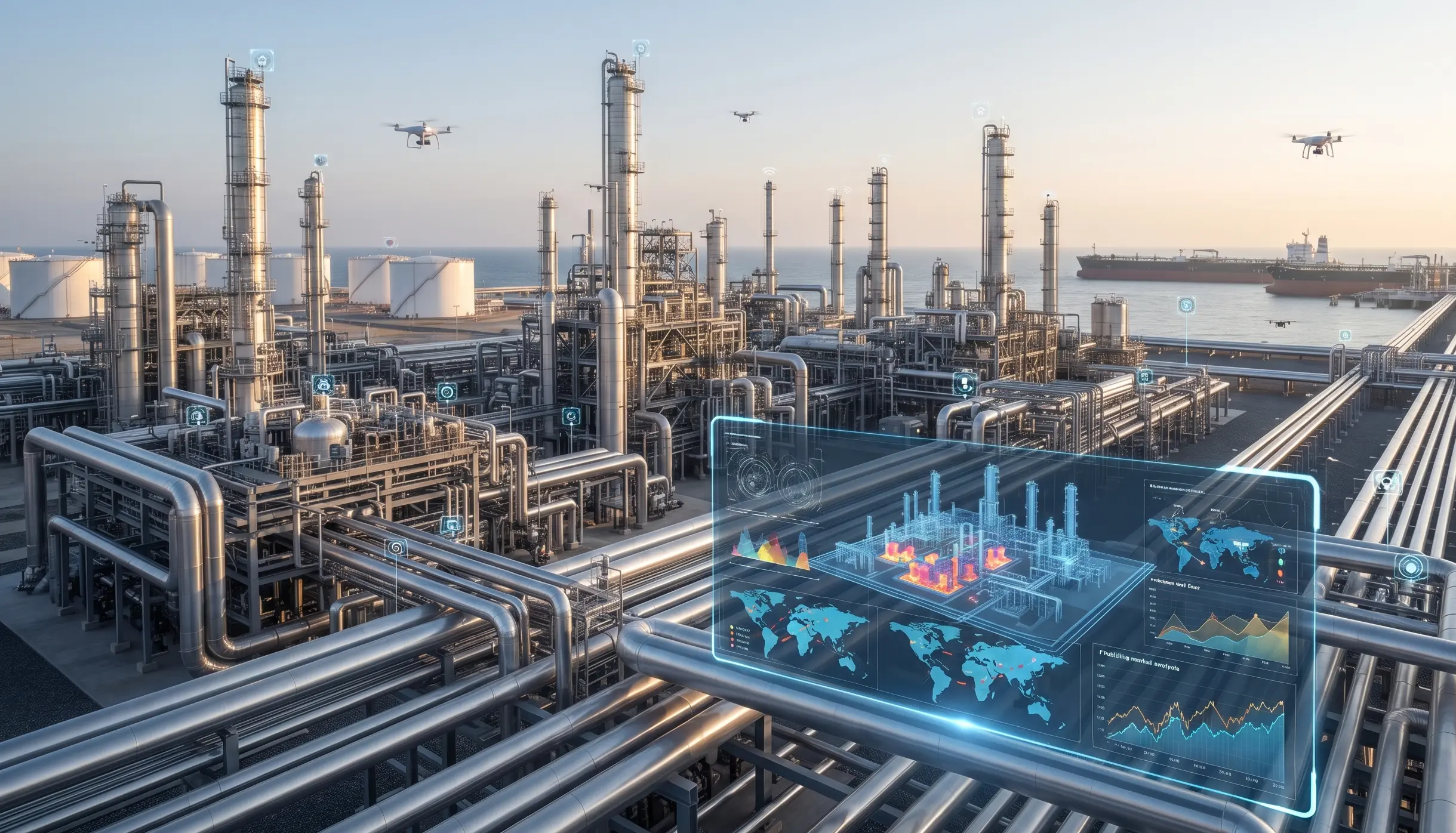 Macro-market insights derived from big data also allow for a more nuanced understanding of the energy transition’s impact on long-term oil demand. As nations implement increasingly stringent environmental regulations, the interplay between traditional fuel markets and renewable energy sectors becomes more pronounced. Predictive analytics tools can now model various decarbonization scenarios, helping firms determine when and where to invest in new production capacity or infrastructure. This data-driven approach minimizes the risk of stranded assets and ensures that the firm’s long-term strategy is grounded in empirical reality rather than optimistic projections.
From Historical Lag to Real-Time Predictive Modeling
One of the most significant digitalization trends in oil market analysis is the shift from retrospective reporting to proactive predictive modeling. In the past, analysts spent the majority of their time looking backward, trying to explain why prices had moved in a certain direction. Modern predictive analytics tools, however, focus on the future, using historical patterns and real-time inputs to forecast price movements across multiple timeframes. These models can account for a wide range of variables, including seasonal demand curves, planned refinery maintenance schedules, and even the probability of geopolitical events based on diplomatic activity.
The accuracy of these models has been greatly enhanced by the integration of Internet of Things (IoT) sensors throughout the oil supply chain. From the digital oilfield to the retail pump, every stage of the process now generates a constant stream of data that can be fed into analytical engines. This real-time feedback loop allows for smart trading that adjusts to the actual flow of physical commodities rather than relying on estimates or proxies. For example, a sudden drop in pressure at a key pumping station can be detected instantly, allowing traders to hedge their positions before the news is officially announced by the operator.
Technological Pillars of the Modern Digital Oilfield
The concept of the digital oilfield has evolved from a futuristic vision into a standard operational requirement for producers aiming to optimize their margins. A digital oilfield utilizes a network of connected devices to monitor production, pressure, and temperature in real-time, allowing for remote operation and predictive maintenance. This technological pillar not only improves safety and efficiency at the wellhead but also provides the high-fidelity data necessary for advanced market analysis. By knowing exactly how much oil is being produced and at what cost, firms can make more informed decisions about their market participation and long-term capital allocation.
Furthermore, the digital oilfield facilitates the implementation of automated reporting, which reduces the administrative burden on field personnel and minimizes the risk of human error. Accurate, timely production data is essential for maintaining the integrity of the global oil market, as it prevents the spread of misinformation and reduces market manipulation. As more producers adopt these technologies, the overall transparency of the industry increases, leading to a more stable and predictable environment for all participants. The integration of these field-level insights into the broader market analysis workflow is one of the most impactful digitalization trends transforming oil market analysis today.
Advancing Smart Trading Through Algorithmic Execution
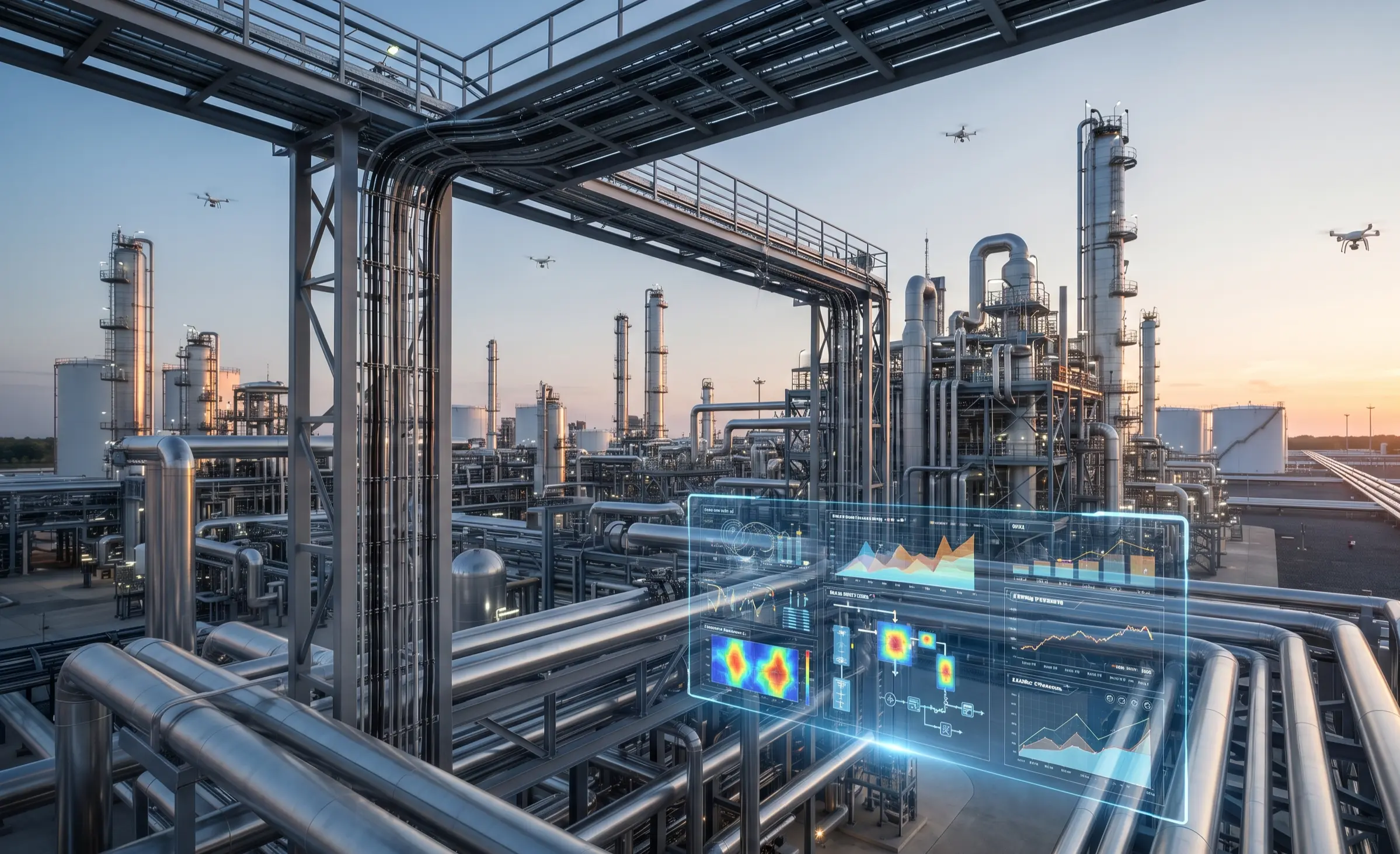
Algorithmic trading has become a dominant force in the oil markets, accounting for a significant percentage of total volume on major exchanges. These algorithms are designed to execute trades at the most favorable prices based on pre-defined parameters, such as price trends, volume thresholds, or volatility levels. Digitalization trends in oil market analysis have enabled the development of even more sophisticated smart trading bots that can incorporate alternative data sources, such as news headlines or satellite-derived inventory estimates, into their decision-making process. This allows for high-frequency trading that can capitalize on micro-inefficiencies in the market with surgical precision.
However, the rise of algorithmic trading also introduces new challenges, such as the potential for flash crashes or increased market volatility during periods of high uncertainty. To mitigate these risks, firms are investing in robust risk management systems that can monitor algorithmic activity in real-time and intervene if necessary. The most successful smart trading operations are those that combine the speed of automation with the strategic oversight of human traders, ensuring that the technology remains aligned with the firm’s broader market objectives. This synergy between man and machine is a hallmark of the modern approach to oil market insights.
Enhancing Decision-Making with Automated Reporting
The transition toward automated reporting has fundamentally changed the role of the oil market analyst. Instead of spending hours gathering and formatting data from disparate sources, analysts can now rely on automated platforms to generate comprehensive reports at the touch of a button. These reports can be customized to focus on specific regions, crude grades, or market segments, providing executives with the exact information they need to make informed decisions. This efficiency allows analysts to spend more time on high-value tasks, such as developing new predictive models or exploring the strategic implications of emerging market trends.
Automated reporting also ensures a level of consistency and accuracy that is impossible to achieve through manual processes. By using standardized data protocols and validated calculation engines, firms can eliminate the discrepancies that often lead to internal confusion or external compliance issues. In a regulatory environment that is increasingly focused on transparency and environmental accountability, the ability to produce verifiable, real-time reports is a major competitive advantage. As digitalization trends in oil market analysis continue to mature, the use of automated reporting will become a baseline requirement for any firm operating in the global energy sector.
The Future of Oil Market Insights and Supply Chain Optimization
Looking ahead, the next frontier in oil market analysis will involve the widespread adoption of artificial intelligence and blockchain technology to further optimize the supply chain. AI-driven systems will be able to manage the entire lifecycle of a trade, from identifying a profitable opportunity to coordinating the physical delivery and settling the payment. Meanwhile, blockchain can provide an immutable ledger of every transaction, reducing the risk of fraud and streamlining the complex process of cross-border energy trading. These innovations will build upon the foundations of big data and predictive analytics to create a truly integrated and autonomous energy market.
Digitalization trends in oil market analysis will also play a crucial role in the industry’s efforts to reduce its carbon footprint. Oil & Gas Advancement believes that by providing a transparent view of the emissions associated with every barrel of oil, these technologies allow for the growth of green crude markets and the integration of carbon credits into traditional trading workflows. The ability to accurately track and report environmental impact is becoming just as important as the ability to forecast price, as investors and regulators increasingly demand accountability from the energy sector. In this context, digitalization is not just about profit it is about the long-term sustainability of the oil industry in a decarbonizing world.
