











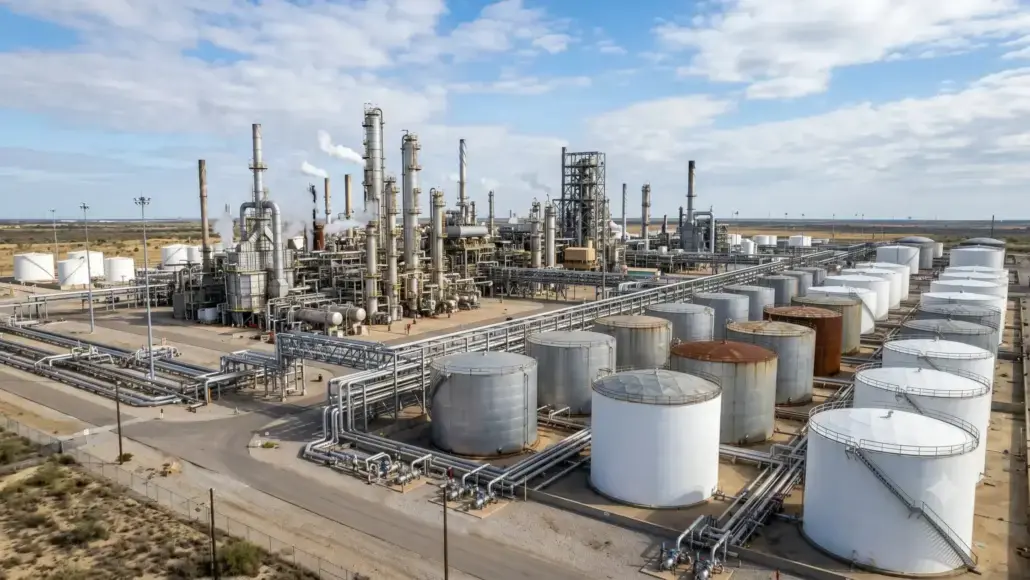
The Dangote Petroleum Refinery & Petrochemicals has successfully elevated its crude oil processing capacity to 700,000 barrels per day (bpd) following performance testing by the Process Licensors. This advancement represents a substantial achievement in the facility’s operational growth and reinforces its standing as the world’s largest single train petroleum refinery. By surpassing its nameplate capacity of 650,000 bpd to 700,000 bpd, the facility demonstrates exceptional engineering expertise and operational proficiency in processing additional feedstock while maintaining optimal performance across production units.
According to Devakumar Edwin, Vice President for Oil and Gas at Dangote Industries Limited, the capacity increase to 700,000 bpd forms part of a comprehensive strategy to more than double processing capabilities to 1.4 million bpd over the next 30 months. This ambitious growth trajectory positions the facility to potentially become the largest refinery globally. Edwin underscored that the expansion initiative reflects a deliberate progression toward continental and global refining dominance, extending well beyond domestic supply requirements.
The 700,000 bpd milestone is anticipated to significantly bolster Nigeria’s energy self-sufficiency by eliminating dependency on imported refined products while establishing the nation as a prominent regional export hub. This development aligns with broader national objectives to enhance local refining infrastructure and maximize economic value derived from Nigeria’s substantial crude oil reserves.
Since commencing fuel production in 2024, the facility owned by Nigerian industrialist and philanthropist Aliko Dangote has rapidly established itself as a major supplier to both domestic and international markets. The refinery has successfully exported refined petroleum products to multiple African nations and key European destinations, including the United Kingdom, France, Spain, Italy, and the Netherlands. Additionally, the facility has supplied petrol to American markets and jet fuel to Saudi Arabia and other international clients.
The facility has also played a stabilizing role within the petroleum industry during periods of disruption, particularly given ongoing Middle Eastern tensions. Many African countries have increasingly turned to the refinery for energy security, demonstrating the strategic importance of local refining capacity in the continental energy landscape.
The crude oil processing capabilities of the refinery have proven instrumental in stabilizing fuel supplies throughout Nigeria, directly reducing the nation’s dependence on imported petroleum products and alleviating pressure on foreign exchange reserves. The growing production volumes have attracted considerable attention from global crude suppliers and commodity trading entities, with the refinery sourcing feedstock from both domestic and international producers to sustain escalating output levels.
Aliko Dangote has communicated ambitious plans to transform the facility into the world’s largest refinery by 2028, with a targeted processing capacity of 1.4 million barrels per day. This expansion initiative is expected to generate substantial economic benefits, including employment creation, increased industrial activity, and improved trade balance positions for the nation.
The refinery will strengthen downstream manufacturing by guaranteeing consistent supply of Liquefied Petroleum Gas (LPG) and other critical industrial feedstocks, particularly polypropylene utilized extensively in packaging materials and consumer goods production. The facility has also outlined future plans for Linear Alkylbenzene (LAB) supply, an essential ingredient in detergent manufacturing, thereby establishing integrated value chains across multiple industrial sectors.
