

























Japan is intensifying efforts to secure stable oil supply as disruptions continue to strain global markets. On 23rd April 2026, Sanae Takaichi held a telephone conversation with Mohammed bin Salman, seeking cooperation from Saudi Arabia to expand energy deliveries. During the discussion, Takaichi “expressed her appreciation for Saudi Arabia’s continued supply of crude oil to Japan via Yanbu Port even after the outbreak of the situation, and requested cooperation toward the expansion of energy supply to Japan,” the office of the Japanese PM said in a statement.
In response, the Saudi ruler “expressed Saudi Arabia’s intention to respond positively in order to ensure energy supply to markets including Japan,” the Asian G-7 economy said. The dialogue highlights Japan’s reliance on a consistent oil supply, particularly at a time when geopolitical tensions are tightening availability.
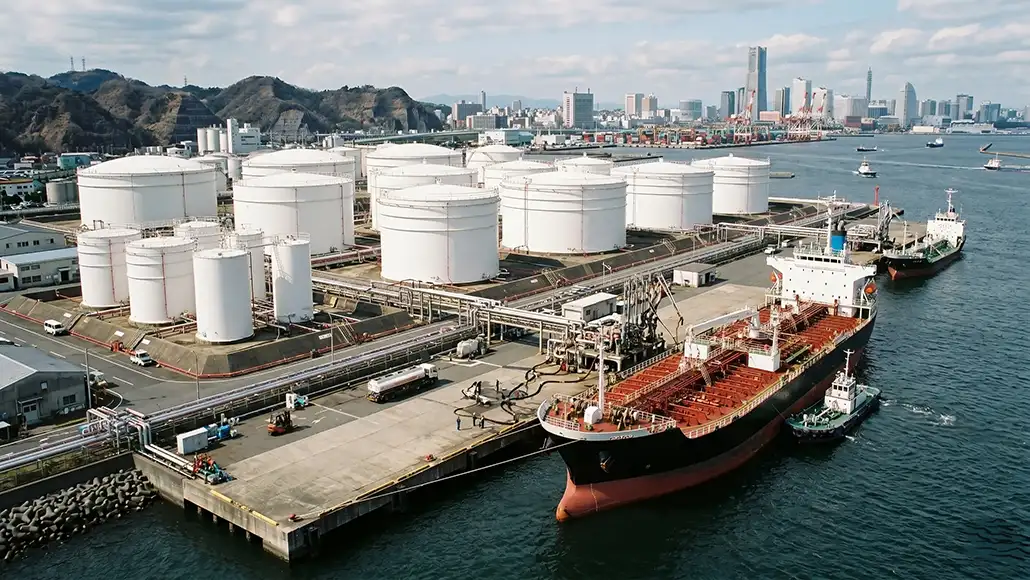
As a resource-poor nation, Japan depends heavily on Middle Eastern oil supply, and the recent supply crunch has underscored this vulnerability. A significant portion of shipments has been unable to transit the Strait of Hormuz, one of the world’s most critical oil and LNG chokepoints, causing immediate pressure on oil supply chains. The disruption has made clear how sensitive Japan’s energy security is to developments in the region. Reinforcing commitments to stability, Mohammed bin Salman told the Japanese PM that he “would continue to cooperate with Japan to stabilize the situation, including ensuring safe navigation in the Strait of Hormuz,” Japan said today. These assurances are central to maintaining uninterrupted oil supply amid escalating risks.
To manage the strain, Japan has already taken steps to draw from its strategic reserves. The country, which sources about 95% of its oil supply from the Middle East, began releasing stocks at the end of March as part of the International Energy Agency-coordinated record-high release of 400 million barrels of oil and fuel. Within this framework, Japan is releasing a total of 80 million barrels, including 54 million barrels of crude and 26 million barrels of oil products, to stabilize domestic oil supply. Earlier this month, the government also confirmed plans to release an additional 20 days’ worth of oil from reserves starting next month, with all volumes directed toward the domestic market. These measures collectively aim to cushion the impact of supply disruptions while reinforcing the resilience of Japan’s oil supply system.
