













Oil markets once again rallied past USD100 per barrel as tensions surrounding the ongoing conflict involving Donald Trump’s administration and Iran showed little sign of easing. The White House signalled that the war could continue for several more weeks, intensifying concerns about disruptions to global energy supplies. At the time of writing, Brent crude, the global benchmarK, climbed 1.04% to roughly $104.29 a barrel, while WTI Crude gained 0.09% to $98.02. The continued surge has pushed oil firmly past $100 per barrel, reflecting growing anxiety across energy markets as a key maritime route remains blocked.
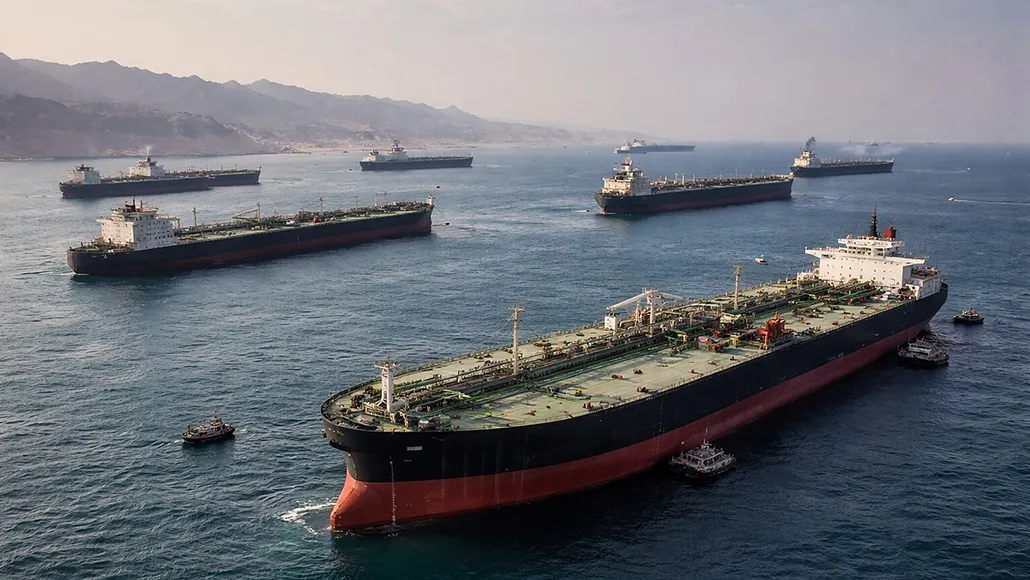
The conflict involving the United States and Israel against Iran has entered its third week, creating what analysts describe as the largest oil disruption in history. Since the war began, tanker traffic through the Strait of Hormuz, a critical passage responsible for roughly 20% of global oil supply, has effectively halted. Iran controls the narrow chokepoint, and the closure has rapidly tightened supply expectations worldwide, driving crude prices past USD100 per barrel. Washington has attempted to reassure markets by outlining plans to deploy naval escorts for tankers departing the Middle East, though officials recently acknowledged that the Navy may require weeks to prepare for the operation.
Trump also appealed publicly for international cooperation to reopen the strait. In a Truth Social post on Saturday, he urged other nations to help restore tanker movements, “so that everything goes quickly, smoothly, and well.” Despite those calls, tensions have escalated. Iran has reportedly increased pressure in the region by laying mines in the strait and warning it could strike any US-linked oil and gas infrastructure. Tankers have already been struck in the waterway since the war began on February 28. Meanwhile, US forces have targeted Kharg Island, the hub for most of Iran’s oil production, though the administration has said Iran’s oil output itself has been spared for the moment.
With crude holding past USD100 per barrel, the US government has also pursued measures aimed at stabilizing supply. Over the weekend, officials approved a new offshore project for BP along the US Gulf coast, marking the company’s first development there since the Deepwater Horizon disaster. At the same time, Energy Secretary Chris Wright directed Sable Offshore Corp. to restart offshore oil rigs and pipelines near Southern California. International coordination has also begun: members of the International Energy Agency agreed to release 400 million barrels of emergency oil, the group’s largest collective action to date, although those supplies will not reach markets until the end of March. Rising crude costs are already affecting consumers, with US gasoline prices climbing to an average of $3.70 per gallon since the conflict began, according to the American Automobile Association.
