





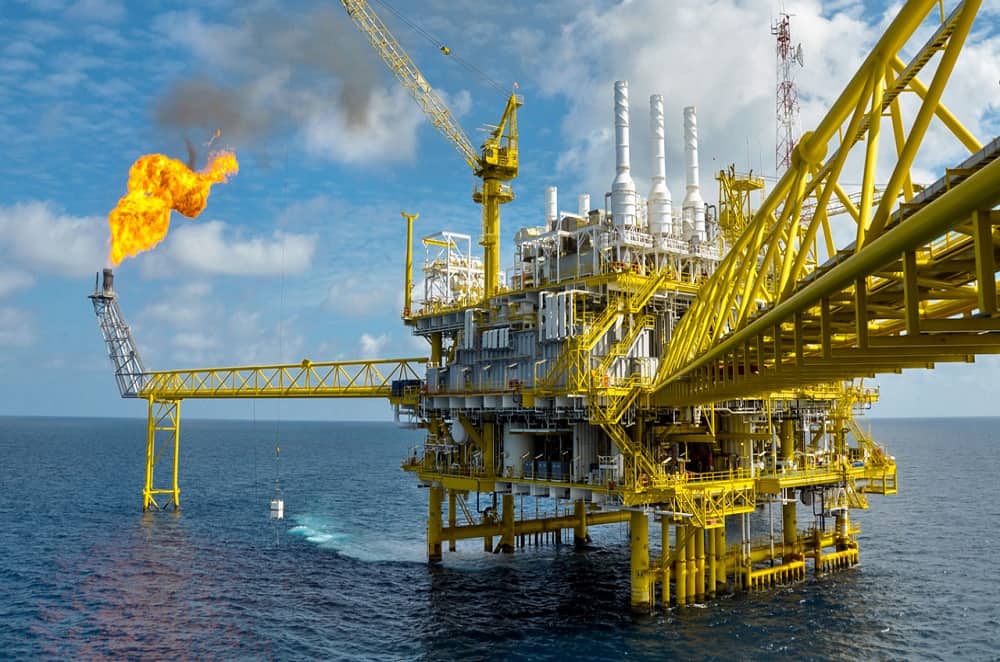



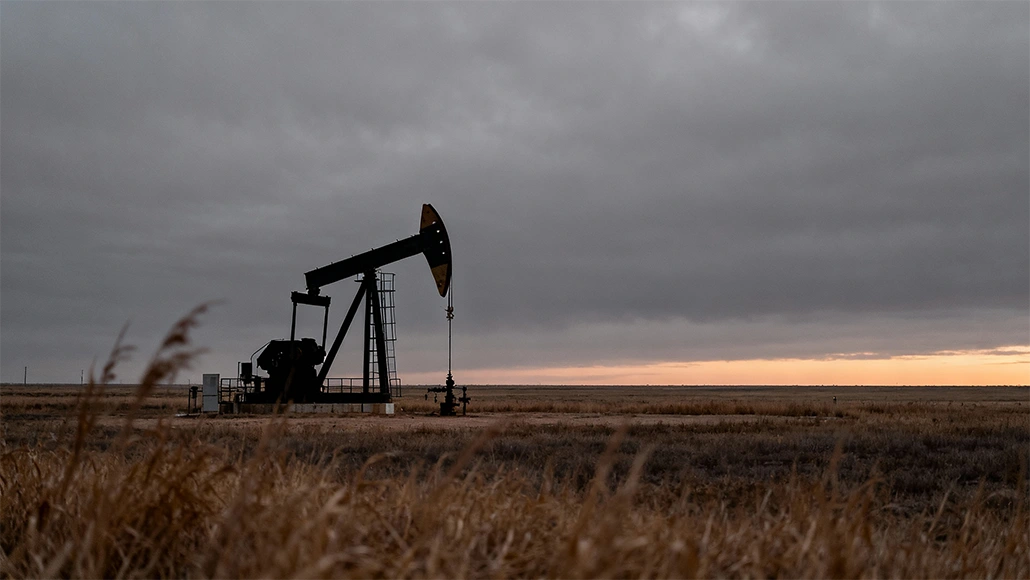
The global maritime energy industry is currently facing a dual challenge: meeting the world’s persistent demand for reliable power while drastically reducing its own environmental footprint. Central to solving this dilemma is the electrification of offshore platforms at an industrial scale. Traditionally, offshore facilities have operated as “energy islands,” generating their own power using on-site gas turbines or diesel generators. While effective, these decentralized power plants are often inefficient and are a primary source of carbon dioxide and nitrogen oxide emissions. By transitioning to a centralized power model leveraging high-voltage subsea cables from shore or local renewable sources the industry is poised to achieve a massive leap in its environmental and operational performance.
The shift toward offshore platform electrification is no longer a niche environmental project; it is becoming a strategic necessity for the world’s leading energy companies. Driven by the rising cost of carbon, the increasing efficiency of subsea power transmission, and the rapid growth of offshore wind, the case for electrification is becoming overwhelmingly compelling. This transformation is not merely about swapping one power source for another; it involves a fundamental redesign of the offshore energy architecture, turning platforms into intelligent nodes within a larger, cleaner, and more integrated regional power grid. The goal is a truly “clean offshore energy” sector that can thrive in a net-zero future.
The Strategic Role of Shore Power Offshore
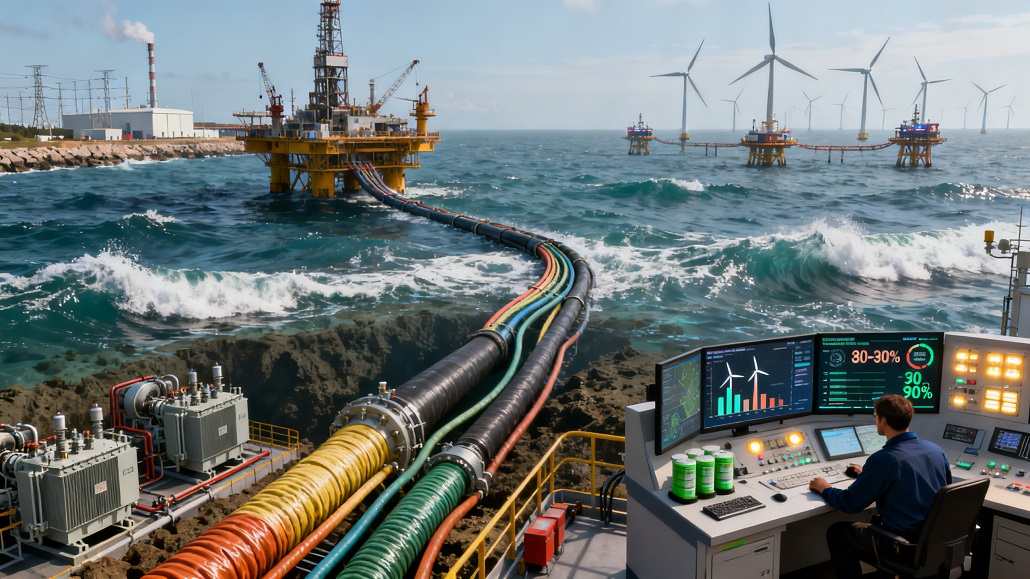
One of the most impactful ways to achieve electrification is through the use of shore power offshore. This involves the installation of long-distance subsea cables that transmit electricity from the terrestrial grid directly to the offshore platform. In regions like the North Sea and the Norwegian Continental Shelf, this technology is already proving its worth, allowing platforms to shut down their on-site turbines entirely. The environmental benefits are immediate: because the shore-based grid is increasingly powered by a mix of hydro, wind, and nuclear energy, the carbon intensity of the offshore production falls by as much as 80-90%. This represents one of the most significant levers available for large-scale offshore emissions reduction.
The technical challenges of transmitting high-voltage power over hundreds of kilometers of seabed are substantial. It requires sophisticated High-Voltage Direct Current (HVDC) or High-Voltage Alternating Current (HVAC) systems and complex subsea transformers to manage the power flow. However, the long-term operational benefits are significant. Shore power provides a much more stable and reliable power supply than on-site turbines, which are prone to mechanical failure and require intensive maintenance. By reducing the number of moving parts on the platform, operators can lower their operational expenditure (OPEX) and reduce the number of personnel required for maintenance, further enhancing the safety and economic viability of the asset.
Advancing Offshore Renewable Integration
While shore power is ideal for near-shore assets, more remote platforms are increasingly looking toward offshore renewable integration. The proximity of many offshore oil and gas fields to high-wind areas creates a unique opportunity for synergy. By installing dedicated offshore wind turbines or connecting to a regional offshore wind farm, platforms can source their power directly from the wind. This “wind-to-platform” model is becoming a cornerstone of the strategy for clean offshore energy, particularly in the Asia Pacific and European regions where offshore wind is seeing explosive growth.
Integrating intermittent renewable energy into a 24/7 industrial operation requires a sophisticated power management system and, in many cases, a hybrid energy storage solution. This might involve the use of battery storage or the continued use of gas turbines as back-up power that can be ramped up or down in response to wind conditions. As hydrogen technology matures, excess wind power could also be used to produce “green hydrogen” at the platform, providing a clean fuel source that can be stored and used for power generation during periods of low wind. This level of offshore renewable integration represents the pinnacle of sustainable energy engineering, turning traditional production sites into pioneers of the circular energy economy.
Economic Drivers and the Carbon Tax Incentive
The transition to electrification of offshore platforms is being accelerated by the evolving economic landscape. Many jurisdictions are introducing increasingly high carbon taxes, making the continued use of on-site gas turbines a major financial liability. For an operator, the cost of paying for thousands of tons of CO2 emissions each year can quickly exceed the capital cost of installing a subsea power cable. In this context, electrification is a clear form of “future-proofing,” protecting the asset from the rising costs of carbon and ensuring its competitiveness in a decarbonizing global market.
Furthermore, investors and financial institutions are placing a premium on assets with lower carbon intensity. Companies that can demonstrate a clear and actionable path toward offshore emissions reduction can access cheaper capital and are more attractive to ESG-focused investors. The move toward electrification is also fostering a new era of regional cooperation. Projects that involve shared subsea power grids or cross-border renewable hubs allow multiple operators to share the costs and risks of electrification, making it more feasible for smaller or marginal fields. This collaborative spirit is essential for achieving the scale required for a truly transformative shift in the energy sector.
Technical Innovation in Subsea Power Transmission
The success of industrial-scale electrification depends on continuous innovation in subsea power transmission technology. Modern subsea cables are becoming more efficient, with lower energy losses over long distances and higher capacity to handle the power needs of multiple platforms. The development of subsea power hubs centralized underwater distribution units that can manage power from multiple sources and direct it to multiple users is a key trend. These hubs allow for a more flexible and scalable “grid-at-sea” that can grow as new fields and renewable projects come online.
Innovation is also happening on the platform itself. Traditional offshore electrical systems were designed for localized power generation and often lack the capacity or the “smart” features required for grid integration. Modern electrification projects involve the installation of advanced power conversion units and digital control systems that can balance the supply from the grid, renewables, and on-site storage in real-time. This level of digital control is a vital part of the digital oilfield offshore, allowing for the optimization of energy consumption and the reduction of waste. The combination of high-power subsea engineering and high-speed digital control is turning platforms into the most advanced nodes of the modern energy system.
The Socio-Economic and Environmental Impact
The electrification of offshore platforms has profound socio-economic and environmental implications. By reducing the noise and air pollution associated with gas turbines, electrification creates a healthier and safer working environment for the offshore workforce. Environmentally, the reduction in localized emissions is a major benefit for marine ecosystems and coastal communities. Furthermore, the development of the supply chain for subsea cables and offshore renewable integration creates thousands of high-skilled jobs in engineering, manufacturing, and maritime services, driving technological advancement across the broader economy.
However, the transition must be managed with a focus on grid stability and equity. In regions where the land-based grid is already under pressure, the sudden addition of large-scale offshore demand must be carefully coordinated with grid operators. This requires a high degree of policy alignment and long-term planning between the energy industry and national governments. By ensuring that electrification projects are integrated into a broader national or regional energy strategy, the industry can ensure that the transition to clean offshore energy benefits all stakeholders and contributes to a more resilient and secure energy future.
Conclusion: Powering the Future Responsibly
In conclusion, the electrification of offshore platforms at an industrial scale is a vital and unstoppable trend that is reshaping the global maritime energy sector. By integrating shore power offshore and embracing offshore renewable integration, the industry is providing a clear and actionable response to the challenge of climate change. This journey is marked by significant technical, economic, and logistical hurdles, but the potential rewards in terms of environmental preservation, operational efficiency, and regional stability are far-reaching.
As the industry continues to evolve, the focus must remain on the relentless pursuit of innovation and collaboration. The platforms of the future will not be isolated energy islands, but integrated, intelligent nodes in a global network of clean offshore energy. The transition to a decarbonized offshore sector is not just an environmental imperative; it is an opportunity to lead the world into a new era of energy responsibility and progress. Through a steadfast commitment to technological excellence and a forward-looking perspective, the vision of a fully electrified and sustainable offshore industry is becoming a reality, powering the world’s ambitions while protecting the planet for generations to come.
