



















Detroit heavy oil upgrade project
The Detroit Heavy Oil Upgrade Project was launched by Marathon Petroleum Company in June 2008 to upgrade its refinery in Detroit, US. It is the only refinery located in the Michigan region.
The $2.2bn upgrade project was completed in November 2012. It increased the refinery’s capacity from 106,000 barrels per day to 120,000 barrels per day.
The upgrade enables the refinery to produce 400,000 gallons of additional motor fuels per day. It is expected to contribute $230m in tax revenues until 2030.
Around 60 full-time jobs and 75 contractor positions have been created by the project.
History of Marathon’s Detroit refinery
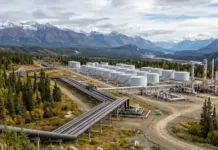
The Detroit refinery, built in 1930, is spread over an area of 250 acres (101ha). It can process a wide range of crude oils, from light to heavy sour. Major processes of the refinery include crude distillation, catalytic cracking, hydrotreating, reforming, alkylation and sulphur recovery.
The products produced by the refinery include gasoline, diesel, asphalt, propane and sulphur. These products are distributed through pipeline, truck, rail and barge.
Capacity extension at the heavy oil refinery in Detroit
“By upgrading the refinery, Marathon will be able to reduce its crude costs.”
The upgrade of Detroit refinery was launched to enable the processing of Canadian heavy crude. Marathon owns interests in several Canadian oil sands projects and has secured a steady supply of crude oil. Canada’s oil resources are the third largest in the world. It is however a heavy crude containing a mixture of sand, clay, water and bitumen.
Canadian crude costs less than light sweet crude from the US. By upgrading the refinery, Marathon will be able to reduce its crude costs.
The expansion will also reduce the refinery’s reliance on crude oil supply from the Gulf Coast which has been known to be affected by weather and operational issues. It will also ensure a secure supply of transportation fuels to Michigan.
Crude oil formed 24% of the refinery’s input with the remaining being medium, sour, synthetic and sweet conventional oils. Following completion of the upgrade, the crude oil input of the refinery has increased to 88% with the remaining being medium sour crude.
Construction and infrastructure
The upgrade project added new equipment to the refinery enabling it to process heavy and viscous crude oils. The equipment included a 28,000 barrels per day delayed coker unit, which will enable the refinery to produce liquid petroleum fuel blend components and higher quality gasoline, diesel and petroleum coke.
A sulphur recovery complex was added to recover the sulphur removed from fuels. The complex has a capacity of 280t per day. A catalytic reduction system to control nitrogen oxides was also installed.
The upgrade also added a 33,000 barrels per day distillate hydrotreater which will extract sulphur from diesel and kerosene. It will reduce the amount of sulphur emissions from the refinery.
A new hydrogen plant has been installed to supply hydrogen to the hydrotreating units which will remove sulphur from motor fuels. The new plant has a capacity of 58 million standard cubic feet per day. Installation of 180 heat exchangers and 16 compressors was also part of the upgrade.
The existing infrastructure at the refinery including the fluid catalytic cracking unit, the Merox unit, and the alkylation unit underwent major upgrades. The gas oil hydrotreater unit, kerosene hydrotreater and the naphtha hydrotreating unit underwent minor upgrades.
New utilities and offsites, tankage, flares and interconnecting pipelines were also installed. The existing utilities and offsites were also upgraded.
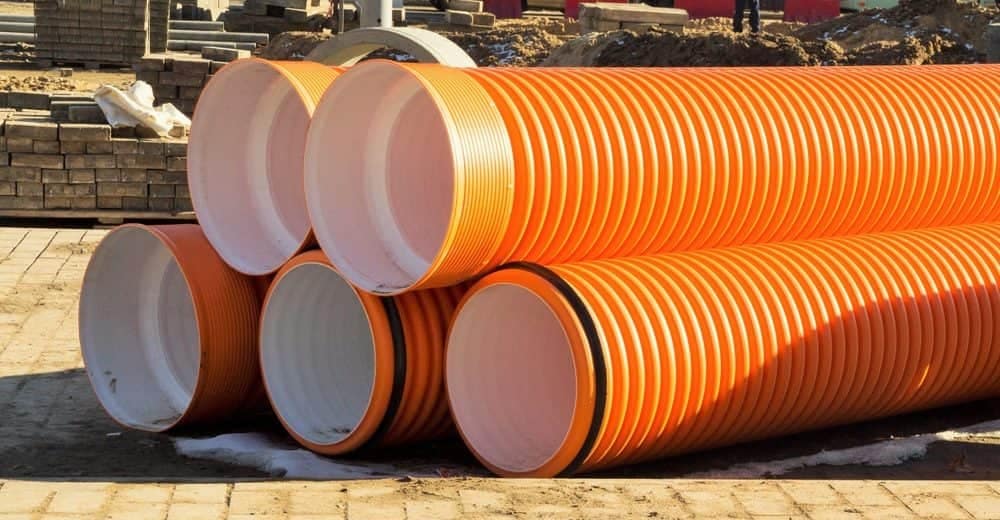
The project required installation of 7,700 piles and 100 miles of pipe. About 50,000 cubic yards of concrete was used for the construction of various units.
Connection
A 1.5 mile long pipeline was installed to transport Canadian crude oil to the Detroit refinery. Canadian heavy crude is very thick and cannot be transported in its original form through a pipeline, and needs to be partially processed and then combined with other liquids such as lighter crude oil to enable easy transportation through a pipeline.
“A 1.5 mile long pipeline was installed to transport Canadian crude oil to the Detroit refinery.”
Contractors
Fluor Corporation was awarded the front-end engineering and design (FEED), and engineering, procurement and construction (EPC) contract for the project.
EC Korneffel carried out piling works for the project.