

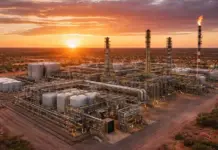


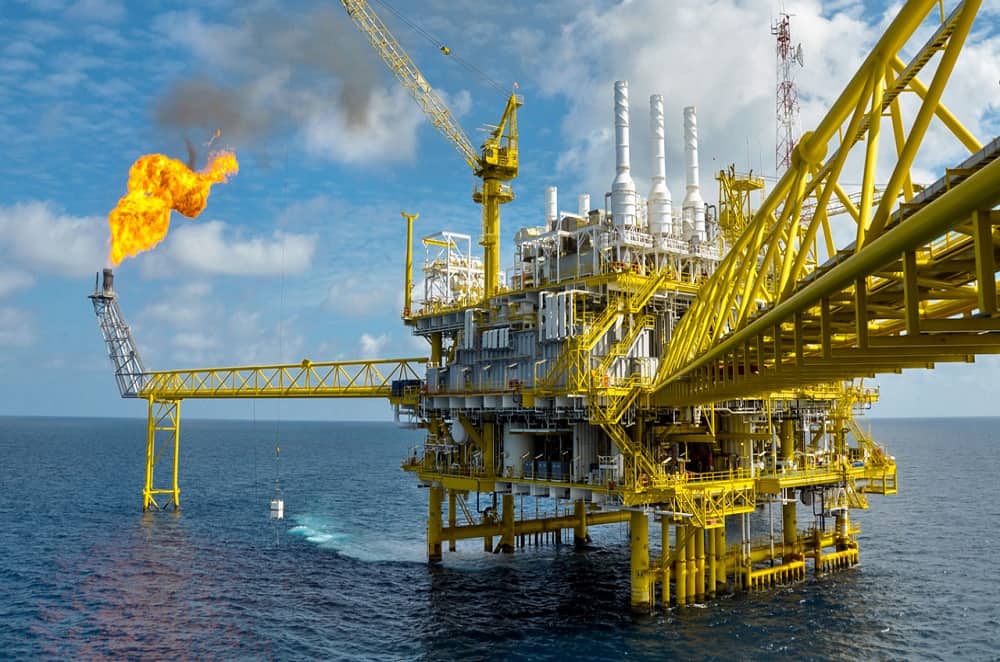
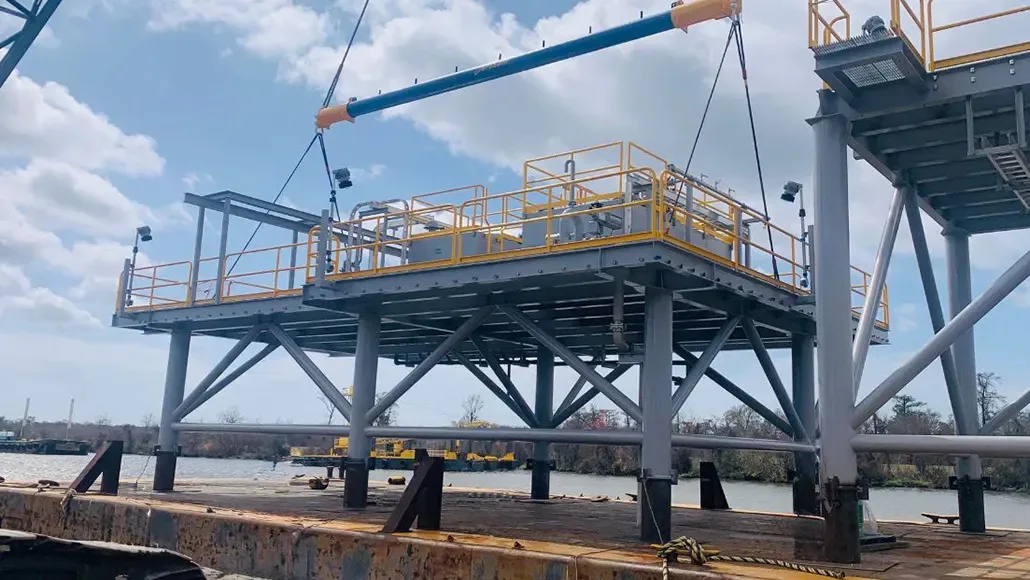
Energy infrastructure provider Morrison Energy has begun shipping the first finished modules for the Shell Fourchon Resiliency project, with units loaded in Harvey and transported to Port Fourchon for installation. The U.S. contractor says it is carrying out its assigned scope safely and in line with the established timeline, with commissioning of the new facility targeted for summer 2026. The Shell Fourchon Resiliency project is expected to increase overall reliability, improve system functionality, and enhance regional oil flow capacity. As part of the buildout, some 500 tons of modules are being manufactured in Houma and Harvey.
The Shell facility will play a crucial role in controlling the flow of crude across many offshore pipelines once it is online. The project is anticipated to improve flood and storm resilience and increase efficiency and safety throughout the Gulf’s transportation network. Shell, Chevron, Danos, and the Greater Lafourche Port Commission are partners in the Shell Fourchon Resiliency project. Together, they intend to establish new marshland from dredged materials generated by port expansion to support both infrastructure and environmental restoration.
This nature-based strategy is designed to shield critical assets, strengthen ecological conditions, and bolster community resilience stretching from Fourchon to Larose. The Water Institute of the Gulf is collaborating across the coastal zone with ports and industry stakeholders to tackle infrastructure challenges in vulnerable landscapes. Through its efforts, the Institute has helped form a public-private partnership with the Port, Shell, Chevron, and Danos to identify the most effective, nature-based method for deploying dredged material to defend key infrastructure, enhance environmental outcomes, support communities from Fourchon to Larose, and deliver carbon capture sequestration (CCS) benefits.
Expected to be finished in the third quarter of 2026, the Shell Fourchon Resiliency project is in line with Shell’s larger plan to upgrade current energy transport infrastructure in response to changing production needs and increasing environmental expectations in the U.S. Gulf region.
This project represents a long-term commitment to maintaining regional energy stability, reducing operational restrictions for offshore production platforms, and reducing bottlenecks along crude transportation corridors.
