








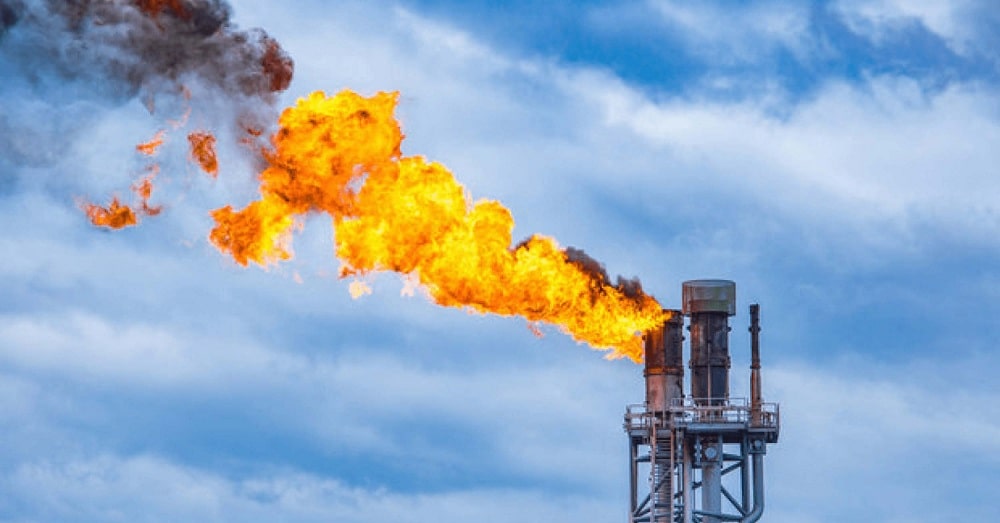
Shell and BP recently joined the Collaboratory for Advancing Methane Science (CAMS), an industry-led consortium helping the natural gas and oil industry continue to improve its environmental performance. Working to deliver transparent data to evaluate the most effective methane emissions reduction strategies, CAMS was established by leading industry companies Cheniere, Chevron, Equinor, ExxonMobil, and Pioneer Natural Resources.
CAMS is pursuing studies advancing science on where and how methane emissions are occurring along the natural gas value chain. The University of Texas-Austin recently started working on CAMS’ first project to develop an open access oil and gas operations emissions calculator. The open source model will estimate methane emissions at a basin level and enable operators to evaluate effectiveness of mitigation strategies. It will incorporate knowledge from past studies into the model, and will assess spatial and temporal variations in emissions.
Results from all CAMS projects will be submitted for publication in peer-reviewed scientific journals, offering transparent data to help stakeholders identify the most effective reduction strategies. These efforts will complement recent methane emissions studies sponsored by government agencies and academia and build on lessons learned from that body of work. In addition, the group will evaluate new tools and technologies to better detect leaks and characterize emissions.
“Shell continually seeks opportunities to broaden our knowledge related to methane emissions and reducing our environmental footprint. We see CAMS as a unique resource that could help inform and realize our targeted ambition towards lowering our methane emissions along the natural gas value chain,” said Gretchen Watkins, president of Shell Oil Company.
“Natural gas has a vital role to play in helping the world transition to a lower-carbon future, but we must control methane emissions for it to reach its full potential,” said Susan Dio, chairman and president of BP America. “That’s why we’re taking action to minimize methane emissions in our operations and working through important collaborations like this one to do more.”
