

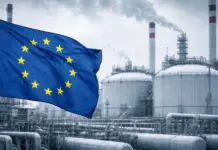





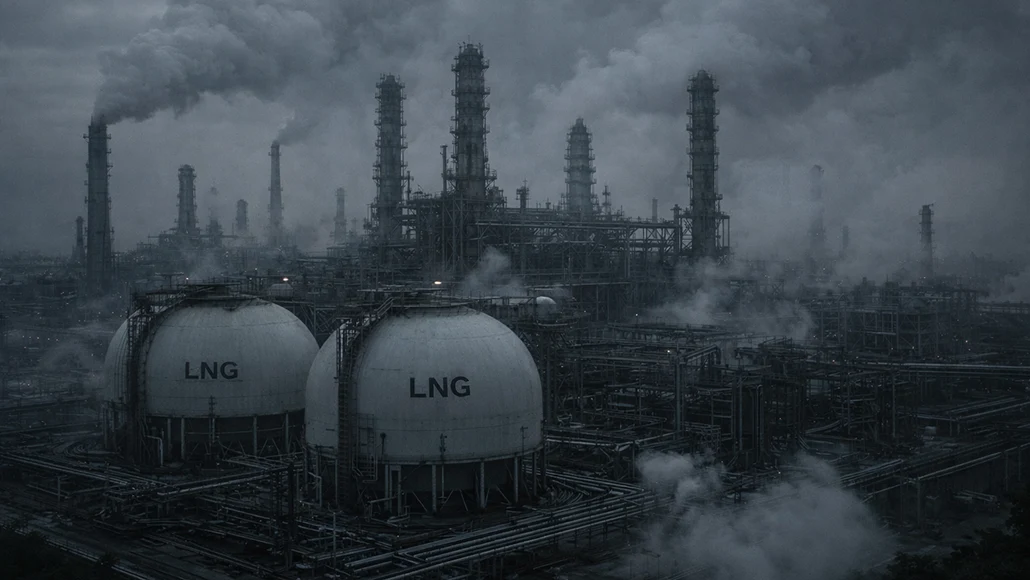
The sudden halt of liquefied natural gas exports from Qatar this week has sharply lifted fuel prices across Europe and Asia, creating a market environment that could significantly boost Western energy firm profits. The disruption follows U.S.-Israeli attacks on Iran that began on 28th February 2026, affecting regional energy flows and leading to the suspension of gas shipments. In the current market landscape, Western Energy Firms represent the most practical replacement suppliers for countries and industrial customers that previously depended on Qatar for gas used in electricity generation and in the production of chemicals, steel, and other manufactured goods. As a result, major European companies such as Shell and TotalEnergies, along with U.S. players including ExxonMobil and Cheniere, may see substantial financial gains if the disruption persists, even if Qatar manages to restore exports quickly.
Qatar, responsible for roughly 20 percent of global LNG supply, suspended production on Monday after its facilities were attacked. At the same time, the conflict has significantly reduced the number of ships passing through the Strait of Hormuz, a vital shipping route along Iran’s southern coastline. Europe, already heavily dependent on LNG imports, has been particularly sensitive to disruptions in supply. The region increased its reliance on shipments from the United States and Norway after Russia curtailed pipeline deliveries in 2022 following its invasion of Ukraine. Qatar holds the world’s third-largest natural gas reserves and has been working to roughly double its export capacity by 2032 to meet growing demand, according to Wood Mackenzie. Major buyers of its LNG include China, India and South Korea.
Over the last decade, the global LNG trade has evolved significantly, strengthening the position of Western energy firms. Companies like Cheniere have developed eight terminals in the United States where natural gas is cooled into liquid form so it can be transported on specialized oceangoing tankers. Large oil and gas companies including Shell, Total and Exxon purchase much of this LNG under long-term contracts before reselling it to customers worldwide. The price impact of Qatar’s supply disruption has been dramatic: the main Asian LNG benchmark has surged roughly 91 percent since the end of last week, while the European benchmark has risen about 44 percent.
According to Jason Feer, head of business intelligence at Poten & Partners, the price at which Western companies can now sell LNG in Europe is about double the cost of acquiring and delivering the fuel, thus setting the stage for Western energy firm profits. Only a week earlier, those companies were earning revenue approximately 27 to 28 percent above their costs.
Higher LNG prices could pose challenges for importers across Asia and Europe, particularly if current levels persist. European gas inventories are relatively low after substantial consumption during the winter heating season. Still, Ditte Juul Jørgensen, the Director General for energy at the European Commission, wrote in a LinkedIn post that European officials were monitoring the situation but believed prices would not surge to the extreme levels seen in 2022. Meanwhile, Geoffrey Pyatt, who managed LNG issues as an assistant secretary of state during the Biden administration, noted that U.S. exports have expanded sharply in recent years. The United States has become the world’s largest LNG exporter thanks to rising gas production in states such as Texas and Pennsylvania, with Australia also playing a major role. According to the Energy Information Administration, U.S. suppliers signed contracts to sell more LNG last year than in any year since 2022, and export capacity is expected to nearly double by 2031 compared with December 2025.
As the largest LNG trader in the world, Shell may be among the top beneficiaries if oil and gas prices do remain high for a long time. Meanwhile, TotalEnergies was the biggest seller of American LNG last year. Furthermore, in 2025, Cheniere was the US’s biggest producer of LNG. ExxonMobil claimed that although it has enough of natural gas and oil in the US, it has little control on prices.
