






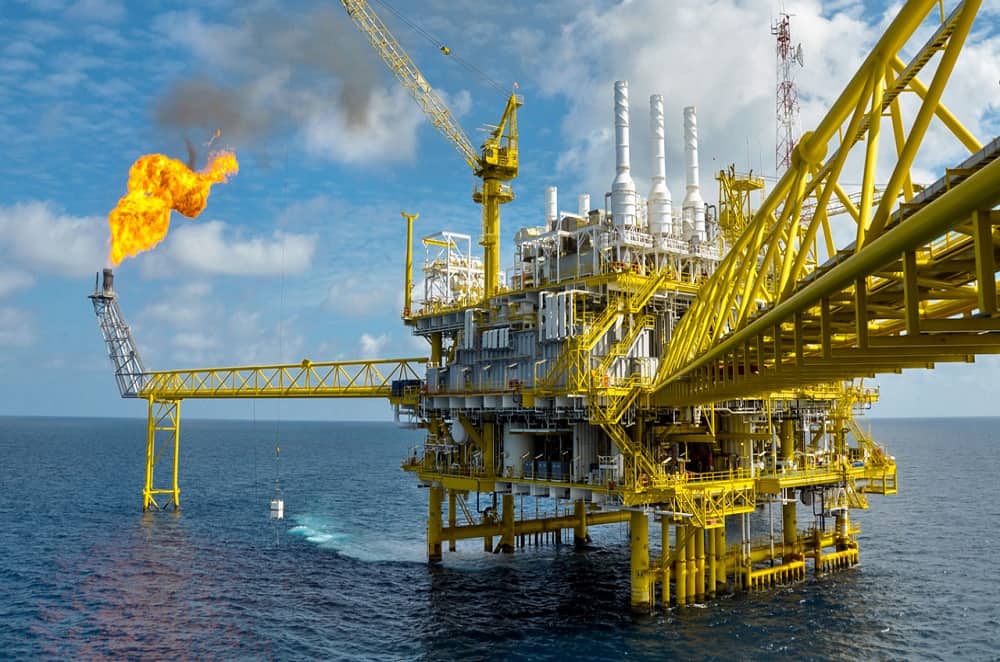




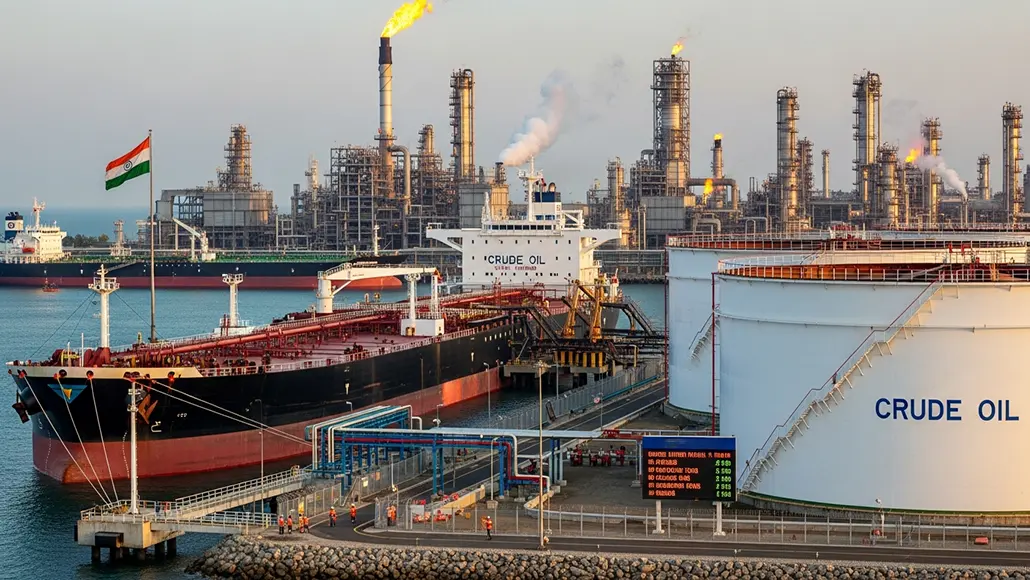
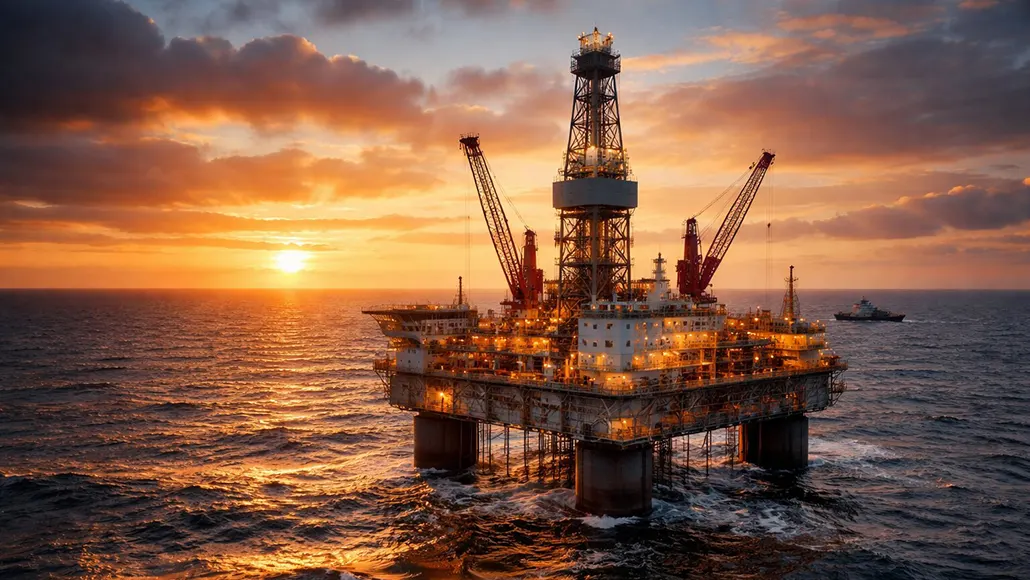
The offshore energy sector has intensified calls for greater government backing of North Sea drilling, warning that the UK faces growing risks if it fails to sustain domestic oil and gas production. Offshore Energies UK (OEUK) cautioned that without increased output from local resources, the country could become increasingly dependent on imports at a time of rising global instability. The warning comes as global oil and gas markets have been unsettled following the US-Israel war with Iran, during which Tehran effectively shut the Strait of Hormuz, a critical route for global crude flows. Despite these pressures, the Labour government’s recent ban on new licences for oil and gas developments in the North Sea, raised further concerns within the industry about the future of energy security in the UK.
According to OEUK’s latest report, oil and gas continue to account for around 75% of the UK’s energy requirements and are projected to meet roughly one-fifth of demand by 2050. However, as domestic production declines and demand rises, the report highlights an increasing exposure to price volatility. David Whitehouse, chief executive of OEUK, stressed the urgency of the situation, stating that the UK is in dire need of greater supplies of secure, domestically produced energy including oil and gas, which will remain a critical part of the UK energy system and economy for decades. The group is urging policymakers to reconsider the current stance on North Sea drilling and reassess restrictions on offshore exploration licences imposed last year.
Under existing regulations, operators are permitted to expand output only within already licensed areas or in adjacent zones, a limitation the industry argues could constrain future production. OEUK is also advocating for changes to the fiscal framework, including the removal of the Energy Profits Levy (EPL) by 2026, four years earlier than planned. In its place, the proposed Oil and Gas Price Mechanism would apply a 35% tax when prices exceed a defined threshold, compared with the current 78% rate under the windfall tax. The industry group believes such reforms could unlock £50bn in fresh investment and reinvigorate North Sea drilling activity.
Political divisions remain evident. The Conservative Party wants both the removal of the EPL and the reversal of the licensing ban, while also supporting approval for the Rosebank and Jackdaw fields. However, a ruling by the Court of Session in Edinburgh, following a legal challenge from Uplift and Greenpeace, found that environmental impacts had not been adequately assessed, requiring developers to seek fresh approval.
Meanwhile, researchers at the University of Oxford have questioned the economic case for expanded North Sea drilling, concluding that even maximum extraction would deliver limited cost savings compared with accelerating the transition to renewable energy.
