











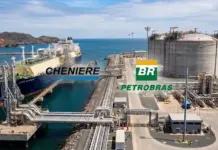


The Maritime Administration (MARAD) released a comprehensive study examining the options for liquefied natural gas (LNG) bunkering and the necessary infrastructure, safety, regulatory, and training factors of each in supplying LNG to ships as a propulsion fuel in the maritime sector. Bunkering is the transfer of LNG from a supply station to a receiving vessel for the sole purpose of use as propulsion fuel.
The study examines the pros and cons of four bunkering options (truck-to-ship transfer, shore facility-to-ship transfer, ship-to-ship transfer, and transfer of portable tanks) based on factors such as the number and type of vessels to be served, local availability of LNG, port size, congestion and level of activity. The study also makes recommendations to regulators, port operators, vessel operators and LNG infrastructure owners on ways to address the challenges associated with widespread use of LNG as a marine propulsion fuel and provides information to help them decide which method may be most appropriate for their needs.