






U.S. President Donald Trump has waived sanctions, restrictions and duties outlined under the Sanctioning Russia and Iran Act, citing the national interest of the United States. The decision provides relief to India and China, both major buyers of Russian oil and gas, by suspending measures that could have exposed their exports to steep U.S. tariffs. The Lindsey O. Graham Sanctioning Russia and Iran Act of 2026 authorised Trump to impose extensive sanctions on Russia and introduce significant tariffs on countries purchasing Russian oil and gas, including China and India.
The legislation, principally backed in Congress by the late Senator Lindsey Graham, allowed tariffs of up to 100% within 30 days on goods entering the U.S. from the five largest importers of Russian crude oil or gas. Its provisions also covered countries that knowingly purchased Russian oil or gas 30 days after the law’s enactment, along with the top five countries helping Russia evade sanctions. The waiver changes the immediate outlook for Russian oil and gas sanctions and the potential trade consequences for countries maintaining purchases from Russia.
Executive Order Cites U.S. National Interest
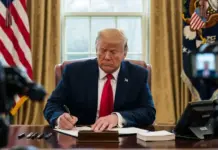
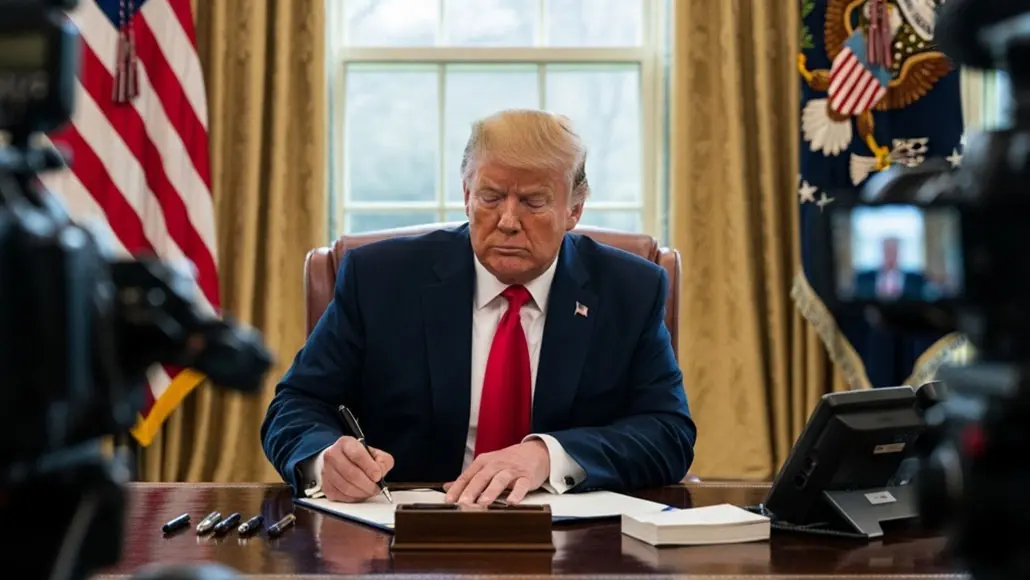
Trump announced the waiver only days before several provisions of the legislation were scheduled to take effect. He had signed the bill into law in mid-September. In an executive order issued on 16th October 2026, Trump stated, “I am hereby waiving the application of such sanctions, restrictions, and duties provided for in the Graham Act.”
The order also confirmed that Trump had submitted a certification to Congress explaining that granting the waiver at this stage was in the U.S. national interest. The decision suspends the application of the specified measures under the legislation, which had established a framework for imposing additional economic pressure on Russia and tariffs on major purchasers of its oil and gas. The move also places Russian oil and gas sanctions at the centre of trade considerations for countries that depend on Russian energy supplies.
Russia Policy and Concerns Among Oil Importers
The executive order comes amid a shift in Trump’s public approach towards Russia. He has adopted a warmer stance towards Moscow while publicly criticising Ukrainian President Volodymyr Zelenskiy. Trump has also suggested that Ukraine needs a new leader. Meanwhile, the proposed Russia sanctions had prompted concerns among countries heavily dependent on Russian oil imports.
The possibility of tariffs of up to 100% on goods entering the U.S. had created uncertainty for major importers of Russian oil and gas. Trump’s waiver provides relief from the specified sanctions, restrictions and duties under the Graham Act at this stage, easing immediate concerns over the trade measures associated with Russian oil and gas sanctions.
