







China’s National Energy Administration (NEA) has officially announced a new five-year plan focused on expanding the nation’s domestic energy capacity. By 2030, the government aims for the Chinese oil and gas supply to reach a total of 440 million tonnes of oil equivalent. This policy, developed alongside the National Development and Reform Commission, highlights a strategic shift toward strengthening domestic resources.
Expanding Infrastructure and Pipelines
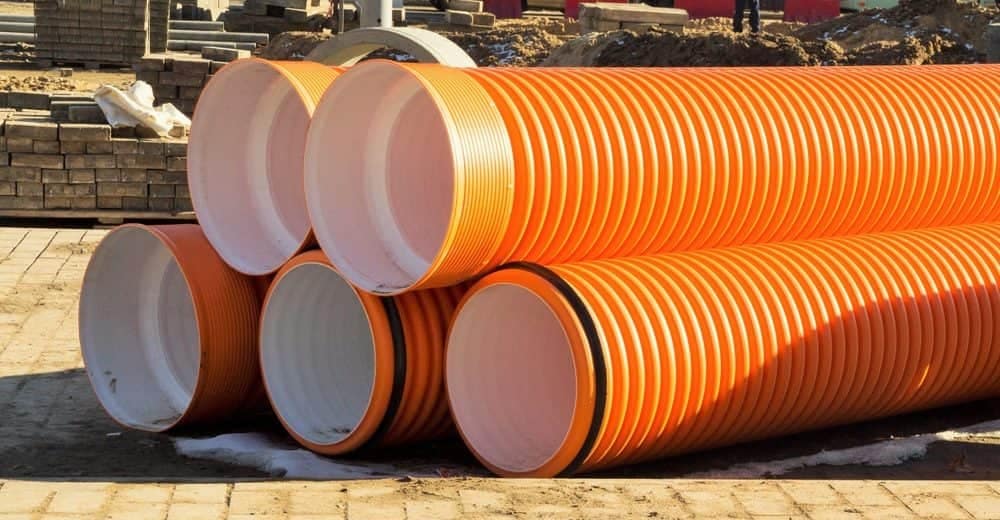
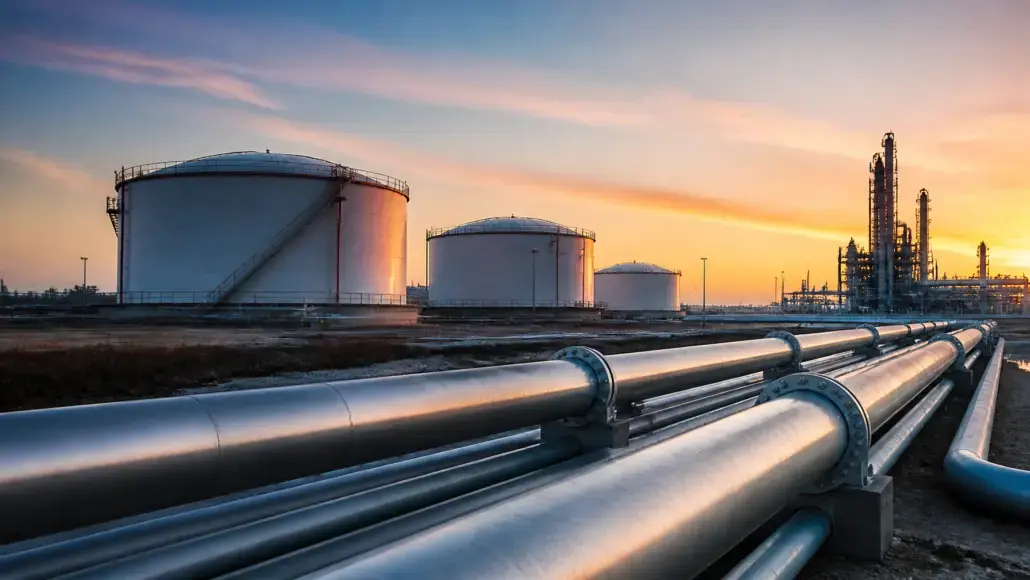
A primary component of this initiative to boost oil and gas supply involves significant investment in physical networks. The plan includes the addition of 20,000 km of long-distance pipelines by 2030. Once completed, this expansion will bring the country’s total pipeline network to 220,000 km. Officials emphasize that these infrastructure improvements are vital for the distribution of energy and the maintenance of long-term energy security.
Enhancing Natural Gas and Carbon Management
Beyond basic production, the strategy outlines clear benchmarks for resource management and environmental responsibility:
- Natural gas reserves are slated to increase to the equivalent of 13 percent of total national consumption.
- Annual carbon dioxide injection via carbon capture, utilization, and storage (CCUS) projects is targeted to reach 10 million tonnes.
These efforts in carbon capture are designed to promote a greener, low-carbon development path while simultaneously increasing the domestic production of energy.
Long-term Energy Goals
“On the one hand, we will continue to intensify exploration and development, boost reserves and production, extend oil and gas pipeline networks, improve peak-shaving capacity, diversify import systems, and continuously enhance the ability to ensure a safe and stable supply of oil and gas and respond to risks. On the other hand, we will advance green and low-carbon development, actively and steadily peak oil consumption, promote the clean and efficient use of natural gas, and accelerate the integrated development of oil and gas with new energy, hydrogen energy, CCUS (Carbon Capture, Utilization and Storage), and new-type energy storage,” said Yang Jun, deputy director of the Oil and Gas Department of the NEA.
Key priorities of the plan to boost oil and gas supply include increasing oil and gas exploration and production, expanding infrastructure, enhancing oil and gas reserves, strengthening international cooperation, accelerating the green transition and fostering new quality productive forces, promoting technological innovation, and advancing reforms across the oil and gas sector.
The plan further emphasizes the coordinated development of oil and gas alongside renewable energy and related resources. Oil and gas fields and nearby areas will be encouraged to systematically develop solar, wind and geothermal power, increase electrification levels, and establish green, low-carbon and zero-carbon oil and gas fields.
Official data showed that China’s total oil and gas output reached a record 420 million tonnes of oil equivalent in 2025, highlighting a significant strengthening of the country’s independent energy security capacity.
