






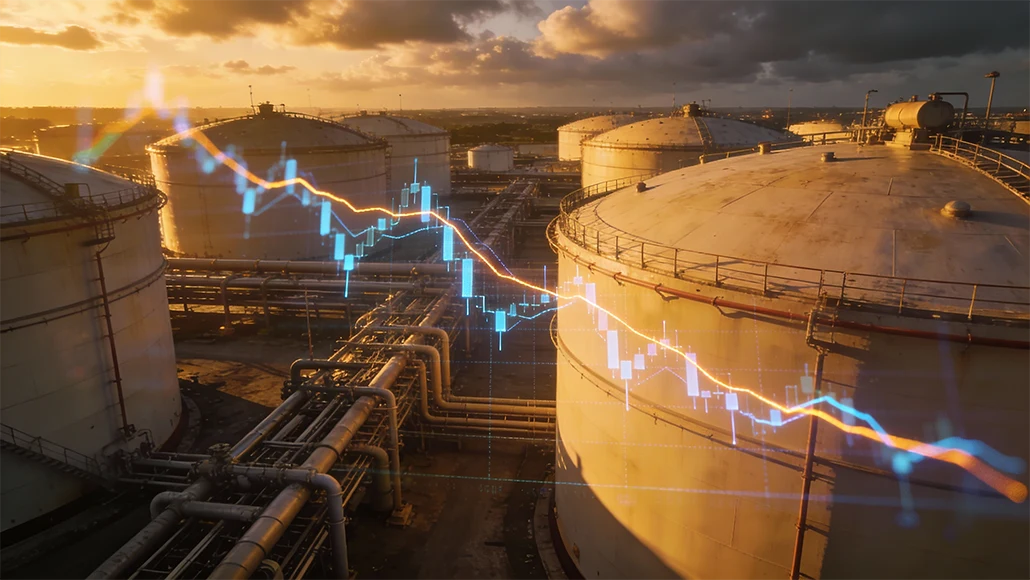
The management of midstream assets is undergoing a radical shift as the industry moves away from manual, labor-intensive inspection methods toward a fully automated and digitized workflow. Historically, pipeline surveillance involved crews traveling thousands of miles in trucks or helicopters, often in hazardous terrain, to perform visual checks for leaks, corrosion, or encroachment. This method was not only expensive and time-consuming but also inherently limited by human fatigue and the inability to see beyond the visible spectrum. Oil & Gas Advancement notes that the deployment of drone and robotics is revolutionizing smart pipeline inspections, providing a level of detail, frequency, and safety that was previously impossible to achieve.
The Rise of the Autonomous Inspector
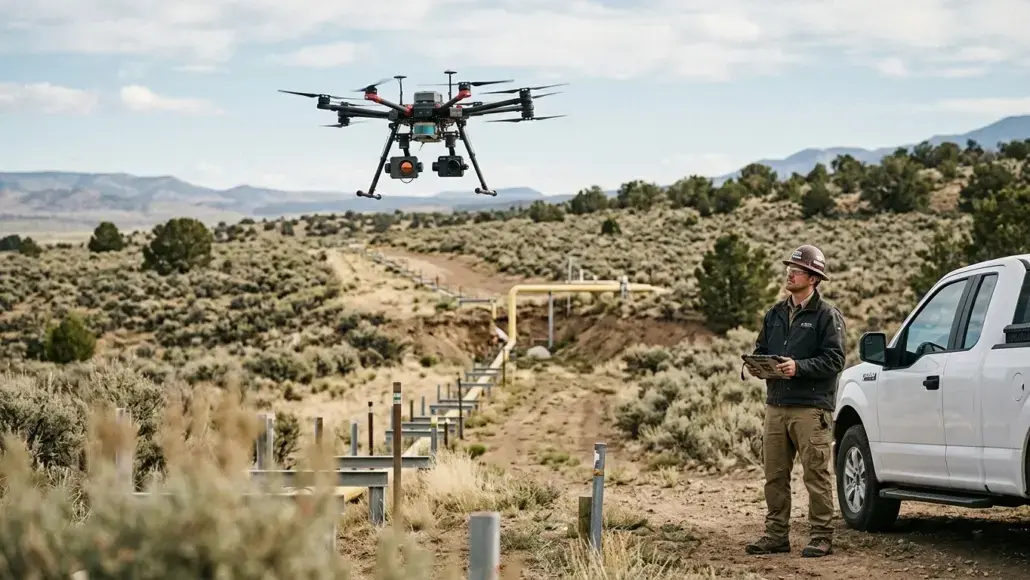
The primary driver behind the adoption of drone and robotics-based inspection systems is the need for continuous, high-fidelity data. Modern UAVs (Unmanned Aerial Vehicles) and terrestrial crawler robots are no longer just remote-controlled cameras; they are sophisticated mobile sensor platforms. Equipped with LiDAR, thermographic cameras, and hyperspectral sensors, these machines can perform multi-layered inspections in a single pass. For smart pipeline inspections, this means the ability to detect methane leaks via infrared imaging, identify soil erosion through LiDAR topography, and monitor third-party encroachment via high-resolution optical cameras—all while the human operator remains safely in a remote control center.
Aerial Surveillance: UAVs and Beyond-Visual-Line-of-Sight (BVLOS)
The true potential of drone and robotics-based inspection systems is unlocked by BVLOS (Beyond-Visual-Line-of-Sight) capabilities. In many jurisdictions, regulatory frameworks are evolving to allow drones to fly hundreds of miles autonomously along pipeline rights-of-way. These drones can be stationed in nests—automated docking stations—located at intervals along the pipeline. They can launch automatically on a scheduled basis or in response to a sensor alert, perform their mission, and return to the nest to recharge and upload data. This creates a persistent surveillance model that drastically reduces the response time to potential incidents and eliminates the need for expensive manned aircraft.
Robotic Crawlers and Internal Integrity Assessment
While drones handle the external surveillance, internal inspections are being transformed by advanced robotic crawlers. These ‘smart pigs’ have evolved into modular robotic systems capable of navigating complex pipeline geometries, including bends and vertical sections that traditional tools might struggle with. The integration of these tools into drone and robotics-based inspection systems allows for a comprehensive inside-out view of the asset. These robots can use ultrasonic sensors to measure wall thickness with sub-millimeter precision, providing the raw data needed to feed predictive maintenance algorithms. By automating these internal checks, operators can detect internal corrosion or weld defects long before they pose a structural threat.
Data Fusion and the Digital Inspection Workflow
The sheer volume of data generated by drone and robotics-based inspection systems would overwhelm traditional analytical methods. Smart pipeline inspection relies on Edge Computing and AI to process this data in real-time. For instance, a drone’s onboard processor can identify a potential leak on the fly and immediately transmit an alert via satellite link, rather than waiting for the data to be downloaded at a base station. This digital workflow ensures that inspection findings are immediately actionable. Furthermore, by overlaying historical data with new robotic readings, companies can create a temporal map of asset degradation, allowing them to visualize the health trajectory of every mile of their network.
Enhancing Safety and Reducing Environmental Risk
Perhaps the most significant benefit of drone and robotics-based inspection systems is the reduction of human risk. Sending workers into confined spaces, steep slopes, or areas with high H2S concentrations is a major liability. Robots are immune to these hazards. Moreover, the increased frequency of inspections enabled by robotics means that environmental risks are mitigated. A leak that might have gone undetected for weeks under a traditional manual inspection regime can now be caught in hours. This proactive approach is essential for companies aiming to meet the strict zero-leak goals set by modern environmental regulators and ESG standards.
The Future of Robotic First Responders
As the technology matures, we are seeing the emergence of robotic first responders. In the event of a detected anomaly, a drone and robotics-based inspection system can be deployed instantly to the site to provide a live 360-degree view and sensor data to emergency crews before they even arrive on the scene. Some advanced robots are even being designed with manipulator arms capable of turning valves or applying temporary patches, allowing for remote intervention in the earliest stages of an incident. This level of autonomy represents the holy grail of smart pipeline inspection, where the system is not only self-monitoring but also self-mitigating.
The next generation of these systems will further enhance emergency response by integrating artificial intelligence, autonomous navigation, and machine learning algorithms capable of evaluating the severity of an incident in real time. Instead of merely transmitting data, robotic platforms will be able to prioritize threats, recommend corrective actions, and coordinate with control centers, field personnel, and other autonomous assets. Swarms of drones could simultaneously inspect multiple sections of a pipeline, while ground robots assess structural integrity and isolate affected areas. Integration with digital twin platforms will enable operators to simulate different response scenarios before taking action, minimizing operational disruptions and environmental impacts. As communication networks such as 5G and satellite connectivity become more robust, robotic first responders will play an increasingly vital role in creating resilient, intelligent, and fully automated pipeline ecosystems.
Conclusion
The adoption of drone and robotics-based inspection systems marks a defining step in the evolution of smart pipeline inspection processes, enabling operators to transition from reactive maintenance to predictive, data-driven asset management. By combining autonomous aerial surveillance, intelligent robotic crawlers, AI-powered analytics, and real-time data transmission, these technologies provide unprecedented visibility into pipeline integrity while significantly improving operational efficiency, worker safety, and environmental protection.
Oil & Gas Advancement believes that as advances in artificial intelligence, edge computing, digital twins, and autonomous robotics continue to accelerate, inspection systems will become even more intelligent and capable of identifying risks. Organizations that invest in these next-generation inspection technologies will be better positioned to reduce operational costs, strengthen regulatory compliance, minimize emissions, and ensure the long-term reliability and resilience of critical pipeline infrastructure in an increasingly digital energy landscape.
