
















Iraq, the second-largest producer within OPEC, is reportedly examining the possibility of an OPEC exit if the organization declines to approve Baghdad’s proposal to increase its oil production quota in line with levels granted to some other member states. According to sources within the Iraqi government cited by local news, Iraqi authorities are considering several options as they seek to address the impact of recent disruptions on the country’s oil sector.
The proposal put forward by Iraq aims to increase oil exports in an effort to offset losses in production and sales that have accumulated since the start of the war. At the same time, government officials are assessing the implications of exceeding Iraq’s current production quota under OPEC agreements. This evaluation includes reviewing the possible consequences of higher global supply levels, including an anticipated decline in oil prices over the near to medium term.
Oil Dependency and Export Challenges Intensify Pressure
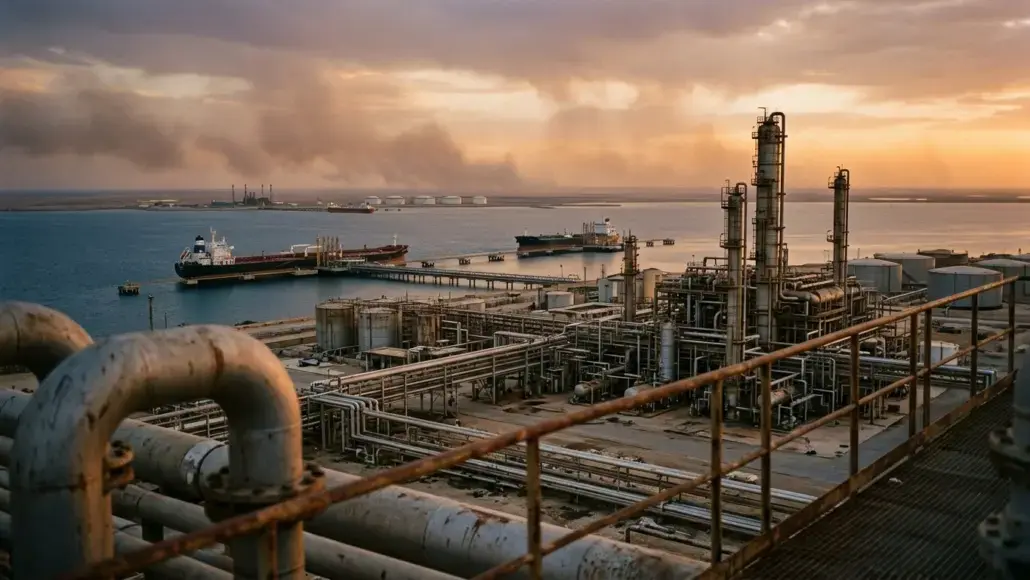
Iraq has been among the countries most affected by the Middle East crisis, with its economy facing mounting strain due to declining oil revenues. The country remains heavily dependent on petroleum exports, with oil sales continuing to account for 90% of revenues for the state budget. While other oil-producing nations in the Middle East also rely on hydrocarbon income, Iraq’s dependence on the sector remains particularly significant.
The closure of the Strait of Hormuz has further complicated the situation. Because exports from Basra must pass through the strategic waterway, Iraq was compelled to reduce oil production as export volumes came under pressure.
Potential Dispute With OPEC Over Production Levels
Efforts by Iraq to rebuild production could become a point of contention within OPEC if the country seeks to raise output significantly above its assigned quota.
An OPEC exit by Iraq would represent a major development for the producer group and could have a greater impact than the departure of the United Arab Emirates (UAE) earlier this year. The UAE had previously disagreed with OPEC and OPEC+ producers over production allocations, arguing that its expanding production capacity justified a higher output ceiling. Following years of disagreements on quota levels, the UAE formally withdrew from OPEC with effect from 1st May 2026.
