















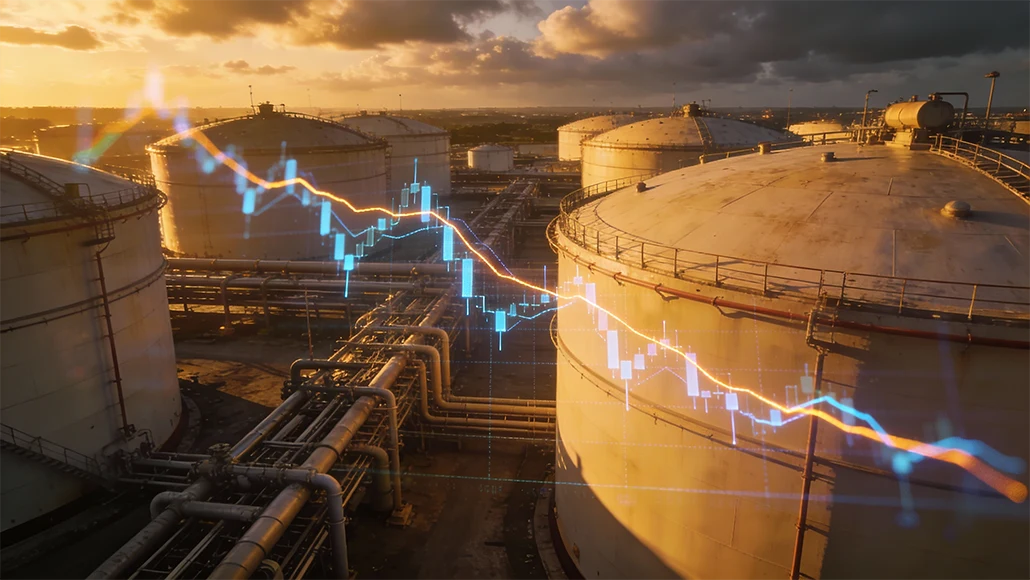
In the dynamic and often unpredictable world of fuel distribution, balancing supply with demand is a perpetual tightrope walk. The stakes are incredibly high: overstocking leads to significant carrying costs, storage expenses, and potential product degradation, while understocking risks costly stockouts, lost sales, and damaged customer relationships. For years, fuel distributors have grappled with an intricate web of variables – seasonality, economic shifts, local events, and even unexpected weather patterns – making accurate predictions seem like an elusive dream. However, a transformative solution has emerged from the realm of advanced technology: AI fuel demand forecast. This sophisticated approach is not merely an incremental improvement. It represents a fundamental paradigm shift, offering unparalleled precision in predicting future fuel needs, thereby enabling fuel distributors to achieve substantial inventory cost reduction and optimize their entire operational framework.
The Volatility of Fuel Markets and Traditional Challenges
The fuel distribution landscape is inherently complex. Prices fluctuate wildly based on global events, geopolitical tensions, and even daily market sentiments. Demand patterns are influenced by everything from holiday travel to economic downturns, industrial activity, and even the local school calendar. Historically, fuel demand forecasting relied heavily on historical sales data, basic statistical models, and the seasoned intuition of experienced managers. While these methods offered a baseline, they often struggled with agility and accuracy when faced with unprecedented market shifts or nuanced local variations. The inability to account for a multitude of dynamic, interconnected factors led to reactive decision-making, suboptimal inventory planning for distributors, and often, either excessive inventory holding costs or the dreaded scenario of a stockout. This created a persistent drag on profitability and efficiency for countless businesses in the sector.
The Imperative for Smarter Inventory Management
Traditional fuel distributor inventory management has long been characterized by a trade-off: hold more inventory to mitigate stockout risks, or hold less to save on carrying costs. Neither approach is ideal, especially in a low-margin industry where every percentage point counts. The quest to reduce fuel inventory costs became a primary driver for innovation. Distributors recognized the need for a more proactive, data-driven approach – one that could not only process vast amounts of historical data but also identify subtle patterns and correlations, and critically, learn and adapt over time. This quest paved the way for the adoption of more advanced analytical tools, ultimately leading to the embrace of AI in fuel distribution, marking a pivotal moment for smarter inventory management.
How AI Fuel Demand Forecast Revolutionizes Operations
Oil & Gas Advancement sees that the true power of AI fuel demand forecast lies in its ability to transcend the limitations of human intuition and traditional statistical models. Instead of relying on a few fixed variables, AI algorithms can ingest and analyze an almost limitless array of data points, uncovering hidden insights that would be impossible for humans to detect. This isn’t merely about crunching more numbers. It’s about intelligent pattern recognition and predictive learning on a massive scale.
The Core Mechanics: Data, Algorithms, and Learning
At its heart, AI fuel demand forecast utilizes machine learning demand forecasting models. These models are fed a diverse dataset that includes historical sales figures, pricing trends, weather patterns (temperature, precipitation, severe weather events), economic indicators (GDP growth, unemployment rates), local event calendars (festivals, major sports events), traffic data, and even social media sentiment. Unlike conventional models, machine learning algorithms don’t just apply pre-set rules. They learn from the data itself.
For example, a neural network might identify that a slight temperature drop below a certain threshold in a particular region consistently precedes a spike in heating oil demand, even if the absolute temperature isn’t exceptionally low. Or a regression model might find a strong correlation between local construction project starts and diesel fuel consumption. As new data streams in, the AI model continuously refines its understanding, improving its predictive accuracy. This iterative learning process ensures that the forecasting system remains agile and relevant, adapting to new market realities and unforeseen circumstances, providing robust fuel market forecasting.
Unleashing Predictive Analytics for Fuel Distributors
The application of predictive analytics for fuel distributors through AI is nothing short of revolutionary. It allows businesses to move from a reactive posture to a proactive stance. Instead of scrambling to adjust when demand shifts unexpectedly, distributors can anticipate these changes weeks or even months in advance. This foresight enables a cascade of operational improvements. Inventory levels can be precisely calibrated to expected demand, significantly reducing waste and holding costs. Logistics planning becomes more efficient, routes can be optimized, and human resources can be allocated more effectively. The data-driven insights generated by AI don’t just predict. They empower strategic decision-making across the entire organization, leading to more resilient and efficient operations.
Tangible Benefits: From Cost Savings to Strategic Advantage
The immediate and long-term benefits of implementing AI fuel demand forecast are profound, touching almost every facet of a fuel distribution business. These advantages extend beyond mere efficiency gains, translating directly into enhanced profitability and a stronger competitive position.
Significant Inventory Cost Reduction
Perhaps the most compelling benefit is the ability to reduce fuel inventory costs dramatically. By accurately predicting future demand, distributors can minimize the amount of fuel held in storage. This directly lowers carrying costs, which include warehousing fees, insurance, security, and the capital tied up in inventory. Less product sitting idle also means reduced risk of product degradation or obsolescence, particularly for certain types of fuels. Furthermore, precise inventory levels mean fewer emergency, high-cost orders or rushed deliveries, streamlining procurement and transportation expenses. This leads to substantial savings that directly impact the bottom line, making fuel inventory optimization a reality rather than an aspirational goal.
Eliminating Stockouts and Boosting Customer Trust
Nothing damages customer relationships and revenue faster than a stockout. When a customer needs fuel, they need it now. AI fuel demand forecast virtually eliminates this risk by ensuring that the right product is available at the right time and place. This reliability builds immense customer trust and loyalty, reinforcing the distributor’s reputation as a dependable partner. The ability to consistently meet demand, even during peak seasons or unexpected surges, translates into sustained sales volumes and enhanced customer satisfaction, directly contributing to stockout reduction.
Streamlining Fuel Supply Chain Optimization
Beyond just inventory, AI elevates the entire fuel supply chain optimization strategy. With accurate demand forecasts, purchasing departments can negotiate better deals with suppliers, securing optimal pricing and delivery schedules. Transportation logistics become far more efficient, with routes planned to minimize mileage and delivery times, reducing fuel consumption for the distribution fleet itself. AI can even help predict potential supply chain disruptions by analyzing external factors, allowing distributors to build contingency plans before issues arise. This holistic view enhances overall operational flow and resilience.
Enhancing Distributor Demand Planning and Logistics
Effective distributor demand planning is the bedrock of a successful fuel business. AI provides the granular, actionable insights needed to refine this planning process. It allows for detailed forecasting at regional, local, or even individual customer levels, enabling highly localized stocking strategies. For fuel logistics forecasting, AI can predict optimal tanker scheduling, driver assignments, and even maintenance needs based on projected usage patterns. This level of precision ensures that resources are always deployed effectively, maximizing throughput and minimizing operational bottlenecks.
Implementing AI: A Strategic Transition
While the benefits are clear, successfully adopting AI fuel demand forecast requires careful planning and execution. It’s a strategic investment that pays dividends when approached thoughtfully.
Choosing the Right Demand Forecasting Software
The market for demand forecasting software is growing, and selecting the right platform is crucial. Key considerations include the software’s ability to integrate with existing ERP and inventory management systems, its scalability to handle growing data volumes, the sophistication of its machine learning algorithms, and the intuitiveness of its user interface. A robust solution should offer comprehensive reporting and visualization tools, allowing managers to easily interpret forecasts and make informed decisions. Support for different types of fuel and varied distribution models is also important. The best solutions are often cloud-based, offering flexibility and continuous updates.
Data Preparation and Integration
The adage “garbage in, garbage out” holds particularly true for AI. High-quality, clean, and comprehensive data is the lifeblood of effective AI models. This means investing in data collection, cleansing, and integration processes. Historical sales data, weather records, economic indicators, and customer order patterns must be accurately captured and formatted. Integrating these diverse data sources into a unified platform is a critical step, often requiring robust data analytics capabilities and potentially the assistance of data science professionals. Investing in data quality ensures the AI models have the best possible foundation for accurate predictions.
The Future of Fuel Distribution is Intelligent
Oil & Gas Advancement notes that landscape of fuel distribution is continuously evolving, driven by technological advancements and shifting market dynamics. AI fuel demand forecast is not just a passing trend. It represents a fundamental shift in how businesses manage inventory and navigate market uncertainties. Those who embrace this technology will gain a significant competitive advantage, characterized by lower operational costs, higher efficiency, and unparalleled customer satisfaction. It’s about building a smarter, more resilient, and ultimately, more profitable business model.
