





Canada is emerging as a potentially important contributor to the global energy supply after receiving strong support from G7 leaders, who highlighted the country’s ability to provide additional energy capacity to international markets in the years ahead. During the leaders’ meeting in France, attention focused on strengthening energy security and reducing reliance on supply routes vulnerable to geopolitical disruptions. In a joint statement issued in Évian-les-Bains, France, on 17th June 2026, G7 leaders underscored the need to broaden access to energy resources and lessen dependence on oil and gas transported through the Strait of Hormuz.
The statement emphasized a shared commitment among member nations to strengthen energy resilience and develop alternative routes for the movement of energy resources. It said: “We commit to accelerate the diversification of energy supply routes in order to reduce global vulnerability to the Strait of Hormuz and to increase our energy stocks,” said a joint statement by G7 leaders in Évian-les-Bains, France, on 17th June 2026.
The leaders further acknowledged Canada’s future role in strengthening the global energy supply, stating: “We welcome the potential for Canada to deliver significant additional capacity to global markets in the coming years.”
Speaking at his closing news conference, Canada’s Prime Minister Mark Carney stressed the importance of expanding energy supply options beyond the Strait of Hormuz, describing the route as a critical vulnerability for the world economy.
“One of the points that I made in the room, in our discussions around Iran and geopolitics was: we have to apply the lessons of recent events,” he said.
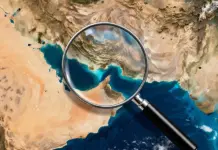
Before the conflict, approximately 20 per cent of the world’s crude oil moved from states in the Persian Gulf through the Strait of Hormuz and into the Gulf of Oman before reaching destinations worldwide. The disruption caused by Iranian attacks on ships carrying energy through the Strait of Hormuz effectively shut access to the Persian Gulf, stopping most oil shipments and contributing to higher energy prices globally.
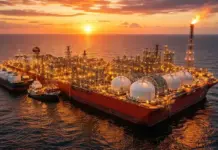
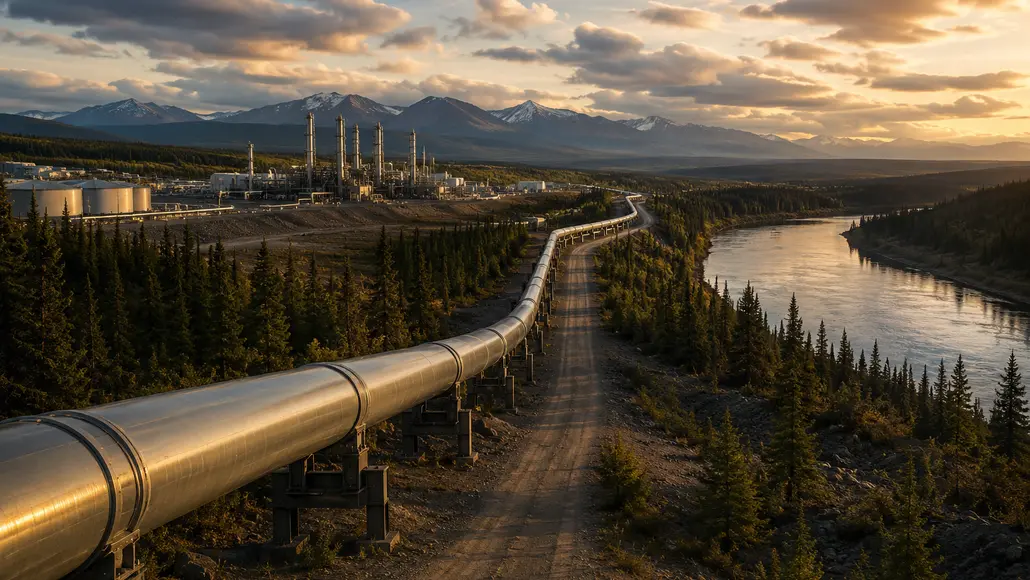
Carney said Canada is already progressing toward higher energy production levels, supported by several major liquefied natural gas projects currently underway. He also pointed to increased output from the TMX oil pipeline and the possibility of two additional pipelines originating in Western Canada, with one directed toward the U.S. and another toward the West Coast. According to Carney, these developments have drawn international attention to Canada’s capacity and future role in supporting the global energy supply, particularly as countries seek dependable alternatives to vulnerable energy transit corridors.
