












The global landscape for maritime energy development is increasingly defined not only by geological potential but by the sophistication and stability of the underlying regulatory environment. As the world navigates the dual challenges of ensuring energy security and accelerating the low-carbon transition, regional offshore licensing and policy frameworks are undergoing a profound period of reform. For decades, the industry relied on relatively static models of production sharing and royalty agreements. Today, however, governments from Southeast Asia to the Mediterranean are actively revising their fiscal terms and administrative processes to remain competitive in a world where capital is highly mobile and increasingly sensitive to environmental, social, and governance (ESG) performance.
The primary driver for these changes is the realization that the “easy” oil and gas have largely been discovered, leaving more technically challenging and capital-intensive resources in deep water or frontier basins. To unlock these reserves, regional offshore licensing frameworks must offer a risk-reward profile that is attractive to international energy companies. This involves a shift away from overly rigid, state-centric models toward more collaborative and flexible arrangements. At the same time, these frameworks are being expanded to include clauses related to carbon capture and storage (CCS) and emissions reduction, reflecting the new reality of the global energy policy landscape.
Modernizing Production Sharing Contracts and Fiscal Terms
Production sharing contracts (PSCs) have long been the bedrock of the offshore industry in many parts of the world, particularly in Asia. However, many traditional PSC models were designed for an era of high prices and shallow-water discoveries. Modern regional offshore licensing frameworks are introducing “enhanced” PSC models that offer better cost-recovery mechanisms and more equitable profit-sharing arrangements in the event of low prices or technical difficulties. For example, some jurisdictions are moving toward “gross split” models that simplify the accounting process and reduce the administrative burden on both the state and the operator, allowing for faster project approvals and execution.
Fiscal incentives are also being used to target specific types of development. Many nations are offering lower tax rates or royalty holidays for deepwater projects, high-pressure/high-temperature (HPHT) reservoirs, or the development of “marginal” fields that would otherwise be economically unfeasible. These targeted upstream policy reforms are essential for maintaining a continuous pipeline of new projects, which is critical for supporting the local supply chain and ensuring long-term energy security. By aligning fiscal terms with the technical reality of the resources, regional governments can maximize the value of their maritime assets while providing a stable and predictable environment for investors.
The Evolution of Offshore Licensing Rounds and Transparency
The process of awarding offshore acreage is also becoming more transparent and efficient. Traditional, closed-door negotiations are being replaced by formal offshore licensing rounds where blocks are awarded through a competitive bidding process based on clear and objective criteria. Many regional governments are now using digital data rooms and online bidding platforms to facilitate the process, allowing for greater participation from a wider range of international and independent players. This move toward transparency is vital for building trust with investors and for ensuring that the state receives the best possible value for its resources.
Furthermore, the frequency and predictability of licensing rounds are increasing. In many parts of Asia, governments are moving toward “open acreage” systems where companies can nominate blocks for bidding at any time, rather than waiting for a formal government call. This proactive approach to regional offshore licensing frameworks allows operators to align their exploration activities with their global portfolio strategies and market cycles. By providing a clear roadmap of future opportunities, regional powers can maintain high levels of interest in their upstream sectors, even during periods of global price volatility. This predictability is a key component of a successful energy policy Asia strategy.
Integrating Decarbonization into Offshore Regulatory Trends
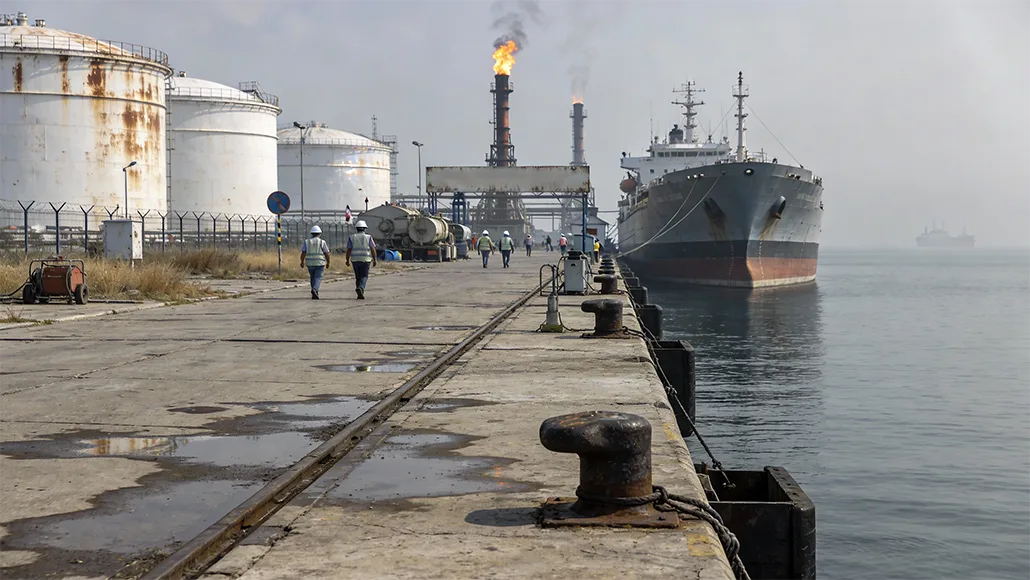
One of the most significant shifts in offshore regulatory trends is the integration of climate goals directly into the licensing process. Many new agreements now include requirements for emissions reduction oil gas, the elimination of routine flaring, and the implementation of methane monitoring systems. In some cases, operators are required to set aside a portion of their investment for carbon capture and storage (CCS) or for the integration of renewable energy into their offshore operations. This “greening” of the licensing process reflects the growing pressure on both governments and energy companies to demonstrate a clear commitment to the Paris Agreement.
Policy frameworks are also being expanded to cover the decommissioning phase of the project lifecycle. Historically, decommissioning was often an afterthought, leading to significant environmental and financial liabilities for both the state and the operator at the end of a field’s life. Modern regional offshore licensing frameworks are introducing more rigorous requirements for decommissioning funds and the submission of abandonment plans early in the project life. This lifecycle approach ensures that the environmental footprint of offshore operations is managed responsibly from discovery to removal, fostering a more sustainable and socially acceptable energy industry.
The Strategic Role of Upstream Policy Reforms in Asia
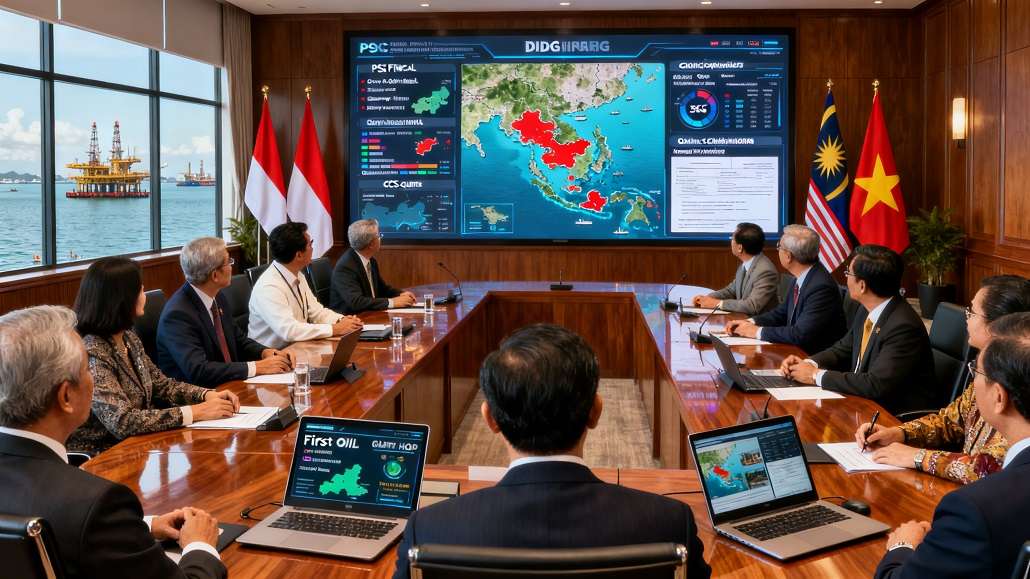
Southeast Asia serves as a primary example of how upstream policy reforms can revitalize a maturing energy sector. Countries like Indonesia, Malaysia, and Vietnam are currently engaged in a comprehensive overhaul of their energy policies to reverse declining production and attract new exploration. These reforms focus on streamlining the bureaucratic process often referred to as “one-stop-shop” permitting and improving the legal certainty for foreign investors. By reducing the “regulatory friction” associated with offshore projects, these nations are seeking to maintain their status as critical players in the global energy market.
The focus in Asia is also increasingly on natural gas, which is seen as a vital transition fuel for the region’s coal-dependent economies. Licensing frameworks are being adjusted to favor gas-prone prospects and to facilitate the development of regional gas infrastructure. This includes the promotion of cross-border gas trade and the creation of regional LNG hubs. By aligning their regional offshore licensing frameworks with the broader goals of regional energy integration, Asian nations are building a more resilient and flexible energy system that can withstand the shifts in global supply and demand. This strategic foresight is a hallmark of modern energy policy Asia.
Navigating Geopolitical Complexities in Licensing
The awarding of offshore licenses is often complicated by geopolitical tensions, particularly in disputed maritime regions. Overlapping territorial claims in areas like the South China Sea or the Eastern Mediterranean can create significant legal and security risks for operators. To address these challenges, some regional frameworks are exploring the concept of “Joint Development Areas” (JDAs), where multiple nations agree to share the resources of a disputed area without prejudice to their sovereign claims. While difficult to negotiate, these cooperative models offer a way to unlock resources that would otherwise remain stranded due to political stalemate.
Successful regional offshore licensing frameworks in these sensitive areas require a high degree of diplomatic and legal expertise. Operators often look for “stabilization clauses” in their contracts that protect them from arbitrary changes in the law or the political environment. For the host government, the challenge is to balance the need for national sovereignty with the need for international investment. As the competition for maritime resources intensifies, the ability to manage these geopolitical risks through robust and transparent policy frameworks will be a defining characteristic of successful energy-producing nations.
Conclusion: The Future of Offshore Governance
In conclusion, the evolution of regional offshore licensing and policy frameworks is a critical driver of the industry’s ability to provide secure and sustainable energy in a changing world. By embracing flexibility, transparency, and a lifecycle approach to resource management, regional powers are creating the conditions necessary for long-term upstream investment. The integration of decarbonization and environmental standards into the licensing process is transforming the sector, ensuring that it remains relevant in a net-zero future.
As the industry continues to push into new frontiers, the focus must remain on the relentless pursuit of regulatory excellence and international cooperation. The policy frameworks developed today will define the energy landscape for decades to come, shaping how we extract, manage, and protect our maritime resources. By fostering a collaborative environment that rewards both technical innovation and environmental stewardship, regional governments can ensure that their offshore energy sectors remain a vital engine of economic growth and progress for generations. The journey of reform is ongoing, but the direction is clear: toward a more open, efficient, and sustainable global energy market.
