

















Key Takeaways:
- The implementation of offshore energy transition strategies across Asian markets is fundamentally reshaping how regional powers approach energy security and carbon reduction. By prioritizing offshore electrification and integrating carbon capture technologies directly into existing platforms, nations like Malaysia, Vietnam, and Indonesia are demonstrating that fossil fuel production and environmental stewardship can coexist during the medium-term shift toward a net-zero future.
- Decarbonizing the Asian offshore energy sector requires a sophisticated mix of policy support, private investment, and technological innovation focused on low carbon offshore operations. As aging infrastructure is repurposed for wind power or hydrogen production, the industry is witnessing a significant move toward oil and gas decarbonization that not only reduces emissions but also improves the long-term economic viability of deepwater assets in challenging economic climates.
The offshore energy sector in Asia is currently navigating a period of profound transformation as regional economies attempt to balance their soaring demand for power with increasingly stringent global climate commitments. The traditional dominance of hydrocarbon extraction is gradually being augmented by sophisticated offshore energy transition strategies that emphasize the necessity of cleaner, more sustainable production methods. This shift is not merely an environmental imperative but a strategic economic response to the changing global energy landscape, where carbon intensity is becoming a primary metric for investment and operational viability. Within this context, Asian markets are emerging as critical laboratories for low carbon offshore development, leveraging their vast coastlines and established maritime expertise to pioneer new ways of delivering energy.
The core of this evolution lies in the realization that the transition to renewable sources cannot happen overnight, particularly in a region that still relies heavily on natural gas and oil for industrial growth and grid stability. Consequently, the immediate focus of many regional players has shifted toward oil and gas decarbonization, seeking to minimize the environmental footprint of current production assets. This involves a comprehensive re-evaluation of the entire value chain, from exploration and drilling to production and transport. By integrating advanced monitoring systems and reducing methane leakage, operators are making significant strides in ensuring that existing projects remain competitive in a low-carbon world. The integration of renewable energy into offshore operations is no longer a peripheral concept but a central pillar of modern asset management.
The Role of Offshore Electrification in Reducing Operational Emissions
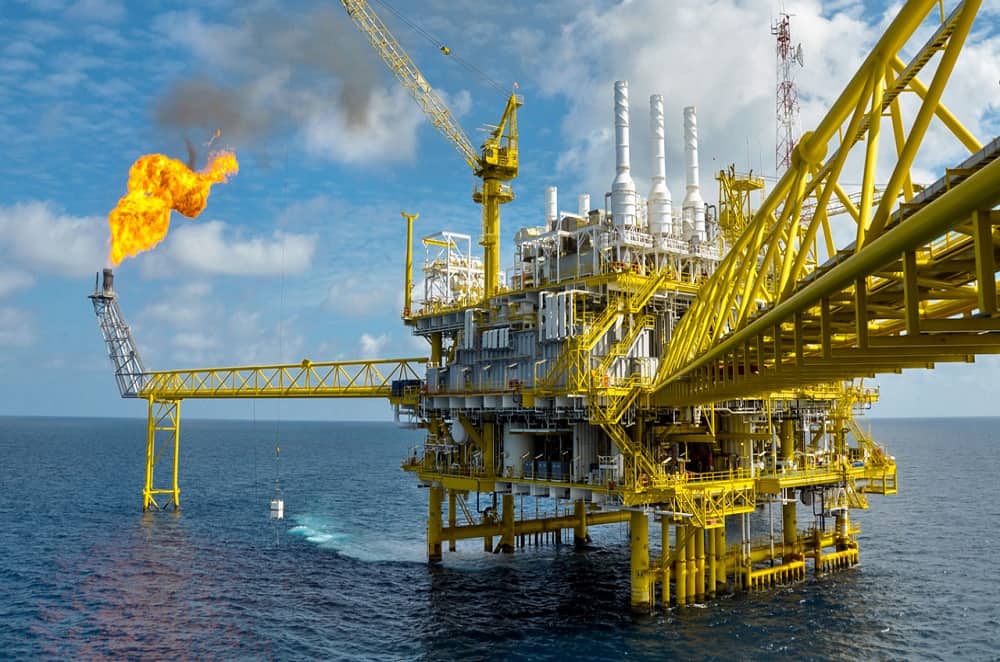
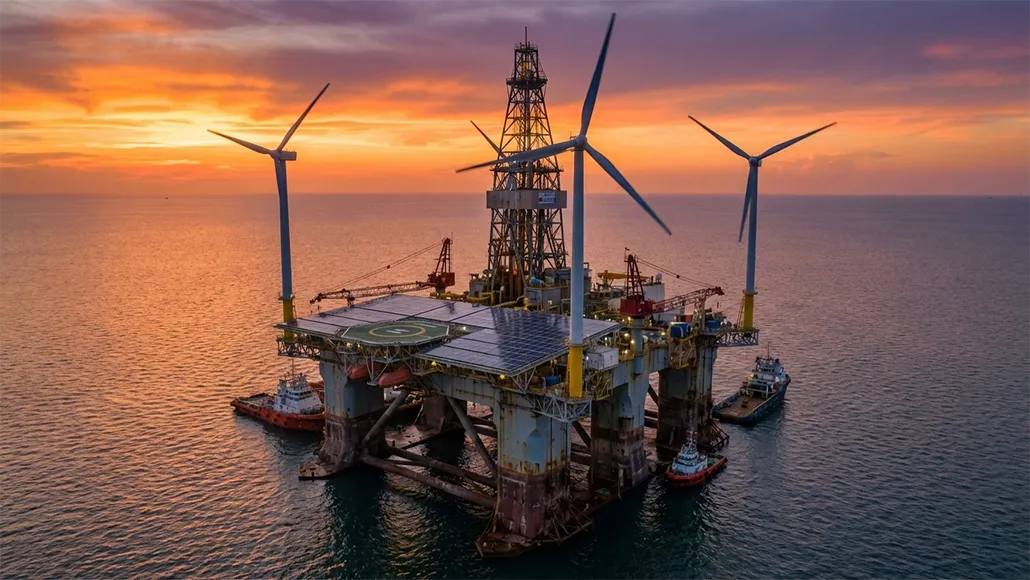
One of the most impactful offshore energy transition strategies being deployed across the Asian offshore energy landscape is the electrification of platforms and subsea infrastructure. Historically, offshore facilities have relied on on-site gas turbines or diesel generators to provide power for operations, leading to substantial localized carbon emissions. By replacing these decentralized power sources with electricity from the shore or nearby offshore wind farms, operators can drastically reduce the carbon intensity of their output. This process of offshore electrification is gaining traction in major hubs such as the South China Sea and the Gulf of Thailand, where the proximity of coastal power grids and the potential for large-scale wind arrays create unique opportunities for synergy between traditional and renewable energy sectors.
The technical challenges associated with electrification are significant, requiring long-distance subsea cables and sophisticated power management systems that can handle the intermittent nature of renewable energy. However, the long-term benefits in terms of reduced operational expenditure and carbon taxation avoidance are compelling. Furthermore, the move toward electrification acts as a catalyst for broader technological advancement in the region, encouraging the development of local supply chains for subsea cabling and high-voltage power conversion. As Asian markets continue to refine these technologies, the lessons learned are likely to influence offshore energy transition strategies globally, particularly in other emerging markets facing similar geographical and economic constraints.
Strategic Implementation of Low Carbon Offshore Infrastructure
Implementing low carbon offshore infrastructure involves more than just swapping power sources; it requires a fundamental redesign of how offshore assets are planned and operated. In many Asian markets, this manifests as the creation of integrated energy hubs where oil and gas facilities share infrastructure with carbon capture and storage (CCS) projects and renewable energy installations. This collaborative approach maximizes the utility of existing maritime assets, such as pipelines and depleted reservoirs, while minimizing the environmental disturbance associated with new developments. The strategic placement of these hubs is critical for optimizing energy flow and ensuring that the carbon captured from industrial processes can be safely sequestered in the very geological formations that once held hydrocarbons.
The adoption of low carbon offshore technologies is also driven by a shift in regional policy frameworks. Governments across Asia are increasingly introducing carbon pricing mechanisms and enhanced regulatory standards that penalize high-emission operations. These policies provide the necessary economic signals for operators to invest in decarbonization technologies that might otherwise be considered cost-prohibitive. By aligning national energy policies with international climate goals, Asian nations are creating a stable environment for long-term investment in offshore energy transition strategies. This policy alignment is essential for attracting the international capital and technical expertise required to execute complex, multi-billion-dollar energy projects in the offshore environment.
Navigating the Socio-Economic Landscape of Asian Offshore Energy
The transition to a low-carbon offshore sector carries significant socio-economic implications for Asian nations, many of which have historically relied on oil and gas revenues to fund public services and infrastructure development. Ensuring a “just transition” that protects the livelihoods of workers in the traditional energy sector while creating new opportunities in renewables is a complex balancing act. Many regional governments are focusing on skills transfer programs, training offshore engineers and technicians in the maintenance of wind turbines and hydrogen production facilities. This proactive approach ensures that the existing workforce remains a vital component of the future energy economy, leveraging their deep-sea expertise to support the next generation of Asian offshore energy projects.
Furthermore, the offshore energy transition is fostering a new era of regional cooperation. Projects that involve cross-border power grids or shared CCS infrastructure require high levels of diplomatic and technical collaboration. Organizations like ASEAN are playing an increasingly important role in harmonizing standards and facilitating the exchange of best practices among member states. This collective effort is vital for overcoming the fragmented nature of the Asian energy market and building a more resilient, integrated energy system that can withstand the volatility of global energy prices. The shared commitment to decarbonization is becoming a powerful force for regional integration, as nations recognize that the challenges of climate change and energy security are best addressed through collective action.
Technological Innovation and the Future of Oil and Gas Decarbonization
The future of oil and gas decarbonization in Asia will be defined by continuous technological innovation. From the deployment of autonomous underwater vehicles for environmental monitoring to the use of digital twins for optimizing energy consumption on platforms, the digital revolution is playing a central role in the transition. These technologies allow for more precise control over operations, enabling operators to identify and mitigate emission sources in real-time. Additionally, the development of green hydrogen production directly at offshore sites is emerging as a promising frontier. By using excess electricity from offshore wind farms to power electrolyzers, Asian markets can produce a clean fuel source that can be transported through existing gas pipelines, further bridging the gap between fossil fuels and renewables.
The success of these offshore energy transition strategies will ultimately depend on the ability of the industry to maintain profitability while meeting ambitious sustainability targets. This requires a shift in mindset from traditional extraction-focused models to integrated energy management systems. The companies that thrive in this new environment will be those that embrace transparency, invest in R&D, and view the energy transition not as a threat to their business model, but as an opportunity to lead the global shift toward a more sustainable future. As the Asian offshore energy sector continues to evolve, it will undoubtedly serve as a critical driver of global energy innovation, demonstrating that even the most established industries can adapt and flourish in the face of radical change.
Investment Trends and the Financial Architecture of the Transition
Financial markets are playing an increasingly dominant role in shaping the trajectory of the energy transition in Asia. Institutional investors and development banks are progressively tying funding to environmental, social, and governance (ESG) performance, making it easier for low-carbon projects to access capital. This shift is reflected in the growing popularity of green bonds and sustainability-linked loans within the regional energy sector. For operators in Asian markets, demonstrating a clear and actionable path toward decarbonization is now a prerequisite for securing large-scale financing. This financial pressure is accelerating the adoption of offshore energy transition strategies, as companies seek to mitigate the risks associated with stranded assets and regulatory non-compliance.
The rise of dedicated “energy transition funds” is also providing a significant boost to regional projects. These funds specifically target the development of renewable energy infrastructure and the implementation of decarbonization technologies in the offshore space. By providing flexible capital and technical support, these financial vehicles are helping to de-risk innovative projects that might otherwise struggle to find traditional funding. As the financial architecture supporting the transition becomes more robust, the pace of change in the Asian offshore energy market is likely to accelerate, creating a virtuous cycle of investment, innovation, and emission reduction.
The Strategic Imperative of Resilient Offshore Supply Chains
A resilient and localized supply chain is essential for the long-term success of offshore energy transition strategies in Asia. The transition requires a wide range of specialized components, from high-efficiency wind turbine blades to advanced CCS equipment, many of which are currently manufactured outside the region. Developing local manufacturing capabilities not only reduces costs and logistics risks but also creates significant industrial growth opportunities for Asian nations. By investing in the development of domestic supply chains, regional governments can ensure that the economic benefits of the energy transition are retained within their borders, supporting jobs and driving technological advancement across the broader economy.
In conclusion, the evolution of offshore energy transition strategies in Asian markets represents a critical chapter in the global effort to combat climate change. By integrating low carbon offshore technologies, expanding offshore electrification, and prioritizing oil and gas decarbonization, the region is charting a path toward a more sustainable and secure energy future. This journey is marked by significant challenges, from technical hurdles and financial risks to complex socio-economic shifts. However, the potential rewards in terms of environmental preservation, economic resilience, and regional stability are immense. As Asia continues to lead the way in offshore innovation, the strategies developed today will undoubtedly shape the global energy landscape for decades to come.
