








Key Takeaways:
- The strategic prioritization of offshore gas development projects is playing a critical role in stabilizing the global energy market by providing a reliable and flexible source of fuel for electricity generation and industrial use. As nations seek to transition away from more carbon-intensive coal, the development of expansive offshore gas fields and the integration of LNG offshore projects ensure that regional energy security is maintained, providing the necessary bridge toward a future dominated by renewable energy sources while supporting local economic growth.
- Advancements in natural gas development technologies are enabling the exploitation of deeper and more remote offshore gas supply sources, effectively expanding the global resource base. By investing in sophisticated subsea infrastructure and floating LNG facilities, operators can now commercialize gas reserves that were previously considered stranded, thereby enhancing the diversity of energy supply and reducing the vulnerability of modern economies to geopolitical disruptions and fluctuations in traditional energy markets.
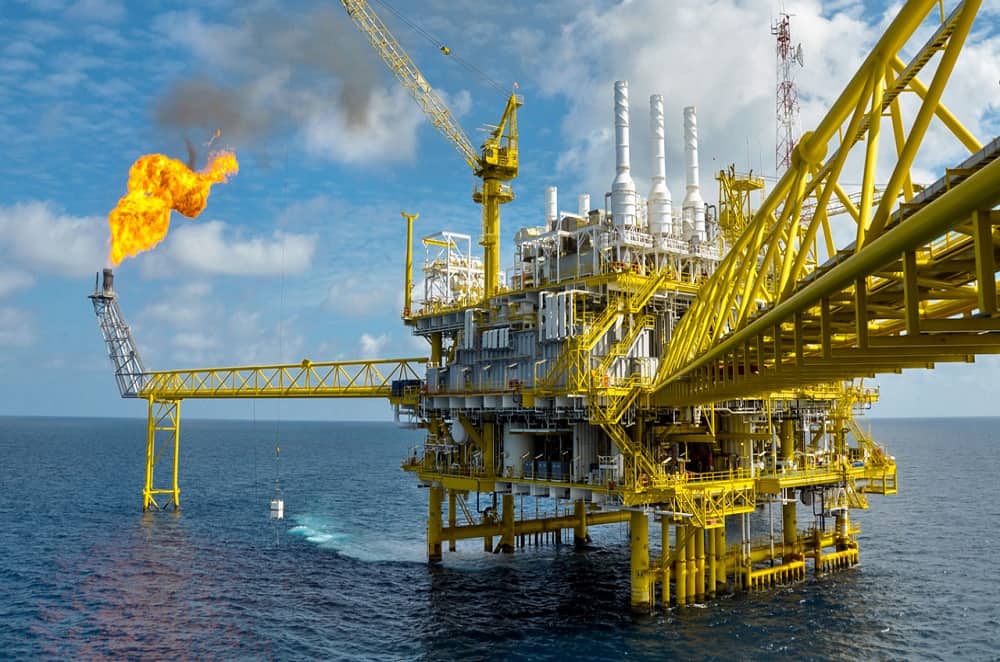
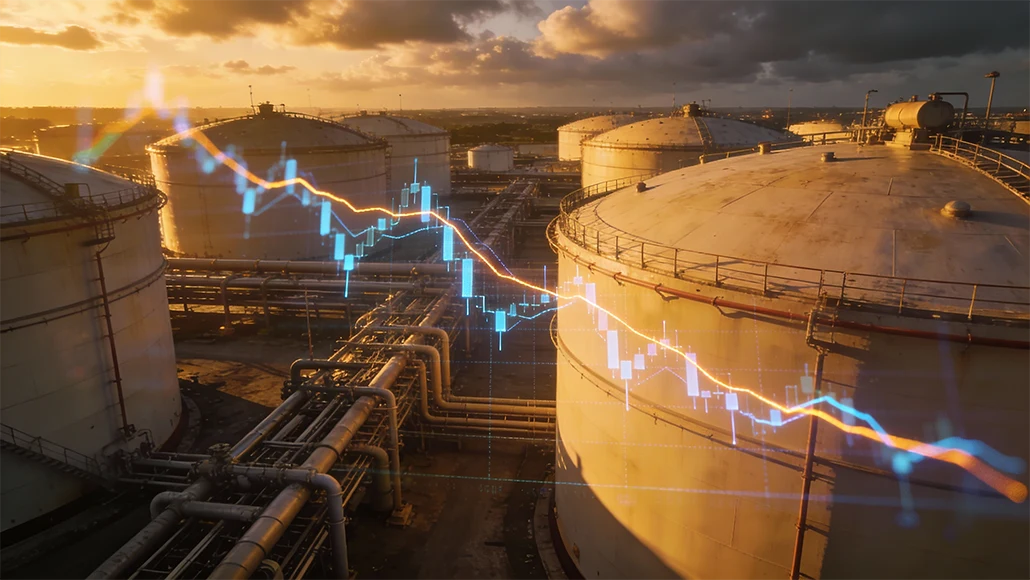
The global energy landscape is undergoing a significant transition, with natural gas emerging as a pivotal “bridge fuel” that balances the immediate need for reliable power with the long-term goal of decarbonization. Central to this shift is the proliferation of gas development projects aimed at unlocking vast reserves located beneath the ocean floor. These initiatives are not only essential for meeting the rising demand for electricity and industrial feedstock but are also fundamental to ensuring regional and global energy security. As traditional onshore reserves mature, the industry is increasingly looking toward offshore gas fields, leveraging advanced engineering and maritime technology to expand the available offshore gas supply and support the growth of a cleaner global energy mix.
The expansion of offshore gas development projects is driven by a unique set of economic and environmental imperatives. Natural gas produces significantly lower carbon emissions than coal when used for power generation, making it a preferred choice for nations looking to meet their climate targets without sacrificing economic growth. Furthermore, the flexibility of gas-fired power plants allows them to complement the intermittent nature of renewable sources like wind and solar, providing the necessary “baseload” stability that modern grids require. In this context, the development of offshore gas infrastructure is a strategic investment in a more resilient and sustainable energy future.
Supporting Global Energy Security through Offshore Gas Supply
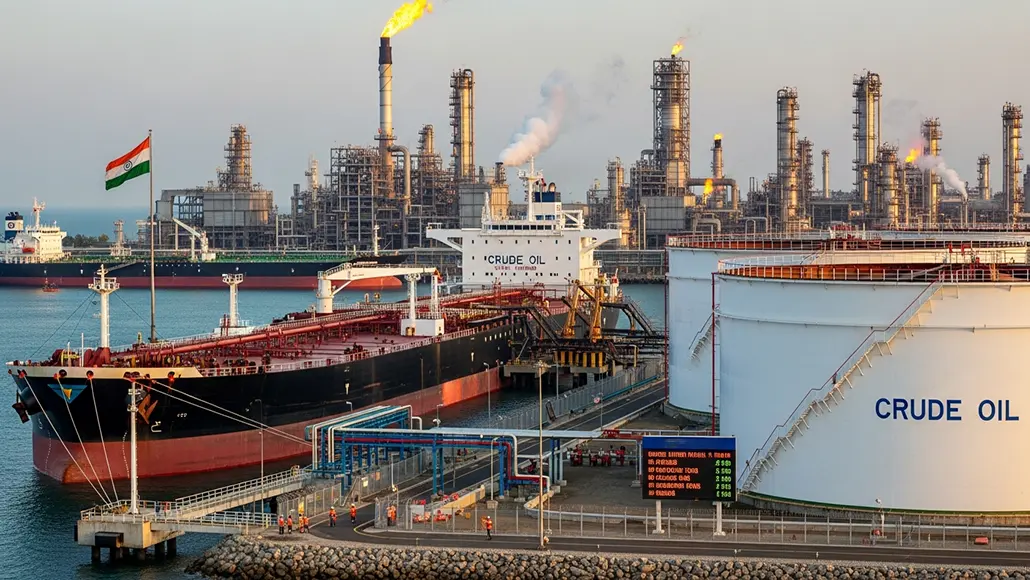
Energy security has become a paramount concern for governments worldwide, as geopolitical tensions and supply chain disruptions highlight the vulnerabilities of modern energy systems. The development of domestic or regional offshore gas supply sources provides a vital buffer against these risks, reducing reliance on long-distance imports and volatile global markets. By developing local offshore gas fields, nations can gain greater control over their energy destiny, ensuring a stable supply of fuel for their citizens and industries. This is particularly critical in regions like Southeast Asia and the Mediterranean, where new offshore discoveries have the potential to transform the economic and political landscape.
The strategic importance of gas development projects extends beyond mere volume; it is also about the diversity of supply. The ability to source gas from multiple geographically dispersed offshore projects reduces the impact of a single point of failure in the global supply chain. Furthermore, the development of regional gas hubs, where offshore supply is integrated with cross-border pipeline networks and storage facilities, enhances the overall resilience of the energy market. As more offshore gas development projects come online, the global gas market is becoming more integrated and transparent, providing the price stability and supply certainty required for long-term industrial investment.
The Expansion of LNG Offshore Projects and Global Trade
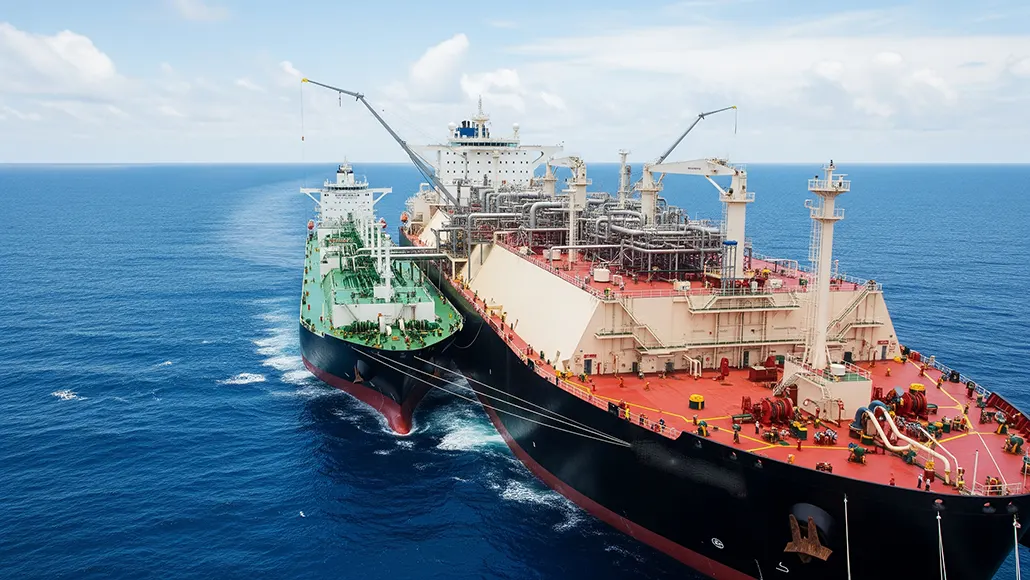
One of the most transformative trends in the gas industry is the rapid expansion of LNG offshore projects. Liquefied Natural Gas (LNG) allows for the transport of natural gas over vast distances without the need for fixed pipelines, effectively turning a regional commodity into a global one. Offshore gas development projects are increasingly being linked to liquefaction facilities, including innovative Floating LNG (FLNG) units that can be deployed directly over offshore gas fields. This technology allows for the commercialization of remote or “stranded” gas reserves that would be too expensive to develop using traditional subsea pipelines, further expanding the global offshore gas supply.
The rise of LNG offshore projects is also fostering a more flexible and competitive global market. The ability to ship gas to any destination with a regasification terminal means that supply can be redirected in response to price signals or emergency shortages. This “virtual pipeline” is a key component of modern energy security, providing a lifeline to nations that lack significant domestic reserves. As the global LNG fleet continues to grow and more offshore liquefaction capacity comes online, the trade in natural gas is set to become even more dynamic, driving innovation and cost efficiency across the entire value chain.
Technical Frontiers in Natural Gas Development
The technical challenges associated with natural gas development in the offshore environment are substantial, requiring continuous innovation in subsea engineering and maritime logistics. Modern gas development projects often involve drilling in ultra-deep water and handling high-pressure, high-temperature (HPHT) reservoirs. This requires the use of specialized materials and equipment that can withstand extreme conditions for decades. For instance, the development of high-capacity subsea compressors and pumps allows for the efficient transport of gas over hundreds of kilometers, enabling the tie-back of remote offshore gas fields to existing production hubs or coastal facilities.
Furthermore, the industry is increasingly focused on the “purity” of the gas being produced. Many new offshore gas fields contain high levels of carbon dioxide or other impurities that must be removed before the gas can be sold. This has led to the development of sophisticated subsea and topside processing technologies that can separate and sequester these impurities, often reinjecting the CO2 back into depleted reservoirs. This integration of gas production with carbon management is a critical aspect of modern natural gas development, ensuring that the offshore gas supply remains a sustainable component of the energy transition.
The Socio-Economic Impact of Offshore Gas Fields
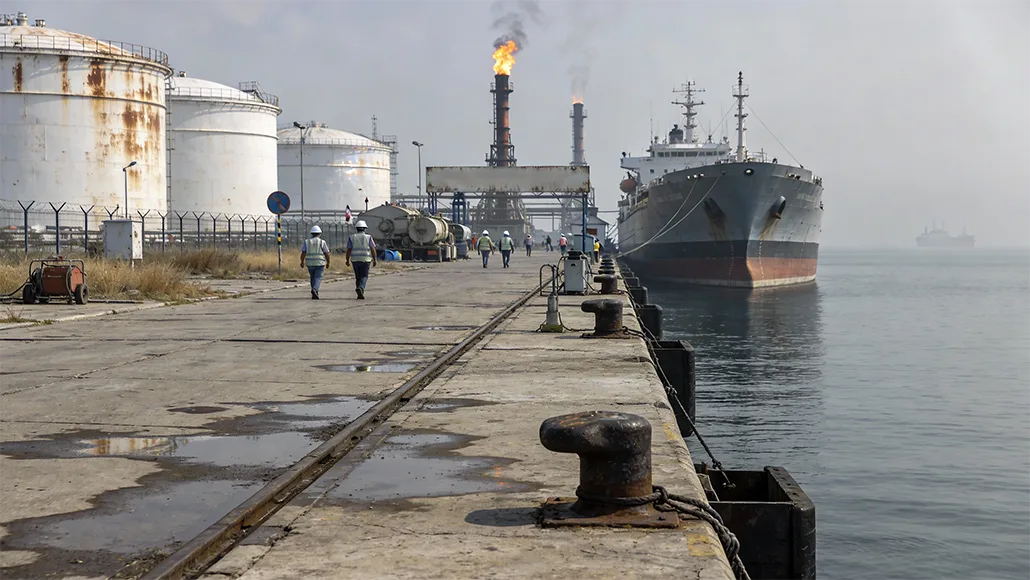
The development of offshore gas fields brings significant socio-economic benefits to coastal communities and national economies. These projects create thousands of high-skilled jobs in engineering, construction, and maritime services, while the revenue generated from gas sales provides a vital source of funding for public infrastructure and social programs. In many emerging markets, the development of a domestic offshore gas supply is a catalyst for broader industrialization, providing the affordable and reliable energy needed to power factories, desalination plants, and commercial centers.
However, the development of offshore gas development projects must be managed with a focus on environmental stewardship and social responsibility. This involves rigorous environmental impact assessments, transparent consultation with local stakeholders, and the implementation of best-in-class safety standards. By ensuring that the benefits of gas development are shared broadly and that the environmental risks are minimized, the industry can maintain its “social license to operate” and contribute to the sustainable development of the regions in which it operates. The move toward a more inclusive and transparent energy sector is a hallmark of modern natural gas development.
The Future of Gas in a Decarbonizing World
As the world moves toward a net-zero future, the role of natural gas is being re-evaluated. While gas will remain a vital transition fuel for decades, the industry is already looking ahead to the next generation of gas development projects. This includes the integration of gas production with blue hydrogen projects, where natural gas is converted into hydrogen and the resulting CO2 is captured and stored. This allows the industry to leverage its vast offshore gas supply and expertise in carbon management to produce a zero-emission fuel source that can power heavy industry and transport.
Additionally, the development of “renewable gas” such as biomethane or synthetic gas produced from green hydrogen is gaining traction. While still in the early stages, these technologies offer a way to utilize existing gas infrastructure while moving away from fossil fuel extraction. The versatility of the gas sector ensures that it will remain a central pillar of the global energy system, regardless of the primary energy source. The focus on innovation, efficiency, and sustainability that defines gas development projects today will be the foundation for the energy systems of tomorrow.
Conclusion: Securing a Resilient Energy Future
The expansion of gas development projects represents a critical investment in the stability and sustainability of the global energy system. By unlocking new offshore gas fields, expanding the reach of LNG offshore projects, and prioritizing energy security, the industry is providing the world with the clean and reliable fuel it needs to navigate the energy transition. This journey is marked by immense technical and economic challenges, but the potential rewards in terms of economic growth, environmental preservation, and regional stability are far-reaching.
As the industry continues to evolve, the focus must remain on the relentless pursuit of technological excellence and environmental stewardship. The strategies developed today in natural gas development will shape the global energy landscape for generations, ensuring that the transition to a lower-carbon future is both secure and equitable. The offshore gas supply is more than just a commodity; it is a vital engine of progress, powering the world’s ambitions while protecting the planet for the future. Through collaboration and innovation, the gas sector will continue to lead the way in creating a more resilient and sustainable energy future for all.
