



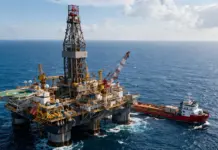



A new report from the Deloitte Center for Energy Solutions finds that for the oil and gas industry, deriving economic value from investments in IoT technologies is not a foregone conclusion, especially as newly opened sources of supply have driven down oil prices.
The report offers specific guidance for upstream (exploration and production), midstream (transportation and storage) and downstream (refiners, retailer) players. Across this entire chain, the report concludes that IoT technologies can be employed toward “improving reliability, optimizing operations, and creating new value.” But segment-specific hurdles are in some cases limiting those outcomes.
Upstream players are plagued not by a lack of data—tens of thousands of sensors are generating 1.5 terabytes of data per day, according to a 2014 report from the 21st World Petroleum Congress—but by the complexity of making sense of it, “in large part due to a lack of open standards that is limiting the flow of data at the aggregate stage and thus analysis,” the Deloitte says.
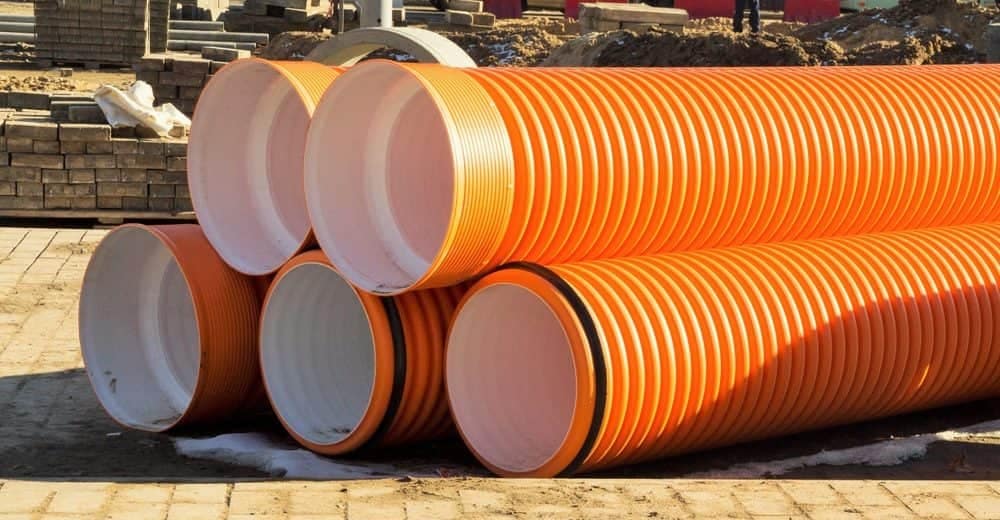
Companies that operate pipelines will reap limited value from deploying basic temperature, pressure or vibration sensors to ensure the integrity and safety of their oil transportation networks, Deloitte asserts. Instead, they need more advanced devices. Says the report: “TransCanada and Enbridge are testing four technologies that essentially see, feel, smell, and hear various aspects of their oil pipelines:
vapor-sensing tubes that ‘see’ bitumen spilled by shooting air down a tube; a fiber-optic distributed temperature sensing system that ‘feels’ fluctuations in temperature caused by bitumen leaking into ambient soil; hydrocarbon sensing cables that send electric signals to ‘smell’ hydrocarbons; and a fiber-optic distributed acoustic sensing system that ‘hears’ sound variations and can indicate a pipeline leak.”
The authors note that refiners are beginning to leverage the power of standardized sensor networks, paired with analytics software, to shift from “time-based preventive planning to condition-based predictive maintenance strategies.” Meanwhile, the report suggests that fuel retailers seek to work with automakers that are deploying systems that guide drivers to those retailers, based on GPS and other connected-car technologies.