




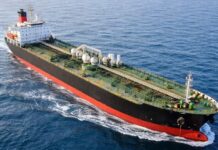









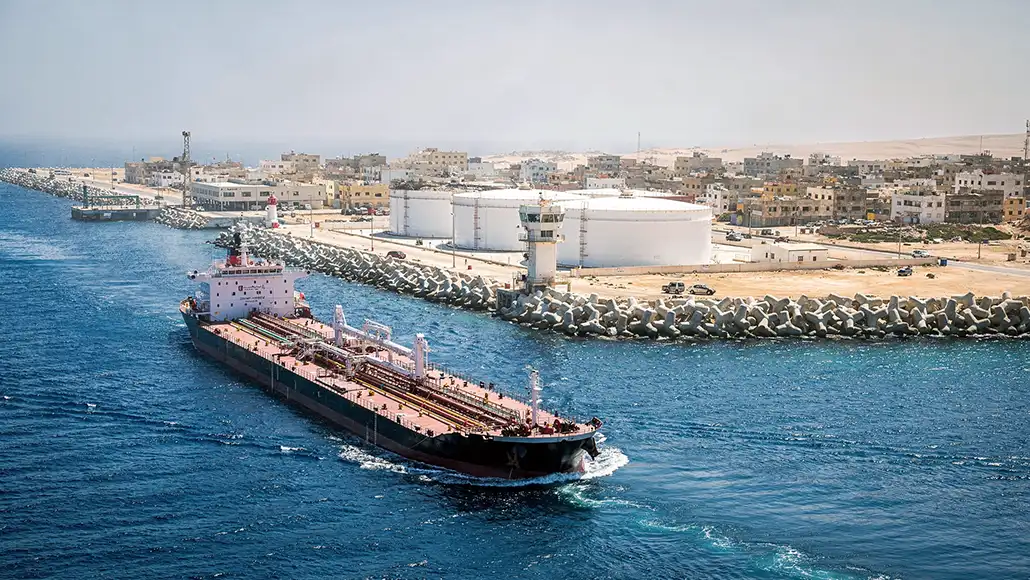
Vitol, Trafigura as well as TotalEnergies – the Global oil firms and traders have won tenders to go ahead and supply gasoline and diesel to Libya as the country grants large Western players broader access and decreases Russian fuel imports, three trading sources confirmed to Reuters.
Apparently, Libya is in the process of a complete overhaul of its oil sector after a gap of 15 years since the fall of its leader Muammar Gaddafi and subsequently years of civil wars. Libya produces around 1.4 million barrels per day of crude; however, there is a dearth of infrastructure to refine it, hence leaving it completely dependent on fuel imports.
Post issuing upstream licensing rounds, for the very first time after a gap of 20 years, to grow its crude output to 2 million bpd, the second-largest oil producer in Africa is now altering the way it sells its oil and also buys the fuel that it needs.
Instead of swapping fuel imports for crude exports, it has rather awarded tenders in order to cover its fuel needs and it will be the western firms that would supply gasoline and diesel to Libya.
As per the tenders in recent weeks, which haven’t been reported before, Vitol got the rights to supply 5-10 gasoline cargoes per month along with some diesel volumes, three traders who happened to be familiar with the outcomes said.
Trafigura, along with TotalEnergies, also won the right to supply fuel, although exact volumes could not be established by Reuters.
The state-owned National Oil Corporation of Libya also went on to award fuel tenders to OMV, the Austrian oil and gas firm, BGN, the Swiss-based trader and also the Italian oil refinery Iplom, one of the NOC sources confirmed.
Russian Imports Seeing a Dip
The fact is that the tenders are going to further decrease the Russian product imports into Libya since the Western firms are sourcing their volumes from the refineries located in the Mediterranean.
It is well to be noted that the Russian fuel exports to Libya have decreased to almost 5,000 bpd in 2026 from the erstwhile 56,000 bpd in 2024–2025. That was the time, when it was the dominant supplier, states the live data from Kpler, the global analytics firm.
Notably, Italy has gone on to become a top fuel supplier of Libya in 2026 with 59,000 bpd, mainly contributed by the ISAB and Sarroch refineries, which are run by Trafigura and Vitol, confirmed the Kpler data.
Interestingly, Moscow has depended pretty heavily on Africa and Asia, as well as South America, for its fuel sales post its refined products witnessing a ban from the West due to the sanctions that were linked to the Ukraine war.
The Kremlin, as a matter of fact, has also seen its oil exports to India as well as Turkey see a decline because of U.S. pressure, thereby pushing more oil towards China.
Put together, fuel exports into Libya from all sources have gone on to average almost 186,000 bpd since the beginning of 2024.
Firms also get access to crude exports
It is believed that Libya is also going to change the way it takes care of crude exports, said the sources.
BGN from Switzerland, which was previously a key exporter, is going to see crude liftings fall sharply; all three traders have confirmed since the big Western players are going to get the rights to export.
Transmed Trading, which is a small Swiss-based trader, also picked up many crude cargoes in January 2026 and, as a matter of fact, will keep lifting volumes in the months to come.
Individual contracts and specific volumes are yet to be finalized by NOC, said the sources.
In addition to this, Libya has also inked a 25-year-old development deal with ConocoPhillips and TotalEnergies in January 2026, which involved over $20 billion when it comes to foreign-financed investment.
