






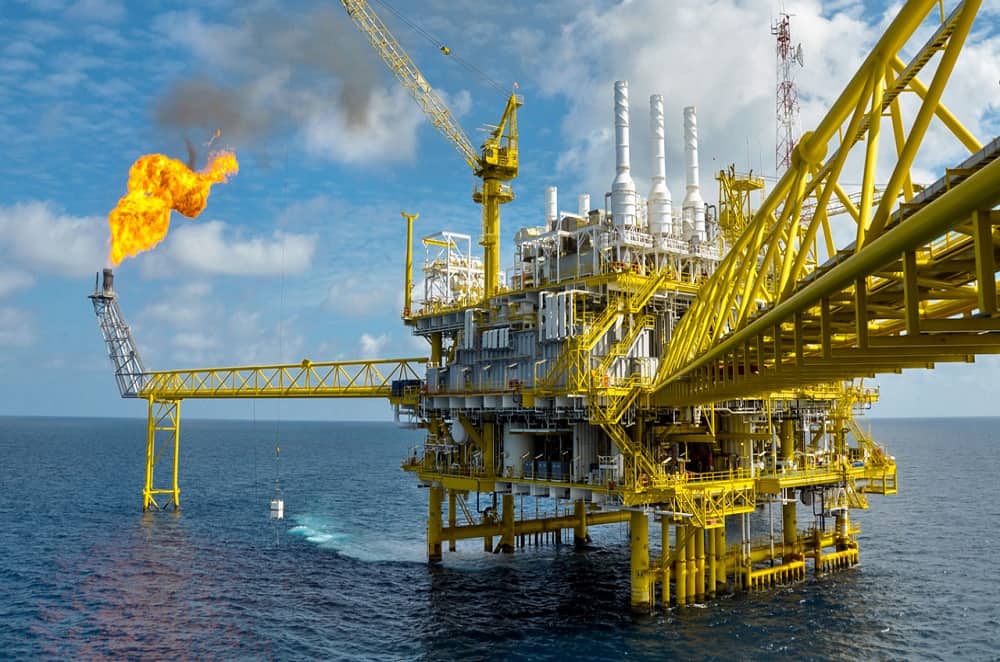




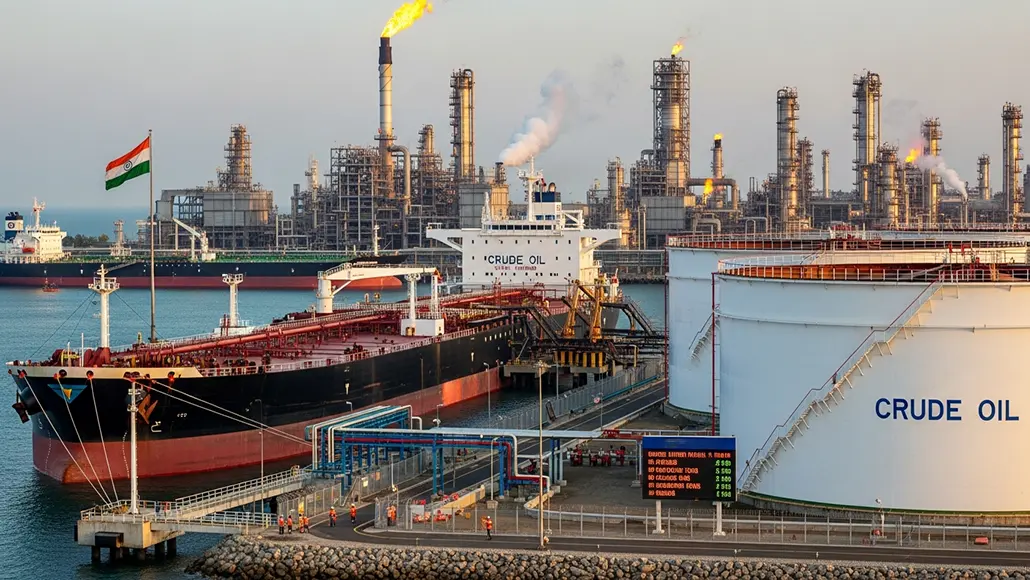
The crude oil production in Nigeria dropped in December 2025 from November 2025 as the top producer in Africa consistently struggled to operate on its full OPEC+ output quota due to operational challenges when it comes to its upstream sector.
Apparently, the crude oil production of Nigeria dropped to 1.422 million barrels per day (bpd) in December 2025, which was less than the 1.436 million bpd in November 2025, as per figures that were reported by the relevant authorities of the country to OPEC and which were included in the latest Monthly Oil Market Report – MOMR from OPEC.
By its own admission, Nigeria fell short of producing its 1.5 million bpd quota which is the full OPEC+ output allocation under the agreements. This, by the way, happened for the fifth consecutive month.
However, on the other hand, the secondary sources of OPEC have higher estimates, and as per them, the crude oil production in Nigeria grew from 1.491 million bpd in November 2025 to 1.5 million bpd in December 2025, which is indeed a stark contrast from what the report says.
NNPC, the state-owned oil and gas company, went on to report a crude oil and condensate production of 1.6 million bpd for November 2025, which was up by 1.3% from October 2025 levels.
It is well to be noted that NNPC goes on to include condensate when it comes to its output figures; however, on the other hand, OPEC does not, and the quotas also exclude the production of condensates.
Looking ahead, NNPC looks to “intensify collaboration with our partners through year-end and into 2026 to ensure improved production performance, maximize infrastructure uptime, and maintain high facility maintenance standards across all our assets.”
NNPC is also seeking to raise its oil production to 2 million bpd over the next couple of years. This was confirmed by Udy Ntia, NNPC’s executive vice president for upstream, in November 2025.
By the end of this decade, NNPC is likely to be pumping 3 million barrels per day, said the official.
Nigeria has been pumping more crude and drilling more new wells than ever before, supported by reforms under President Bola Tinubu, that are bringing more investment into the country’s upstream industry. The everyday output of crude and condensate has surged to between 1.7 million and 1.83 million barrels, whereas the active rigs saw a rise from 31 in January 2025 to 50 by July 2025.
