




















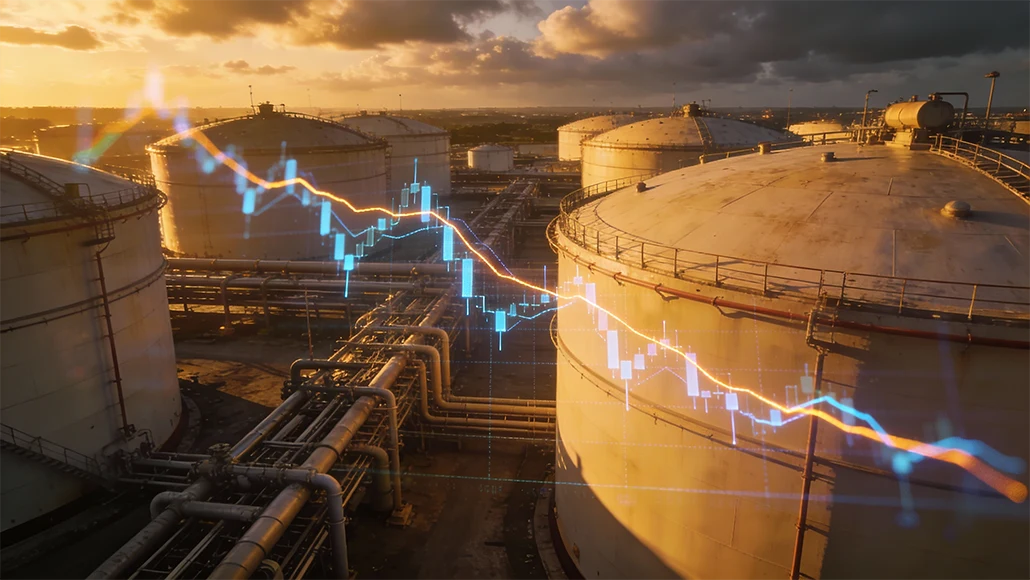
Increasing production of crude oil in the Permian Basin in western Texas, and parts of New Mexico, has outpaced pipeline infrastructure to move the crude to refineries, causing prices for crude in the Permian Basin (at Midland, Texas) to fall below similar crudes priced at Cushing, Oklahoma. While the price difference between Midland and Cushing has been increasing for almost a year, recent refinery outages in the region caused it to widen substantially. Several infrastructure projects that will allow more crude to flow from the Permian to the U.S. Gulf Coast are expected to come online soon, which should cause this price difference to narrow.
The latest U.S. Energy Information Administration Drilling Productivity Report (DPR) estimates that August Permian Basin oil production will be almost 1.7 million barrels per day (bbl/d), 0.3 million bbl/d more than a year ago. With increased production, any loss of refinery demand can increase downward pressure on crude oil prices in Midland. A series of recent outages at refineries located in or near the Permian, and along the U.S. Gulf Coast caused the West Texas Intermediate (WTI) price at Midland to fall $17.50 per barrel below the price at Cushing, a record difference. The previous record was set in late 2012 at a time when production also exceeded pipeline takeaway capacity. In 2013, the price gap closed when Magellan Midstream Partners reversed and repurposed part of its Longhorn Pipeline to move crude from the Permian to Houston. Previously, this pipeline had moved refined petroleum products from Houston, Texas to El Paso, Texas.
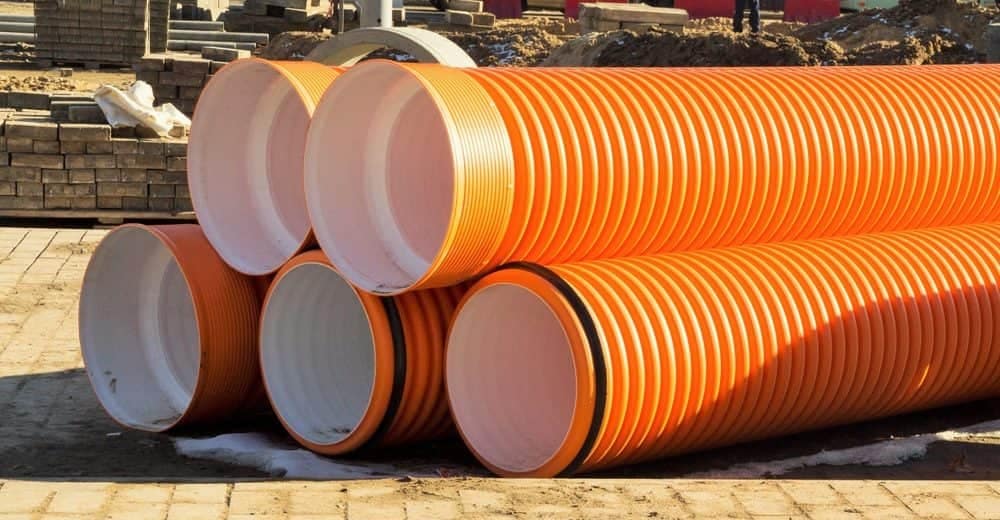
In addition to the 225,000-bbl/d Longhorn Pipeline, the first expansions on the Sunoco Logistics Partners Permian Express pipelines and other portions of Sunoco’s pipeline system also came online in 2013. However, the increase in crude oil production has now outgrown these expansions, and additional pipeline expansions are under construction. Magellan’s 300,000-bbl/d BridgeTex Pipeline, which will move crude from west Texas to refining centers in Houston, Texas City, and Galveston, is expected to begin operating soon. Beginning in early 2015, the Cactus Pipeline, with an expected capacity of 200,000 bbl/d, will move Permian crude south to connect with an expanded Eagle Ford Pipeline that will deliver crude to Corpus Christi, Texas